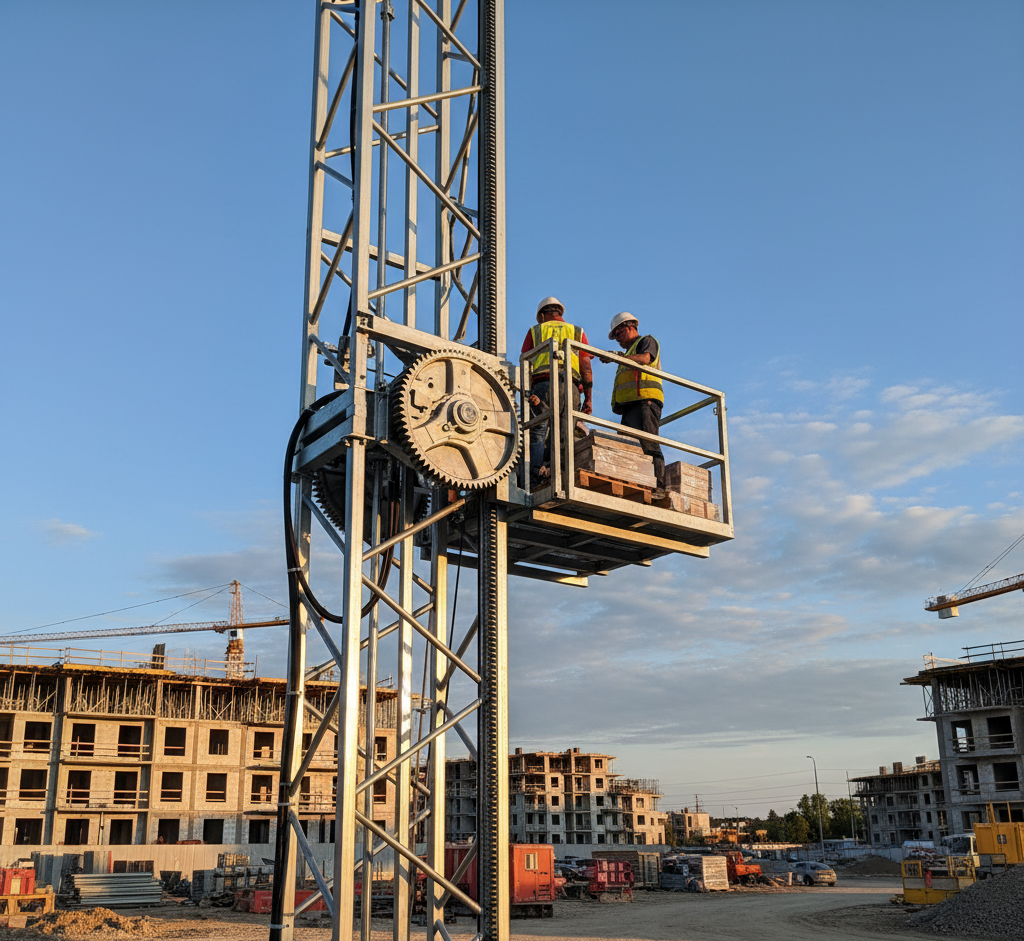
Construction delays rarely begin with visible failures. They often start with small inefficiencies in how materials and crews move vertically. When a hoist elevator strategy is not properly planned, these inefficiencies quickly grow into serious bottlenecks that affect productivity, safety, and timelines. What seems manageable in early stages can rapidly escalate as site activity intensifies.
Thank you for reading this post, don't forget to subscribe!As projects move into peak construction phases, demand for vertical access increases sharply. Without a well-structured plan, construction hoists struggle to keep up with material flow and workforce movement. This creates congestion, delays, and operational pressure that can push projects dangerously close to shutdown.
People Also Ask
What are the common signs of an ineffective hoist elevator strategy?
Common signs include long wait times, material delivery delays, site congestion, and reduced workforce productivity. These issues indicate that construction hoists are not aligned with project demand.
How can construction hoists improve project timelines?
Properly planned construction hoists ensure efficient material movement and workforce access. This reduces delays, improves coordination, and supports consistent progress across all project phases.
Why Vertical Access Is Critical to Construction Site Performance
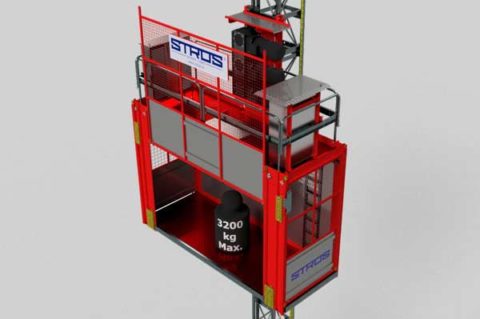
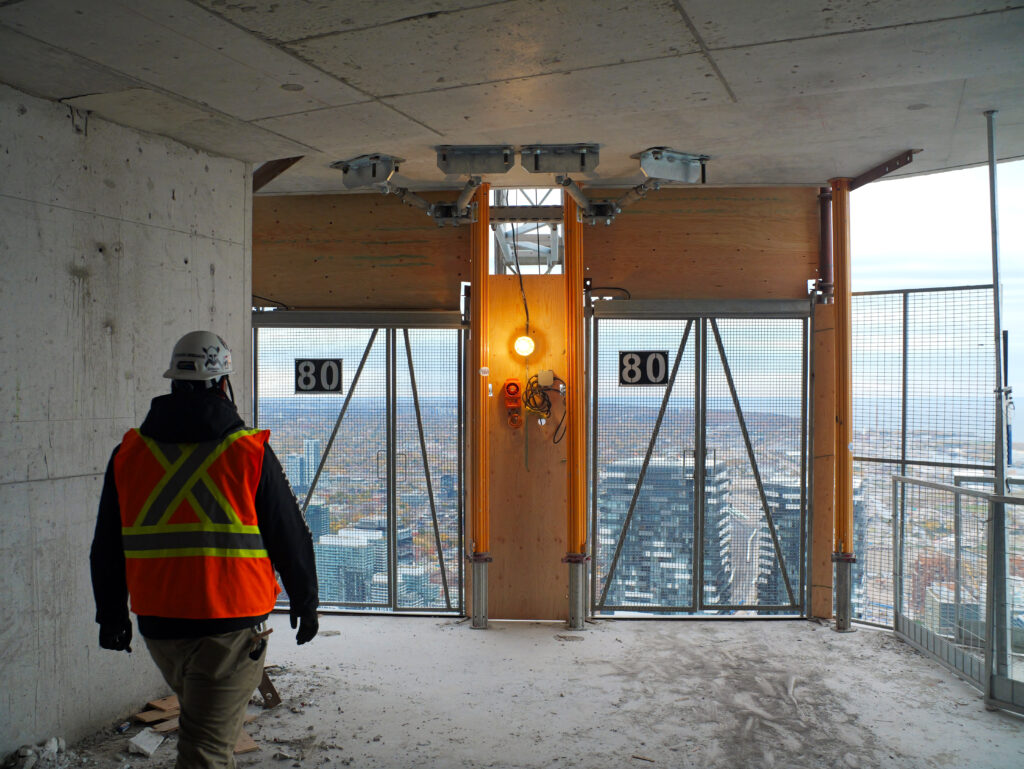
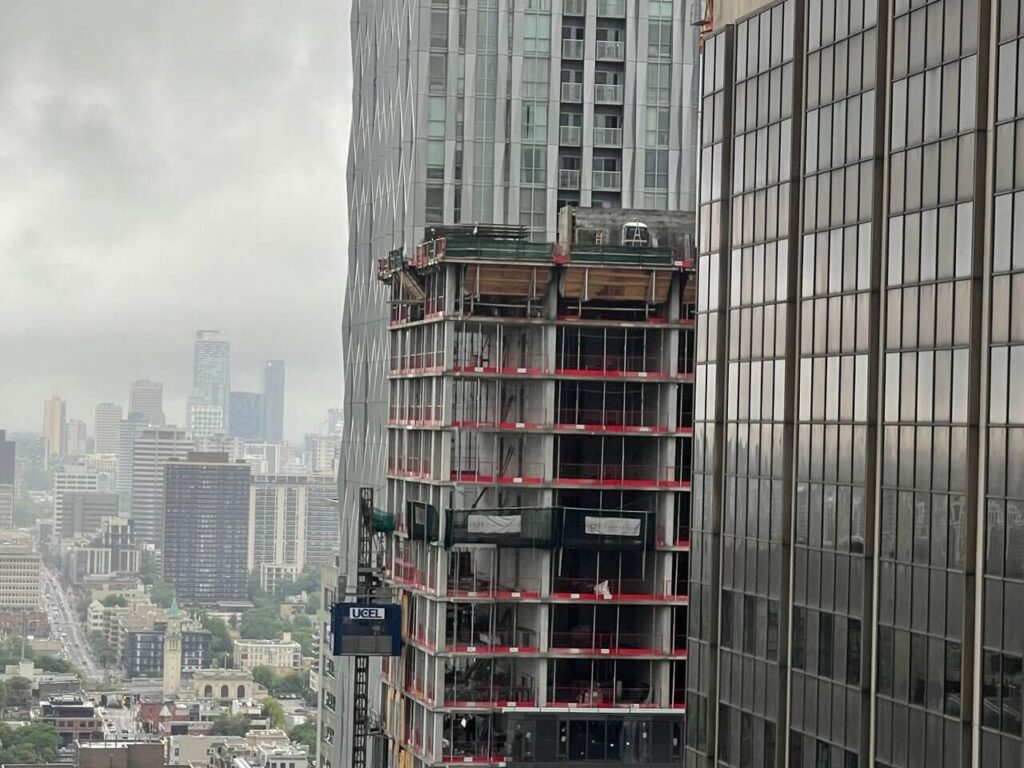
Vertical access is one of the most important factors in construction efficiency. Every material delivery and workforce movement depends on reliable lifting systems. Construction hoists serve as the backbone of site logistics, enabling continuous workflow across multiple levels.
When vertical access systems underperform, productivity declines immediately. Crews are forced to wait, materials are delayed, and coordination between trades weakens. These issues do not remain isolated. They spread across the site, affecting every phase of construction.
How Poor Hoist Elevator Planning Leads to Access Bottlenecks
A poorly planned hoist elevator strategy creates immediate bottlenecks. Insufficient capacity, improper placement, or lack of redundancy can limit access to upper levels. As demand increases, queues begin to form at loading points, slowing down operations.
Without proper planning, construction hoists cannot handle peak workloads. This results in delays that compound throughout the project. Once bottlenecks are established, resolving them requires additional resources and time, often impacting critical deadlines.
Impact on Material Flow, Workforce Movement, and Trade Coordination
Efficient material flow is essential for maintaining progress. When construction hoists cannot deliver materials on time, crews experience downtime and productivity drops. Workforce movement is also affected, with delays in accessing work areas leading to missed schedules.
Trade coordination becomes increasingly difficult under these conditions. Different teams depend on timely access to materials and space. A flawed hoist elevator strategy disrupts this coordination, causing conflicts and inefficiencies across the site.
Safety Risks and Site Congestion Caused by Inefficient Vertical Access
Safety risks increase significantly when vertical access systems are inadequate. Overloaded construction hoists or crowded access points create hazardous conditions. Workers may attempt to bypass proper procedures to save time, increasing the likelihood of accidents.
Site congestion further compounds these risks. Limited access points lead to overcrowding, making it difficult to manage movement safely. A well-planned hoist elevator system reduces these risks by ensuring controlled and efficient transport.
How Inadequate Capacity and Placement Affect Project Timelines
Capacity and placement are critical elements of any vertical access strategy. A hoist elevator that cannot handle the required loads forces multiple trips, slowing down operations. Poor placement increases travel time and reduces efficiency.
These limitations directly affect project timelines. Delays in material delivery and workforce movement accumulate over time, pushing schedules beyond planned deadlines. Once timelines begin to slip, recovery becomes challenging and costly.
Building an Effective Hoist Elevator Strategy for High-Rise Projects
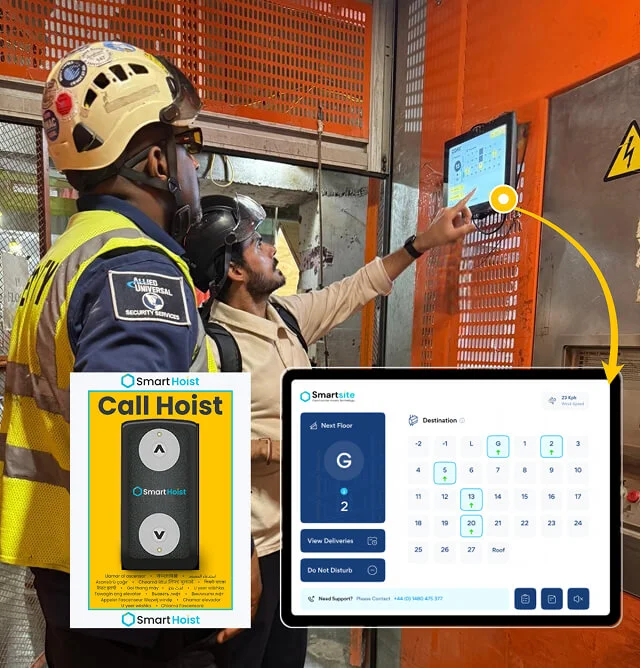
An effective strategy begins with careful evaluation of project requirements. Construction hoists must be selected based on capacity, height, and expected workload. Proper placement ensures efficient access across all levels.
Redundancy should also be considered to prevent disruptions in case of equipment failure. Maintenance planning and support services are essential for maintaining performance throughout the project lifecycle. A well-designed hoist elevator strategy ensures consistent operation, reduces risk, and supports long-term project success.
Strategic Hoist Planning Is Essential for Reliable Site Operations
Vertical access failures are not random events. They result from planning gaps that become visible under pressure. Delays, safety risks, and operational disruptions often originate from an inadequate hoist strategy. UCEL Inc. provides engineered solutions designed to meet the demands of complex construction environments, ensuring reliable performance from start to finish.
Avoid reaching a point where delays become unavoidable and costly. Partner with UCEL Inc. to implement a strategic solution that enhances efficiency, safety, and consistency in workflow with the right man hoist system.