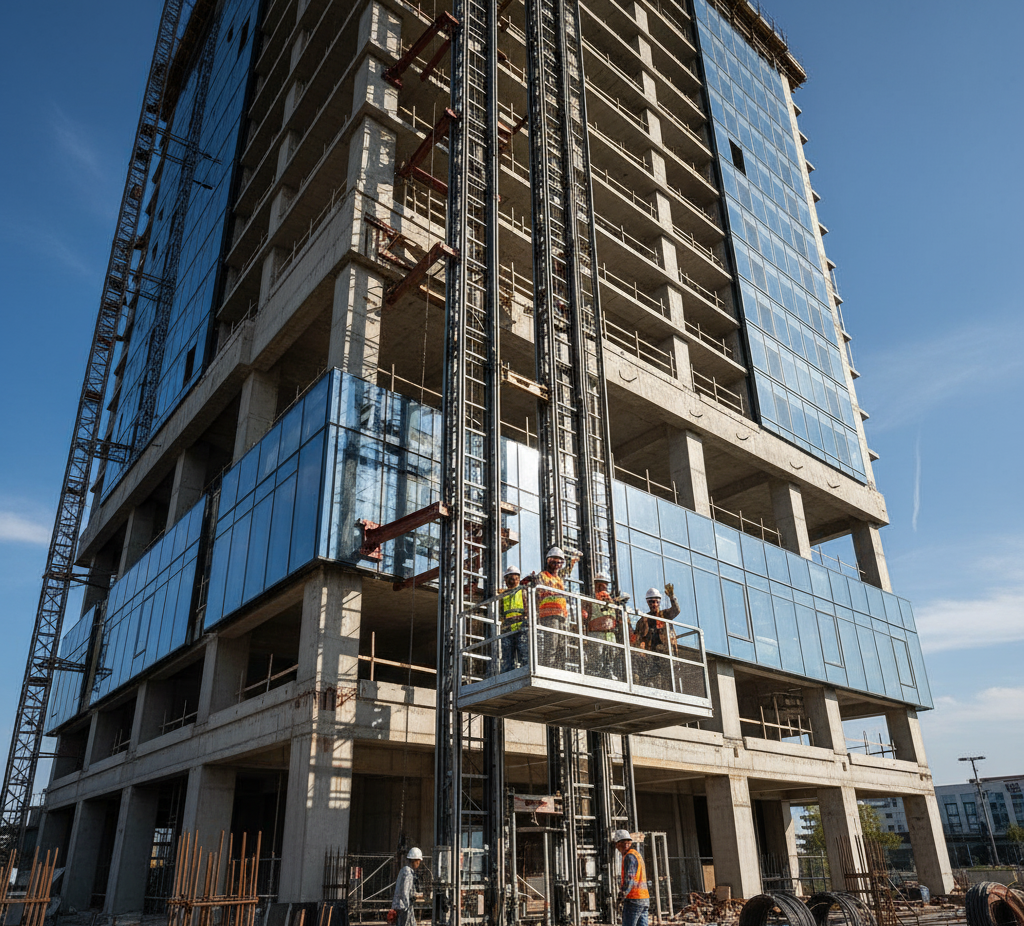
Operational pressure often peaks when facilities need maximum throughput. During these periods, lifting systems face their greatest test. When industrial lifts are pushed beyond their intended capacity or performance limits, the risk of failure increases sharply, leading to disruptions that can halt operations.
As demand intensifies, hidden weaknesses begin to surface. Systems that perform adequately under normal conditions may struggle under sustained load. This is where the reliability of industrial elevators becomes critical. Without proper design and capacity planning, even short-term overload conditions can trigger failures with immediate consequences.
Why Peak Load Conditions Are a Critical Test for Industrial Lifts
Peak load conditions expose the true performance limits of industrial elevators. High-frequency use, heavier loads, and continuous operation place strain on mechanical and electrical components. Systems not designed for sustained demand may experience reduced efficiency or complete failure during these periods.
Common Causes of Industrial Lift Failure Under High Demand
Several factors contribute to failure in industrial lifts under peak conditions. Overloading, worn components, inadequate maintenance, and outdated control systems are common issues. Poor installation or insufficient structural support can also increase vulnerability during high-demand operations.
Immediate Impact on Operations, Productivity, and Workflow
When industrial elevators fail, operations are disrupted instantly. Material flow stops, production slows, and workflow coordination breaks down. Even short periods of downtime can affect multiple processes, especially in facilities that rely on continuous movement.
Safety Risks and Liability Exposure During Lift Failures
Lift failures introduce serious safety risks. A malfunctioning industrial lift system can lead to falling loads, sudden stops, or uncontrolled movement. These incidents increase liability exposure and may trigger regulatory investigations or work stoppages.
Financial Consequences: Downtime, Repairs, and Operational Disruptions
Failures under peak load conditions result in a significant financial impact. Repair costs, lost productivity, and extended downtime place pressure on budgets. Non-operational industrial elevators can delay entire workflows, increasing operational costs and affecting delivery timelines.
How High-Performance Industrial Elevators Prevent Overload Failures
High-performance industrial elevators are designed to handle sustained demand with built-in safety and monitoring systems. Load control mechanisms, reinforced structural components, and advanced control systems help prevent overload conditions. Regular maintenance and proper system selection also reduce the risk of failure.
Reliable Industrial Lift Systems Are Essential for Continuous Operations
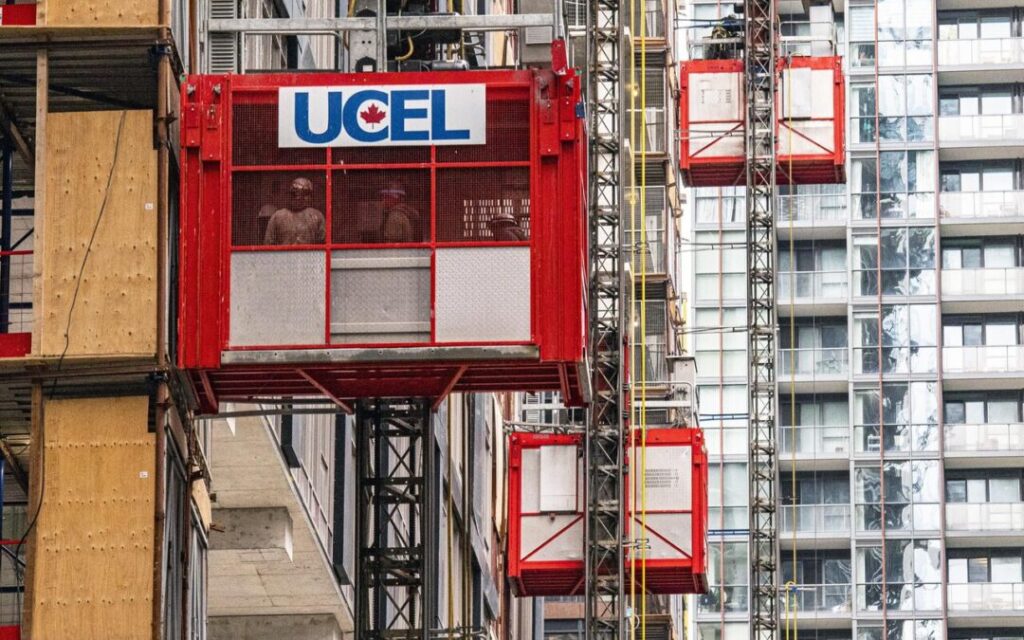
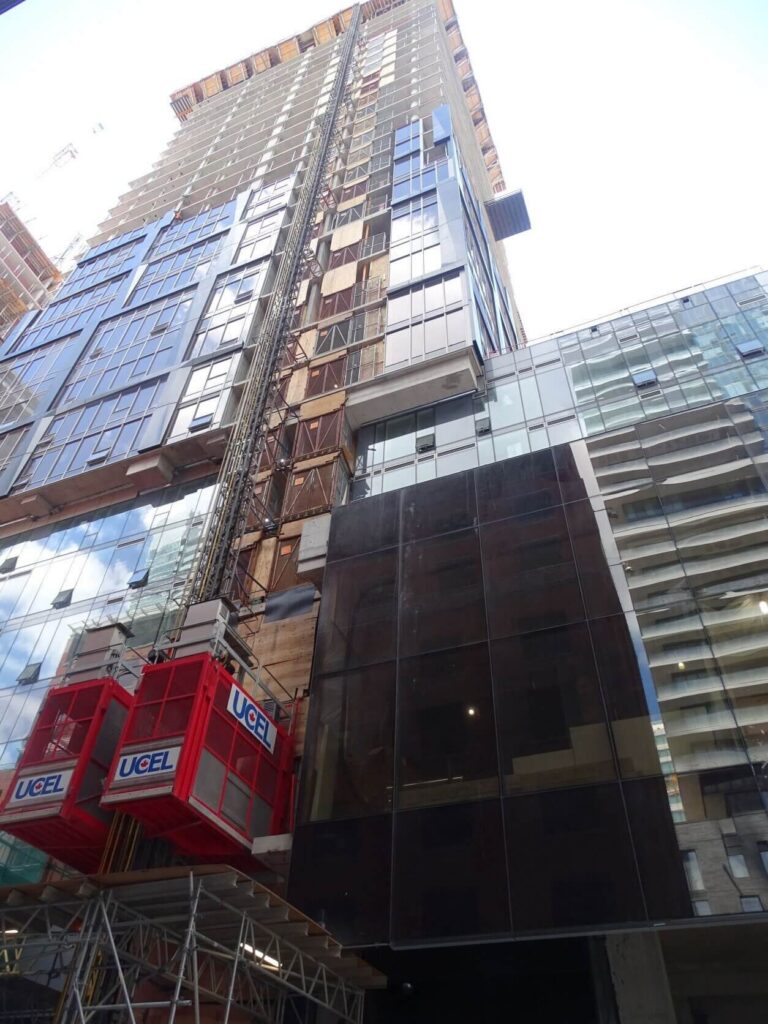
Failures during peak demand are not isolated events. They disrupt operations, increase costs, and create safety concerns that affect the entire facility. UCEL Inc. provides engineered solutions for high-demand environments that maintain consistent performance under load.
Avoid operational breakdowns before they occur. Partner with UCEL Inc. to implement reliable systems that ensure stability, safety, and continuous performance with a dependable industrial elevator lift solution.