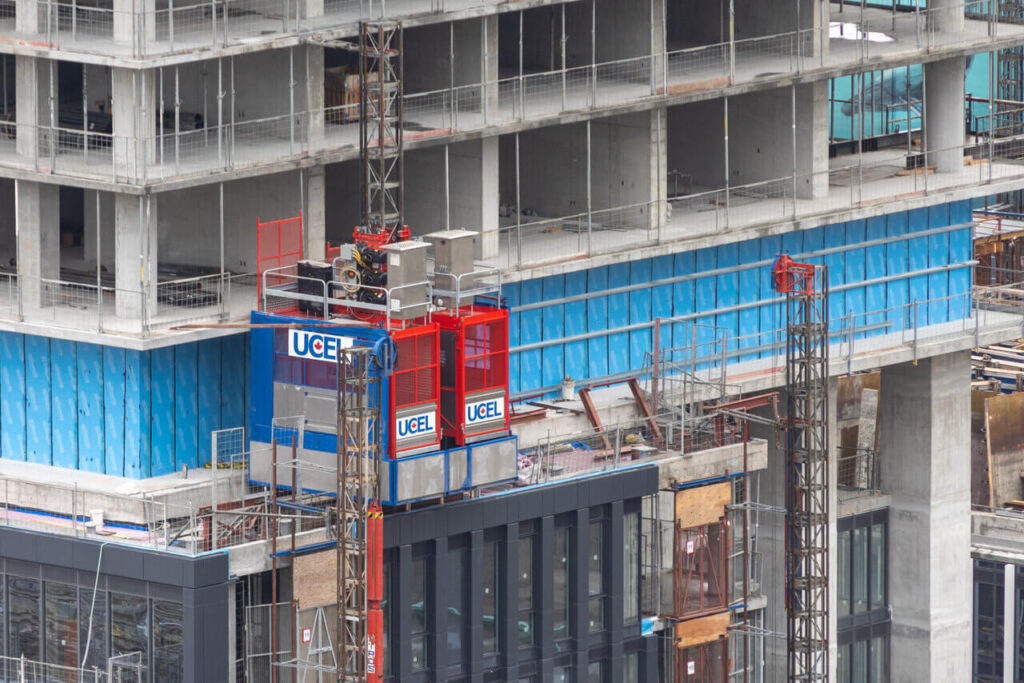
Construction timelines in high-rise projects depend heavily on how efficiently materials move between levels. When vertical transport systems are not properly evaluated before deployment, delays and safety risks begin to surface quickly. Many projects underestimate the critical importance of material hoists until workflow disruptions begin to affect productivity and coordination.
As structural height increases, demand for consistent material movement intensifies. Without proper planning, even a minor mismatch in system capability can trigger serious operational issues. This is where material hoists in construction must be carefully assessed before installation. A lack of evaluation at this stage can create risks that become increasingly difficult to control as the project progresses.
People Also Ask
What risks are associated with installing material hoists without proper evaluation?
Installing material hoists in construction without proper evaluation can lead to delays, safety risks, reduced productivity, and compliance issues. These risks often escalate during peak construction phases when demand is highest.
How can proper planning improve the performance of material hoists in high-rise projects?
Proper planning ensures that material hoists meet load capacity, height, and throughput requirements. It also supports compliance, reliability, and efficient workflow, reducing the risk of delays and operational disruptions.
Why Pre-Deployment Evaluation Is Critical for High-Rise Hoist Performance
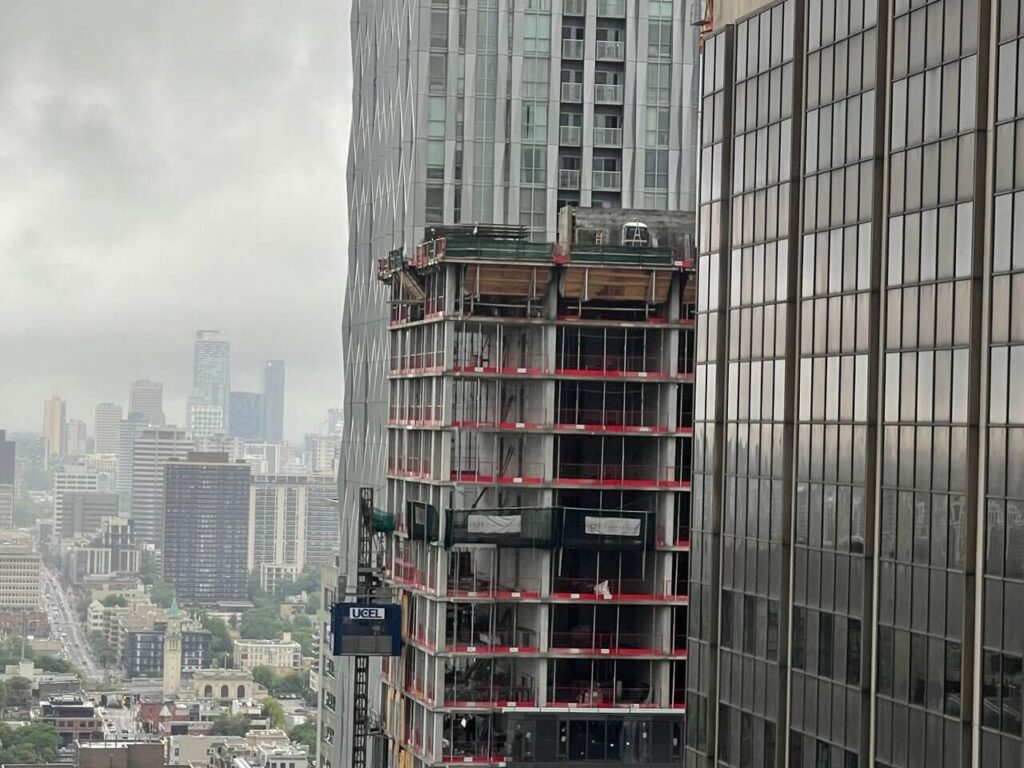
High-rise construction environments require systems that can operate under continuous demand. Pre-deployment evaluation ensures that material hoists in construction are aligned with project scale, building height, and workload intensity. Without this step, hoists may struggle to meet performance expectations during peak activity.
Delays often begin when vertical transport cannot keep up with site requirements. Material queues build up, crews experience idle time, and trade coordination weakens. These challenges are not easily resolved once construction reaches advanced stages. Early evaluation helps prevent bottlenecks before they disrupt the entire project schedule.
Assessing Load Capacity, Height Requirements, and Throughput Needs
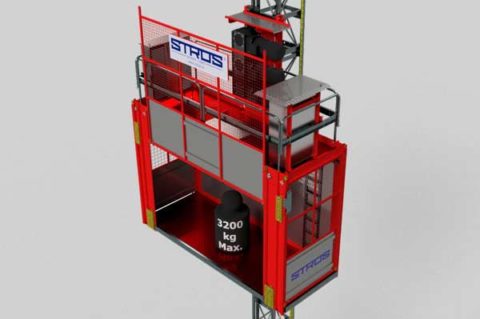
Load capacity is one of the most critical factors in selecting material hoists. Systems must be capable of handling peak loads without compromising speed or safety. Underestimating capacity leads to repeated trips, slower cycles, and reduced productivity.
Height requirements must also be considered carefully. High-rise projects demand hoists that can operate efficiently across increasing vertical distances. Throughput, which refers to how quickly materials can be transported, is equally important. A system with limited throughput creates congestion and delays that affect multiple trades simultaneously.
When capacity, height, and throughput are not aligned with project needs, inefficiencies multiply. These issues often become visible only after structural work accelerates, making correction both costly and time-consuming.
Site Conditions, Structural Tie-Ins, and Installation Constraints
Every construction site presents unique challenges that influence hoist performance. Ground conditions, building design, and available installation space all affect how material hoists in construction function.
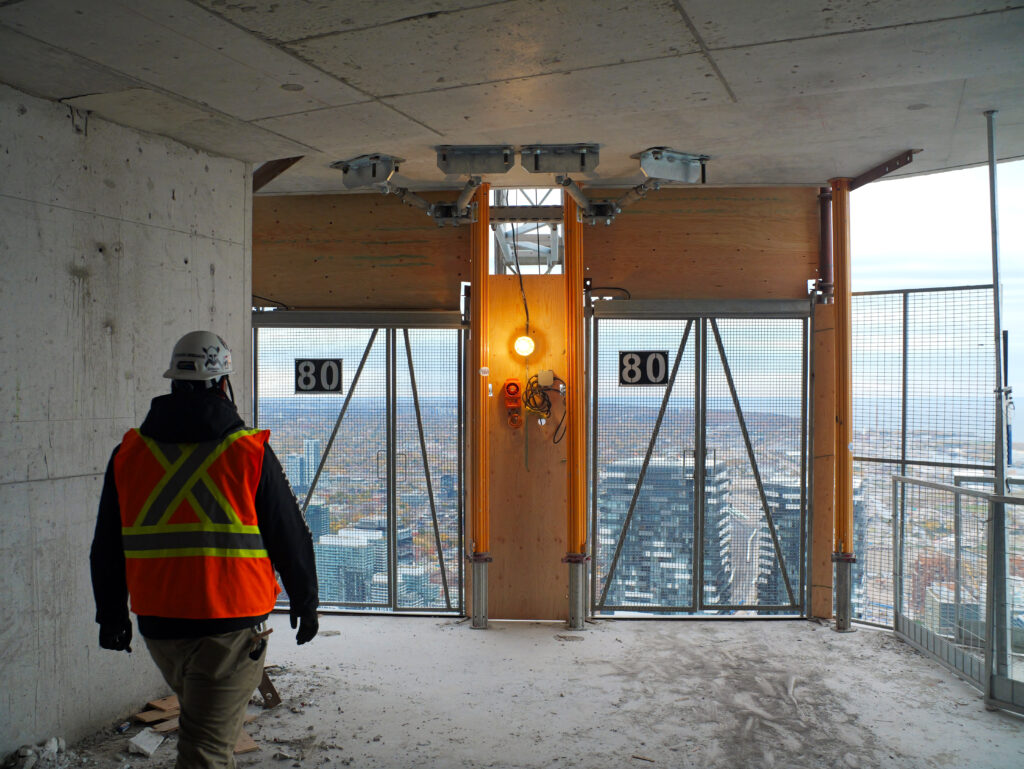
Structural tie-ins are essential for stability, especially in high-rise environments. Improper or insufficient tie-ins can lead to reduced performance and increased safety risks. Installation constraints, such as limited access points or restricted space, can further complicate deployment.
Ignoring these factors during evaluation often results in operational inefficiencies. Once installed, making adjustments becomes complex and may require temporary shutdowns, which can impact project timelines.
Compliance with Safety Standards and Certification Requirements
Regulatory compliance is not optional in high-rise construction. Material hoists must meet strict safety standards and certification requirements in both Canada and the USA. Failure to comply can result in inspections, penalties, or immediate shutdowns.
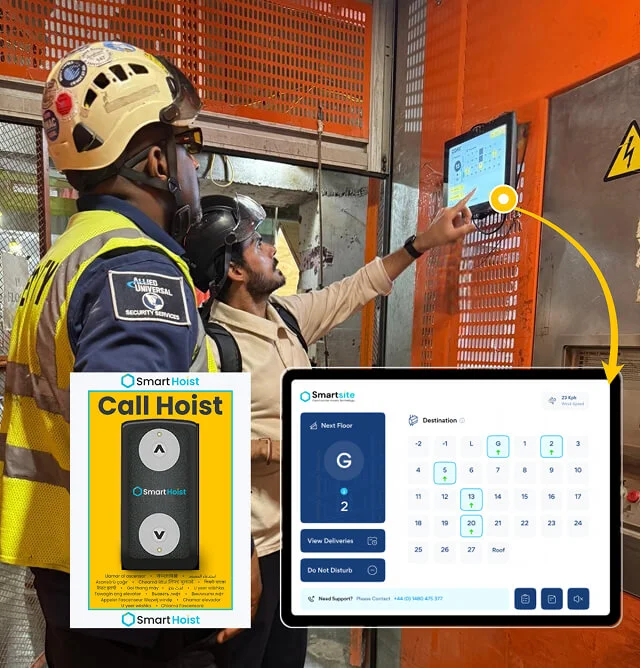
Certified systems undergo rigorous testing to ensure safe operation under demanding conditions. They include safety features such as overload protection, emergency braking systems, and secure access controls. Non-compliant systems lack these safeguards, increasing the risk of accidents and legal exposure.
Delays caused by compliance issues often occur at critical project stages, when timelines are already under pressure. Ensuring certification before deployment reduces the risk of unexpected interruptions.
Equipment Reliability, Duty Cycles, and Performance Under Demand
Reliability is a key factor in maintaining a continuous workflow. Material hoists in construction must be capable of operating under sustained demand without frequent breakdowns. Systems designed for lower duty cycles may fail under high-frequency use.
Equipment performance must be evaluated under peak-demand conditions, not just average usage. Hoists that cannot maintain consistent operation under pressure create downtime that affects the entire project.
Breakdowns during critical phases lead to delays, increased repair costs, and disrupted coordination. Reliable systems ensure that materials move consistently, supporting productivity and keeping schedules on track.
Planning for Installation Timeline, Maintenance, and Support
Proper planning extends beyond equipment selection. Installation timelines must align with project phases to ensure that material hoists are operational when needed. Delayed installation can create immediate bottlenecks, slowing down structural progress.
Maintenance planning is equally important. Regular inspections and servicing ensure that hoists continue to perform efficiently throughout the project lifecycle. Lack of maintenance increases the risk of unexpected failures and downtime.
Support services also play a critical role. Access to technical assistance and timely repairs helps maintain operational continuity. Without adequate support, even minor issues can escalate into major disruptions.
Proper Evaluation Ensures Efficient and Risk-Free Hoist Deployment
High-rise construction leaves little room for error. Decisions made during early planning stages directly impact project performance, safety, and cost control. Deploying hoists without proper evaluation introduces risks that compound over time, leading to delays, compliance issues, and operational disruptions.
UCEL Inc. provides engineered solutions designed to meet the demands of complex construction environments. With a focus on performance, safety, and reliability, UCEL Inc. ensures hoist systems align with project requirements from the start.
Avoid preventable setbacks that can derail progress at critical stages. Partner with UCEL Inc. to implement a thoroughly evaluated system that supports efficiency, safety, and long-term success with the right construction material hoist solution.