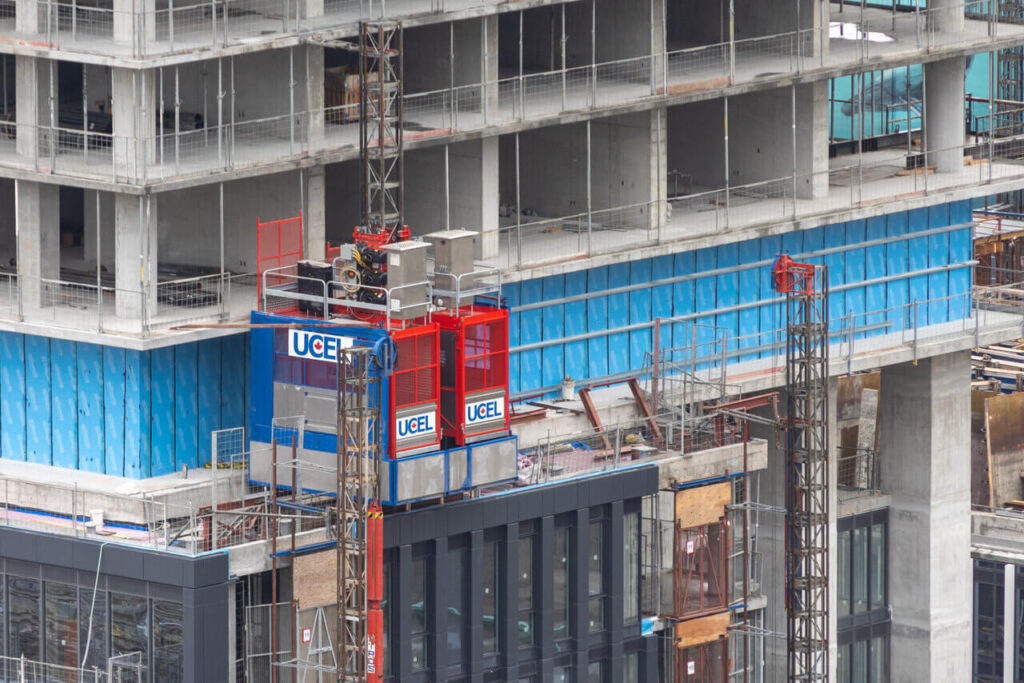
Project budgets often drive early equipment decisions, especially in large-scale construction. However, selecting a material elevator based primarily on cost can introduce risks that remain hidden until operations intensify. What appears to be a cost-saving decision at the outset can quickly evolve into a source of delays, inefficiencies, and rising expenses.
As construction progresses and vertical demand increases, performance gaps begin to surface. Systems that lack capacity, durability, or reliability struggle to support consistent material flow. This is where the difference between cost-focused selection and performance-driven planning becomes critical for any material elevator strategy.
People Also Ask
Why should material elevators be selected based on performance instead of cost?
Selecting a material elevator based on performance ensures consistent load handling, safety compliance, and reliable operation, reducing delays and long-term costs.
What are the risks of choosing a low-cost construction buck hoist?
A low-cost construction buck hoist may lead to frequent breakdowns, safety issues, reduced productivity, and increased maintenance costs over time.
Why Cost-Driven Decisions Can Compromise Material Elevator Performance
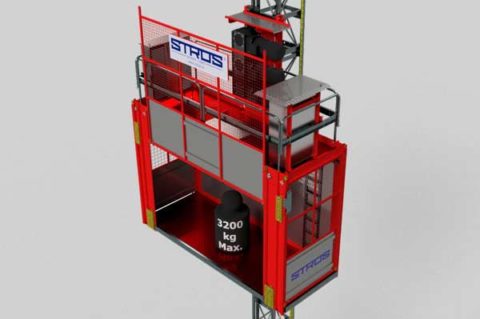
Cost-driven decisions often prioritize initial pricing over operational capability. A lower-cost material elevator may lack the engineering strength or load capacity required for high-demand environments. As structural work accelerates, these limitations become evident. Performance constraints slow down material movement and create pressure across all active work zones.
Hidden Risks of Choosing Low-Cost Material Elevator Systems
Low-cost systems often come with trade-offs that are not immediately visible. A construction buck hoist selected purely on price may have limited durability, reduced lifting speed, or lower load tolerance. These factors increase wear and the likelihood of breakdowns. Once failures begin, maintenance costs rise, and downtime becomes more frequent.
Impact on Productivity, Workflow, and Project Timelines
Inefficient vertical transport directly affects productivity. When a material elevator cannot keep pace with site demand, materials are delayed, and crews remain idle. Workflow disruptions spread across multiple trades, affecting coordination and sequencing. Over time, these delays accumulate and begin to impact overall project timelines.
Safety and Compliance Risks Associated with Underperforming Systems
Underperforming systems introduce safety and compliance concerns. A poorly selected construction buck hoist may struggle under peak loads or fail to meet regulatory standards. This increases the risk of incidents and inspection failures. Safety violations can lead to immediate shutdowns, further compounding delays and financial loss.
What Performance Factors Should Guide Material Elevator Selection
Performance-based selection requires evaluating capacity, lifting speed, structural compatibility, and compliance standards. A reliable material elevator must align with project scale and operational intensity. Engineering quality, safety systems, and maintenance support also play a key role in long-term performance. These factors determine whether the system can sustain consistent operation under demanding conditions.
Long-Term Cost vs Short-Term Savings: What Contractors Must Consider
Short-term savings often lead to long-term expenses. A lower upfront investment in a construction buck hoist can result in higher maintenance costs, extended downtime, and reduced productivity. When these factors are considered, the total cost of ownership increases significantly. Performance-driven decisions reduce risk and support stable project execution.
Performance-Driven Selection Protects Project Outcomes
Cost-based decisions may appear practical at the planning stage, but their impact becomes evident as project demands increase. Performance limitations in vertical transport create delays that are difficult to recover from. UCEL Inc. provides engineered solutions designed to meet high-performance requirements across construction environments. Selecting the right system early helps maintain productivity, safety, and schedule integrity.
Avoid decisions that compromise long-term outcomes. Partner with UCEL Inc. to implement reliable systems that support consistent performance and reduce operational risk with the right construction buck hoist strategy.