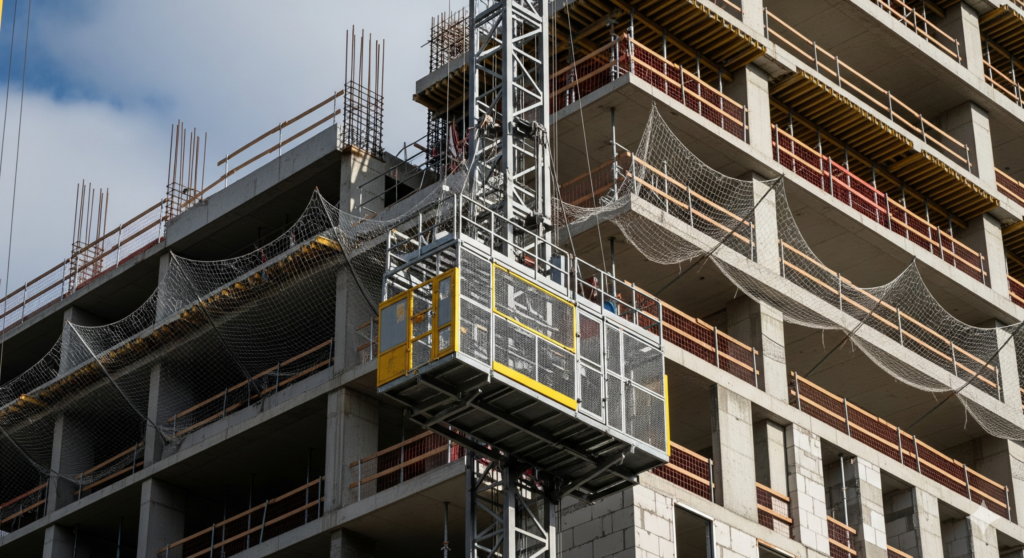
Structural timelines do not slow down once concrete cycles begin. When floor counts rise and trade density increases, vertical movement becomes the single point of failure on many job sites. Projects that delay installing material hoists often reach a stage where recovery is no longer realistic without major disruption.
As pressure builds across upper levels, even short delays in access begin to compound. Material hoists in construction planning that are not aligned with early phases force crews into reactive workflows. By the time the impact becomes visible, lost time, rising costs, and coordination breakdowns are already in motion.
People Also Ask
When should material hoists be installed on construction sites?
Material hoists and construction systems should be installed before structural work accelerates. Early deployment prevents bottlenecks and protects project timelines from disruption.
What happens if material hoists are installed late?
Late installation of material hoists leads to material congestion, labour inefficiencies, increased safety risks, and costly schedule overruns that are difficult to recover.
Why Timing of Material Hoist Installation Matters in Early Construction Phases
Early installation of material hoists in construction systems is not a preferred planning approach. It is a risk control measure. Once structural work accelerates, the absence of a hoist system creates immediate strain on logistics. Crews are forced to depend on limited alternatives, and material flow slows at the exact moment it needs to increase. Delaying installation even by a short window can trigger ongoing inefficiencies that are difficult to reverse.
How Delayed Hoist Deployment Creates Material Movement Bottlenecks
When material hoists are not operational before vertical demand peaks, bottlenecks form almost immediately. Materials accumulate at ground level, waiting for access that cannot keep pace with site requirements. This results in stalled crews, disrupted sequencing, and growing congestion. These bottlenecks do not remain isolated. They spread across multiple trades and intensify as the structure rises.
Impact on Labour Productivity and Trade Coordination
Labour productivity declines rapidly when vertical transport is unreliable. Without properly deployed material hoists, construction trades begin working out of sequence or waiting for delayed materials. Idle time increases, and coordination between teams breaks down. What begins as a minor delay quickly becomes a systemic issue affecting the entire project schedule.
Increased Safety Risks and Manual Handling Challenges
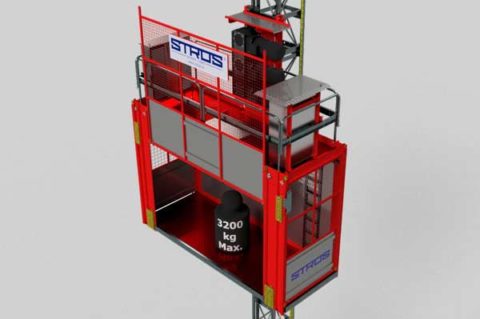
Delayed hoist installation forces reliance on manual handling and temporary lifting methods. These workarounds introduce immediate safety risks. Material hoists are designed to provide controlled, consistent transport under load. Without them, the risk of injury increases, compliance becomes harder to maintain, and the risk of site incidents rises during the most demanding phases of construction.
How Delays in Vertical Access Lead to Schedule Compression and Cost Overruns
Once vertical access falls behind, projects enter a recovery phase that often leads to schedule compression. Lost time must be regained through extended shifts or overlapping activities. This increases labour costs and reduces operational control. Material cost increases during construction delays frequently trigger budget overruns and place additional strain on project management teams attempting to recover lost progress.
Why Early Material Hoist Planning Is Critical for High-Rise Project Success
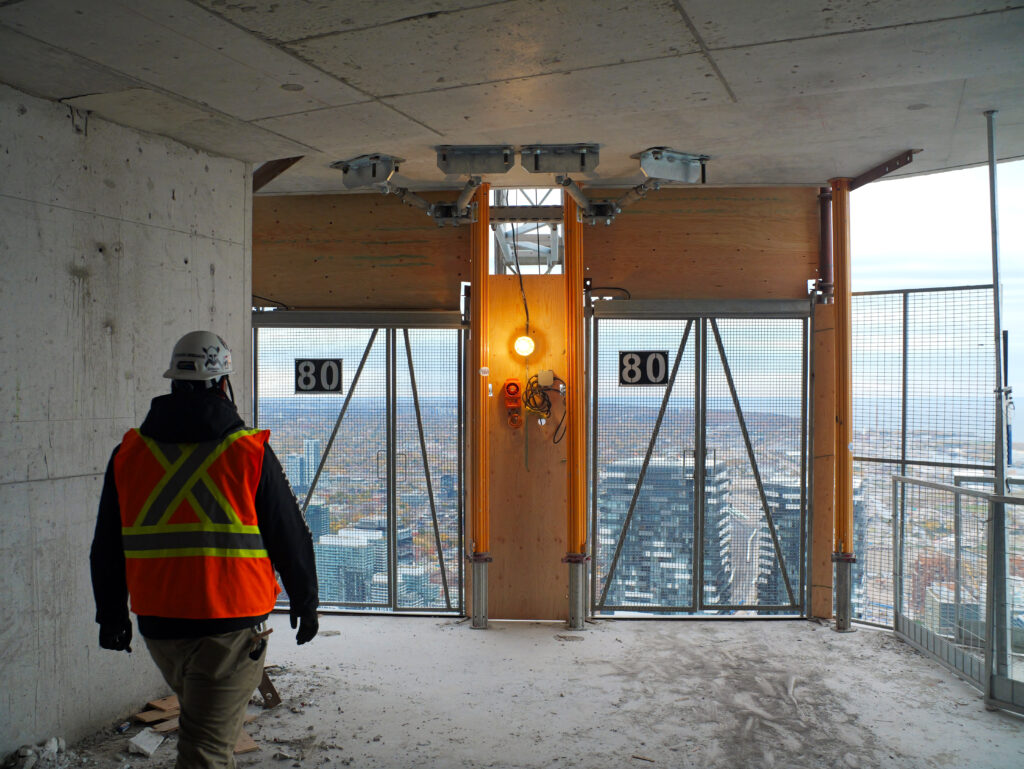
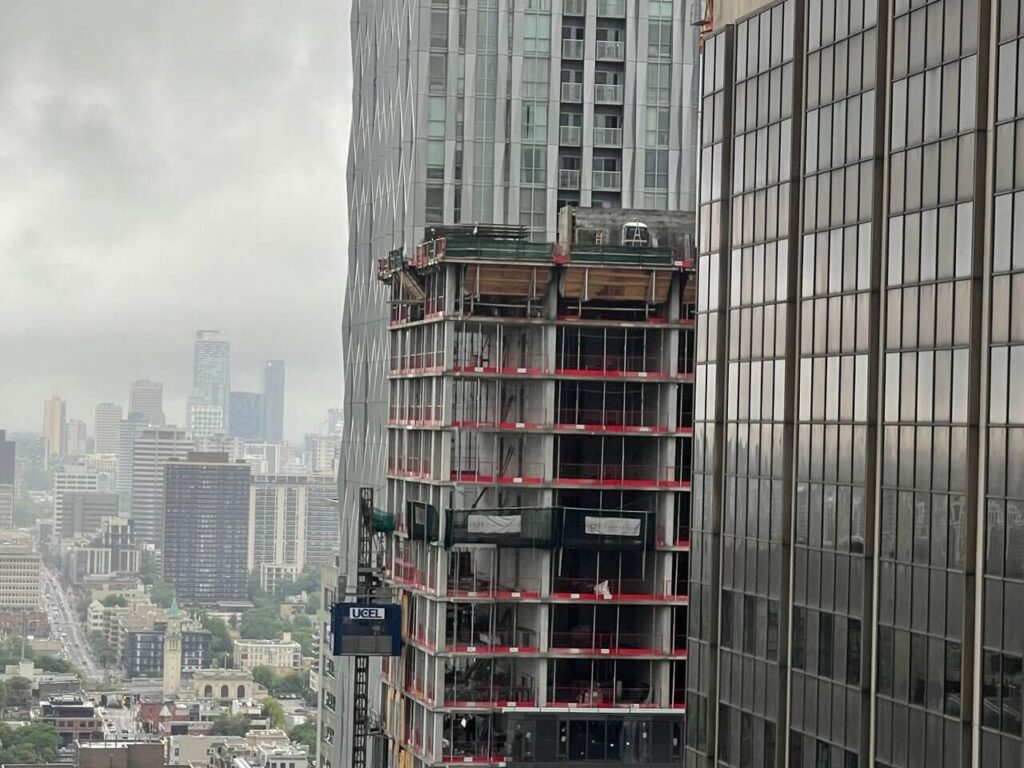
High-rise projects leave little margin for logistical failure. Early integration of material hoists ensures that vertical transport capacity is available before peak demand begins. Without this planning, projects are forced into reactive decisions that compromise efficiency and increase risk. Once delays take hold, regaining control becomes significantly more difficult.
Delayed Installation Leads to Compounded Project Risks
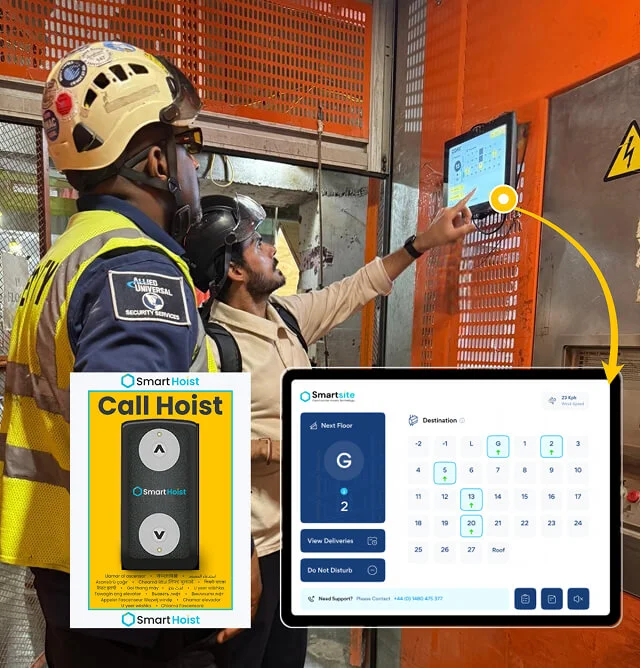
Delaying hoist installation does not create a minor setback. It creates a chain reaction that impacts productivity, safety, and cost control across the entire project lifecycle. UCEL Inc. provides hoist solutions engineered for early deployment, ensuring that vertical access is in place before demand escalates. Projects that fail to act early risk entering a phase where delays cannot be absorbed without significant consequences.
Avoid preventable disruption. Work with UCEL Inc. to secure reliable vertical access from the start and implement the right construction material hoist strategy before delays become unavoidable.