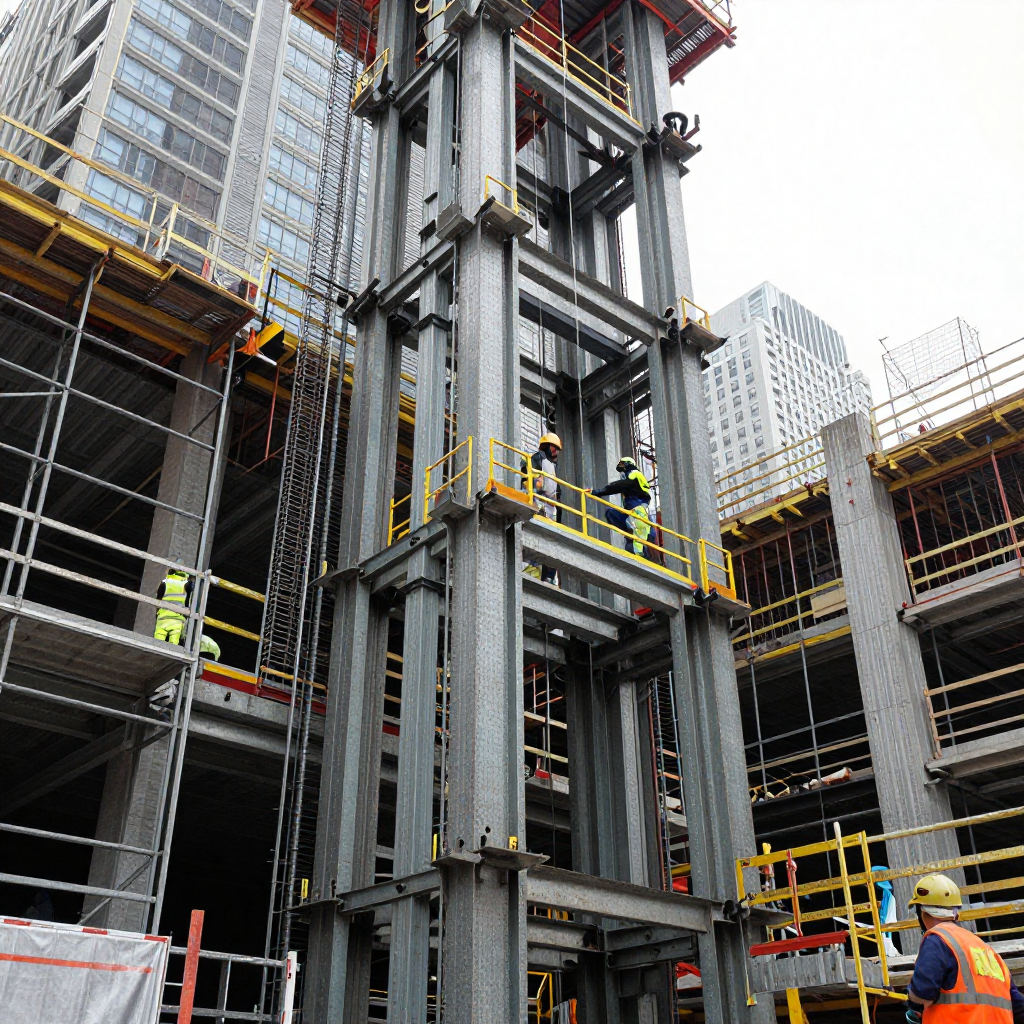
Vertical transportation challenges often cause severe schedule delays on major construction sites. When materials cannot reach upper floors reliably, entire trades stall, subcontractors idle, and project timelines compress in ways that are difficult to recover. A dedicated material lift elevator addresses this directly by creating a dedicated vertical supply chain independent of structural crane operations.
Tower cranes remain focused on structural framework rather than routine material handling, which is where their capacity delivers the greatest value. Proper logistics planning ensures heavy supplies reach active floors without disrupting passenger traffic or creating ground-level congestion that compounds delivery inefficiencies.
People Also Ask
Why should construction elevator rental be planned early?
Early planning helps secure equipment availability, allows time for engineering/coordination, and reduces the risk of schedule delays—especially during peak construction seasons in Canada and the U.S.
What risks come with last-minute construction hoist rental?
Last-minute rental can lead to limited equipment availability, higher rental costs, rushed installation, and productivity disruptions that slow the vertical movement of crews and materials.
What are the advantages of rack and pinion elevators on construction sites?
Rack-and-pinion construction elevators provide consistent lifting power and stable operation with high load capacity, and they don’t rely on traction cables—making them well-suited to high-rise construction logistics.
Why a Material Lift Elevator Matters for Site Efficiency
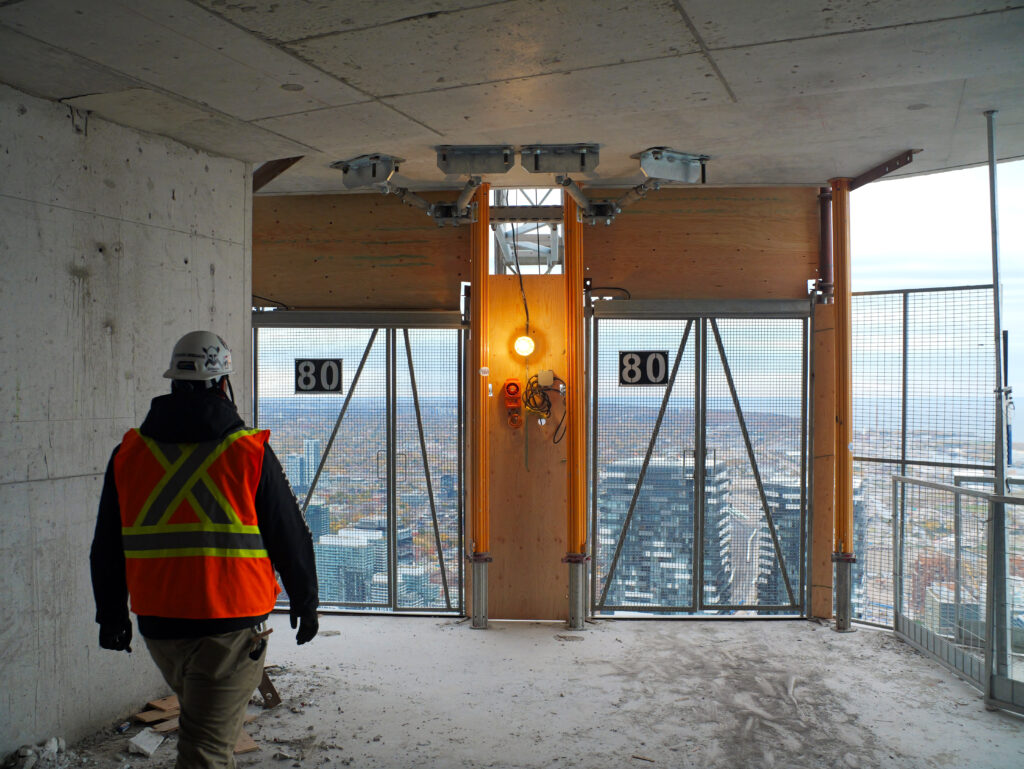
Relying on manual labor for vertical transport creates compounding safety risks and operational bottlenecks that intensify with building height. Workers carrying heavy loads up temporary stairwells face fatigue-related injury exposure, and the throughput ceiling is low relative to project demand. Specialized hoisting systems move bulky loads directly to active floors with minimal manual effort, freeing skilled tradespeople to focus on installation rather than logistics.
Faster unloading at the ground level reduces street congestion and shrinks the required staging footprint, which matters considerably on constrained urban sites. A material lift elevator consistently outperforms manual alternatives on throughput, safety record, and schedule predictability across demanding high-rise builds.
Types of Material, Elevator Technologies, and Drive Options
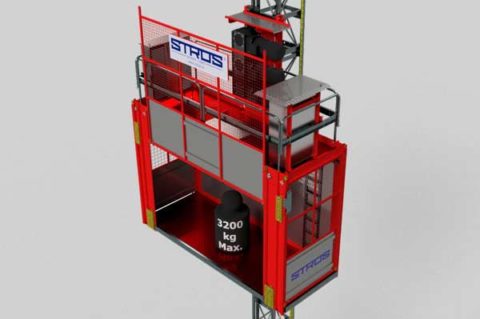
Rack-and-pinion systems are widely recognized as the preferred material elevator configuration for demanding outdoor construction environments. Their drive mechanism engages a fixed mast rack directly, delivering reliable load capacity across extended travel heights without the tension variability associated with cable systems. Pulley-driven configurations offer a highly efficient alternative for temporary indoor staging requirements where mast height is limited and load cycles are moderate.
Selecting the right drive mechanism depends on expected travel height, load frequency, and whether the installation is permanent or temporary. UCEL Inc. works with partnerships across top global manufacturers, ensuring that equipment specifications align with project-specific structural and electrical constraints rather than defaulting to a single product category.
Step-by-Step Process for Material Lift Elevator Installation
A structured installation sequence prevents costly rework and regulatory delays:
- Evaluate electrical power availability and confirm that structural mounting points can support dynamic load transfer before ordering any equipment.
- Coordinate delivery truck scheduling with the designated ground-level loading zone to prevent mast installation from conflicting with active material deliveries.
- Conduct a pre-installation safety inspection covering mast alignment, anchor bolt torque, and drive mechanism calibration before the first operational lift.
- Verify overload protection settings against the rated capacity of the specific material lift elevator configuration being deployed.
- Complete a final commissioning check with the site safety officer present before daily operations commence.
Skipping the pre-commissioning inspection is the most common mistake under compressed timelines, and it consistently results in regulatory holds that take longer than the inspection would.
Advanced Considerations for Material Lift Elevator Compliance and Safety
Compliance Standards and Regulatory Planning
- Strict compliance planning is essential when deploying material lift elevators on construction and industrial sites. Equipment that does not meet applicable safety expectations can cause operational delays, failed inspections, and unnecessary project interruptions.
- Industrial project teams should review whether the equipment supplied by manufacturing partners is designed to meet standards associated with ISO, ANSI, TUV, and CSA frameworks, where applicable. Proper documentation is especially important during third-party inspections and site safety reviews.
Overload Protection and Operational Testing
- Overload protection systems should be tested under realistic operating conditions rather than only under controlled factory settings. Equipment managers should verify that emergency braking systems, load-monitoring components, and control functions respond correctly during active site operations.
- Wind exposure, uneven loading, and repeated stop-start cycles can place additional stress on lifting systems. Routine testing under actual project conditions helps site teams identify performance concerns before they affect productivity or worker safety.
Inspection Scheduling and Documentation
- Inspection schedules should follow a documented process that includes both frequent visual checks and detailed periodic evaluations. Daily inspections often focus on visible wear, landing gate function, warning systems, and operator controls.
- Periodic inspections should include deeper assessments of structural connections, mast alignment, electrical continuity, brake response, and mechanical wear components. Maintaining traceable service records also supports audit preparation and long-term equipment management.
Preventive Maintenance Strategies
- Preventive maintenance is significantly more effective than reactive repair planning on active construction projects. Minor issues such as loose fasteners, brake wear, or electrical inconsistencies can quickly escalate into operational shutdowns if left unresolved.
- Environmental conditions also influence maintenance requirements. Construction sites operating during freeze-thaw cycles, rain exposure, airborne dust, or high-wind conditions often require more frequent inspection intervals to maintain safe equipment operation.
Operator Training and Site Safety Procedures
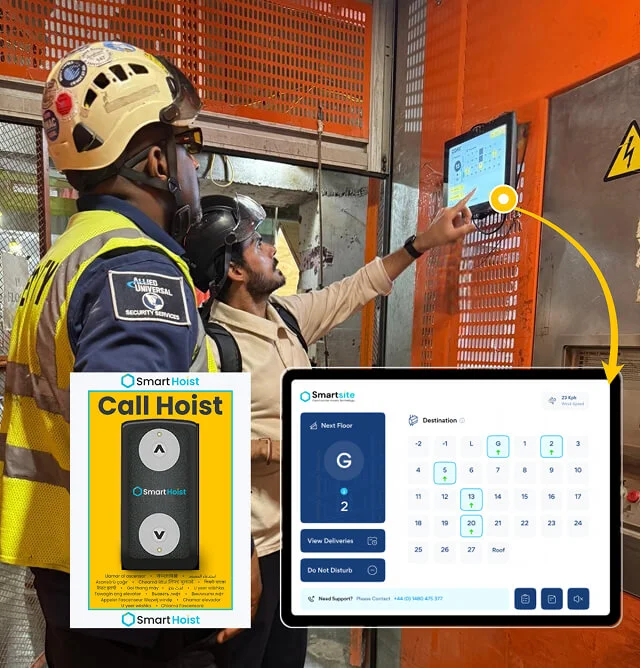
- Operator training remains an important part of compliance planning. Workers should understand rated load limits, emergency shutdown procedures, daily inspection requirements, and proper loading practices before operating any material lift elevator system.
Site Logistics and Installation Coordination
- Site-specific logistics planning is equally important for compliance. Equipment placement, power availability, landing access, and mast tie configurations should be reviewed before installation begins to reduce the risk of reconfiguration during later construction phases.
Project Support and Compliance Guidance
- UCEL Inc. has supported construction and industrial projects since 1963 by providing project guidance, vertical access expertise, and equipment support for demanding applications. Site teams working with UCEL Inc. receive assistance with compliance documentation, inspection planning, maintenance coordination, and equipment-specific operational guidance.
Long-Term Operational Risk Reduction
- Proactive compliance planning helps reduce the likelihood of regulatory findings, unexpected downtime, and operational disruption during active project schedules. Early coordination between equipment providers, site managers, and safety teams supports more efficient long-term equipment performance.
Conclusion and Next Steps with UCEL Inc.
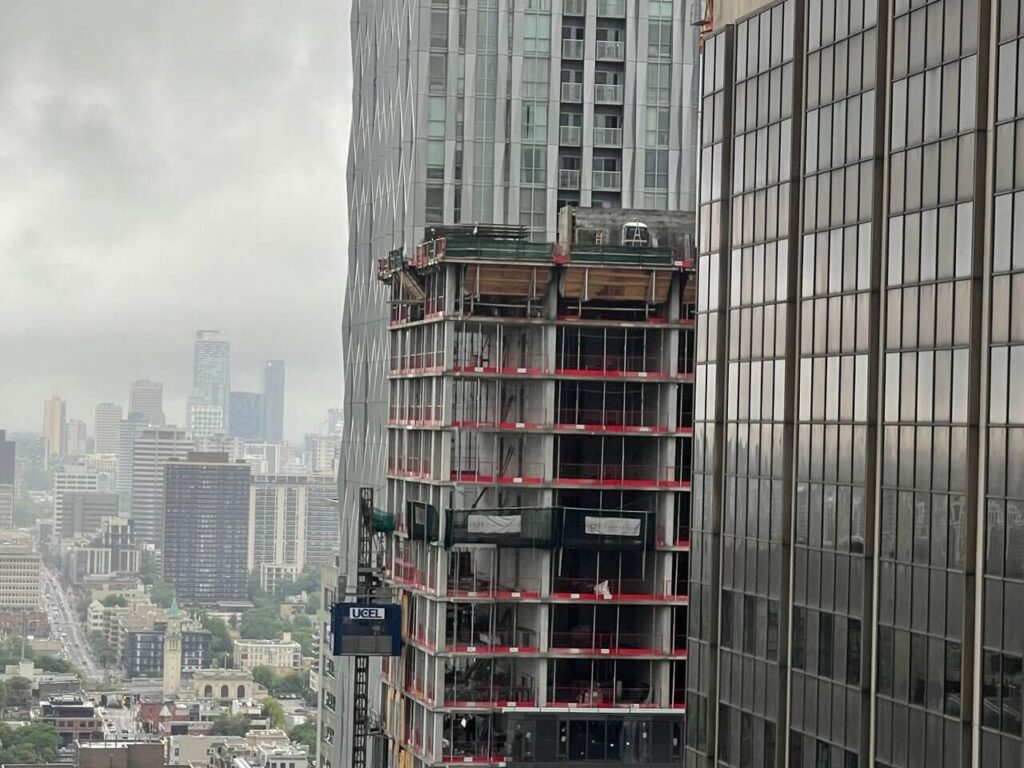
Implementing a robust vertical transport strategy centered on a reliable material-lift elevator accelerates project timelines and measurably improves site safety outcomes. Delays caused by inadequate vertical logistics compound quickly in tall buildings, and the cost of inaction grows with every additional floor.
General contractors should request a comprehensive site evaluation to determine optimal equipment sizing before mobilization begins. Partnering with UCEL Inc. provides access to engineered solutions, rental and sales options, and project support tailored for complex high-rise builds, backed by decades of operational expertise and relationships with leading global manufacturers.