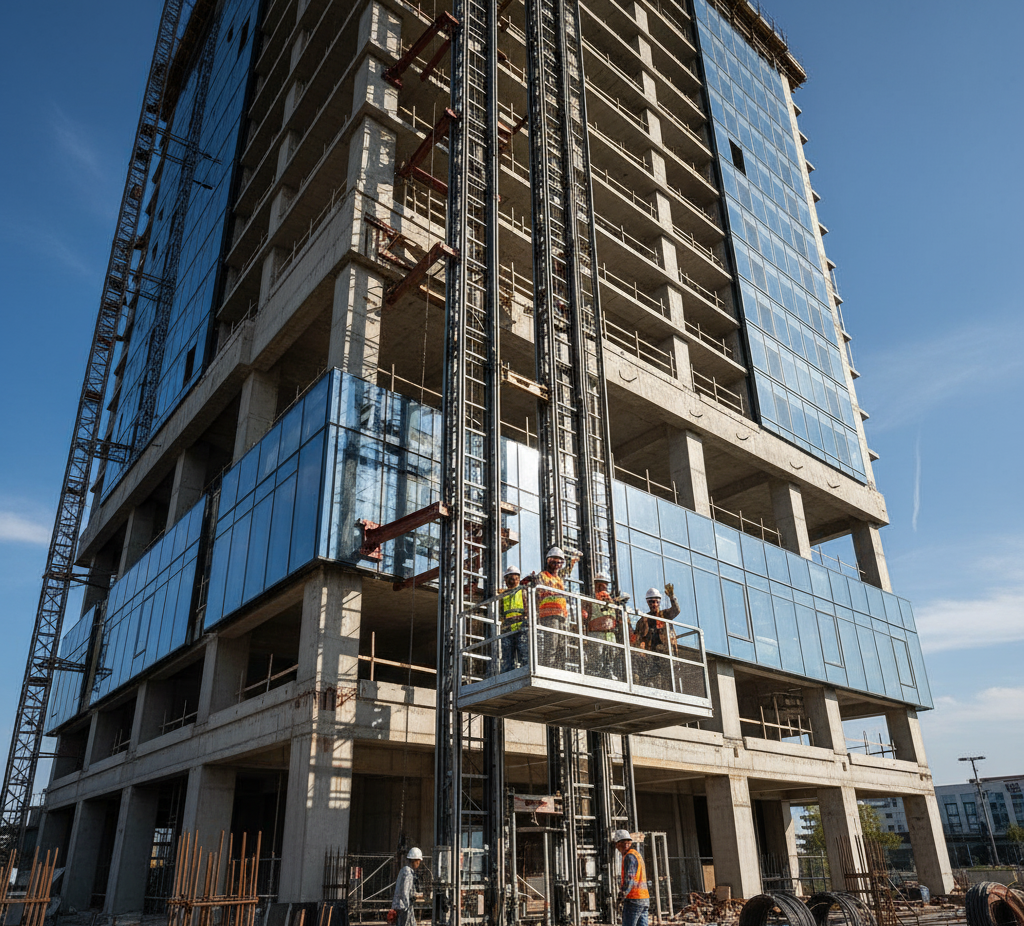
High rise construction projects across Ontario depend on efficient vertical transportation systems to keep materials moving safely and consistently throughout demanding build schedules. As buildings continue growing taller and urban construction sites become more congested, contractors require specialized lifting systems capable of supporting continuous material flow without disrupting critical operations.
This is why material hoists have become an essential component of modern high rise construction planning. These systems help contractors improve productivity, reduce manual handling risks, and maintain organized site logistics on complex urban developments.
From structural steel and curtainwall panels to drywall, concrete materials, and finishing supplies, vertical transportation efficiency directly affects project timelines and operational safety.
People Also Ask
What are material hoists used for in construction?
Material hoists are used to transport construction materials vertically across multi level job sites. They help move supplies such as steel, concrete materials, curtainwall panels, and tools safely and efficiently during high rise construction projects.
What is the difference between a material hoist and a personnel hoist?
A construction material hoist is designed specifically for transporting materials, while personnel hoists are engineered to transport workers safely. Personnel systems generally include enclosed transport cars and additional safety features required for passenger movement.
Why are material hoists important for high rise projects?
High rise projects rely on efficient vertical transportation to maintain productivity and reduce manual handling risks. Material hoists construction systems help streamline material movement while reducing congestion around crane operations and loading zones.
Can material hoists operate in high wind conditions?
Material hoists may operate within manufacturer specified environmental limits, but high wind exposure can affect safe lifting performance. Contractors must follow strict operational shutdown procedures when weather conditions exceed approved safety thresholds.
What Are Material Hoists and Why Do They Matter in Construction
Defining Load Only Vertical Transport Systems
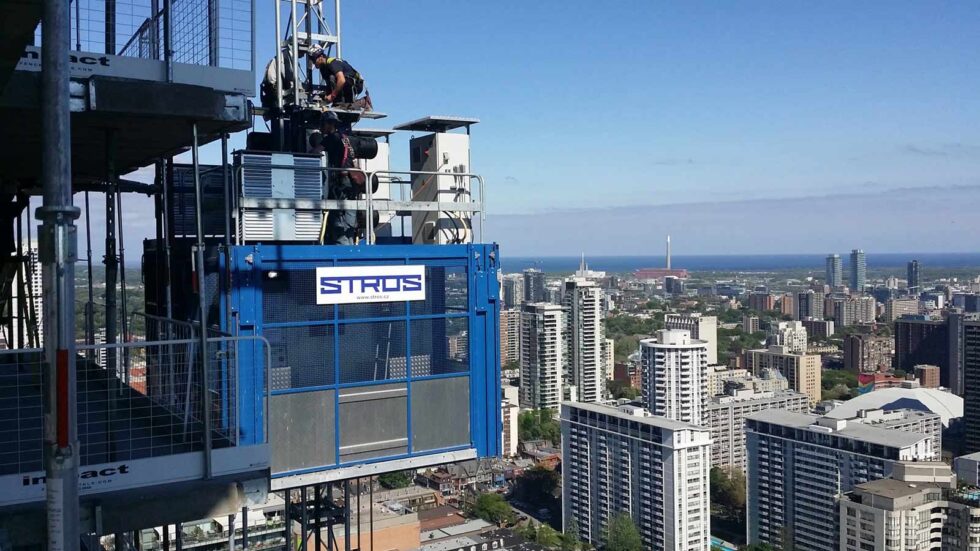
Material hoists construction systems are designed specifically for transporting construction materials vertically across multilevel job sites. Unlike personnel elevators, these systems are intended solely for load transportation and are engineered to handle demanding payload requirements safely.
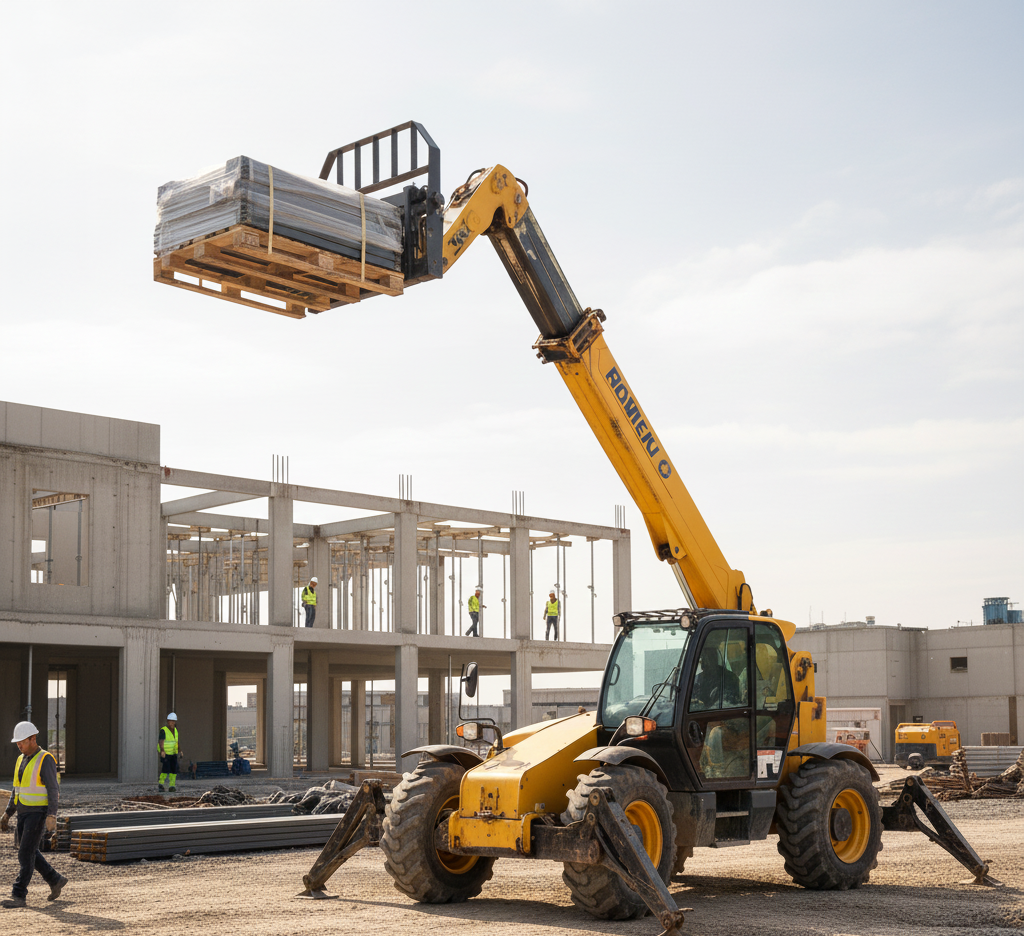
Modern construction material hoist systems allow contractors to move heavy materials quickly between ground level and active work areas without relying entirely on cranes or manual carrying operations. Many systems now provide faster and more controlled lifting performance than traditional material handling approaches used on older construction projects.
As high-rise developments become larger and more technically demanding, contractors increasingly depend on dedicated material transport systems to maintain workflow efficiency throughout every project phase.
Core Safety and Operational Features
Modern material hoists include multiple integrated safety systems designed to support safer lifting operations under continuous daily usage. Emergency braking systems, landing gate interlocks, overload protection controls, and guided mast mechanisms all contribute to stable vertical transportation performance.
These systems also help reduce the physical strain associated with repetitive manual material movement across construction sites. Reducing manual handling exposure improves operational safety while helping contractors manage labor resources more effectively.
Controlled vertical transport systems further improve site organization by minimizing unnecessary congestion around active loading zones and scaffold access areas.
Regulatory Compliance in North America
Ontario construction projects must comply with strict safety standards governing temporary vertical transportation systems, installation procedures, and operational inspections.
Contractors using construction material hoist systems must follow structured erection and dismantling procedures to maintain safe operation throughout the project lifecycle. This includes verifying mast stability, securing structural ties properly, and conducting routine safety inspections before equipment enters service.
Regulatory compliance planning remains essential for reducing inspection delays and supporting safer construction operations across high-rise developments.
The Strategic Value of Material Hoists for Ontario High Rise Projects
Accelerating High-Rise Project Timelines
Efficient vertical transportation plays a major role in maintaining project schedules on large scale urban developments. Material hoists allow contractors to move supplies directly from delivery trucks to designated floors without interrupting other critical site operations.
Compared to relying exclusively on tower cranes for repetitive transport tasks, dedicated hoisting systems help improve workflow consistency while reducing delays caused by scheduling conflicts or crane availability limitations.
This becomes especially important on high-rise projects involving simultaneous facade installation, structural work, and interior construction activities occurring across multiple floors.
Enhancing Site Safety and Congestion Management
Urban construction environments often face limited staging space, restricted street access, and continuous material delivery traffic. Dedicated material hoists construction systems help reduce congestion by streamlining vertical transport operations within a controlled lifting zone.
By minimizing unnecessary material handling activity around active work areas, contractors can improve site organization while reducing operational risks associated with crowded loading spaces and uncontrolled lifting practices.
Controlled hoisting systems also help reduce interference between pedestrian traffic, crane operations, and delivery logistics on busy urban construction sites.
Cost Benefit Analysis and Return on Investment
Contractors evaluating vertical transportation strategies often compare rental and ownership models based on project duration, material demands, and operational frequency.
Rental programs may provide greater flexibility for temporary projects or phased developments requiring scalable equipment solutions. Long-term ownership strategies may offer stronger lifecycle value for contractors managing continuous high-rise construction operations over extended periods.
Automated vertical transportation also reduces labor demands associated with repetitive manual material movement. This can improve workforce efficiency while helping contractors allocate labor resources more effectively across specialized construction activities.
Contractors planning high-rise developments should consult experienced vertical transportation specialists before selecting equipment configurations. UCEL Inc. provides customized equipment planning and project support tailored to complex urban construction environments.
Exploring Construction Material Hoist Types and Configurations
Heavy Duty Systems for Bulky Materials
Large-scale high-rise projects often require heavy duty construction material hoist systems capable of transporting oversized building materials safely. Extendable jibs and luffing boom configurations help support complex facade installation work involving curtainwall systems, steel assemblies, and large construction components.
Heavy-capacity systems are commonly selected for projects requiring continuous material movement over extended lifting heights and demanding operational conditions.
Proper system selection depends heavily on payload requirements, site geometry, and project staging demands.
Compact Solutions for Constrained Access
Not all projects involve large staging areas or open installation zones. Some urban developments require compact hoisting systems designed for restricted site footprints and limited building access points.
Material basket configurations may allow contractors to move supplies efficiently through smaller window openings or constrained scaffold access zones. Compact systems help improve operational flexibility while supporting safer material handling in dense urban environments.
These configurations are especially valuable for renovation projects, facade restoration work, and constrained downtown construction sites.
Power and Infrastructure Requirements
Most modern material hoists require dedicated electrical infrastructure to support reliable operation. Contractors must evaluate voltage requirements, power phase configurations, trailing cable routing, and temporary electrical distribution planning before installation begins.
Power coordination should occur early during project planning to prevent operational interruptions once lifting activities begin. Electrical integration must also comply with applicable regional safety standards and temporary power regulations.
Step-by-Step Guide to Planning Material Hoists Construction Deployments
Assessing Site Footprint and Foundation Needs
Successful material hoists construction planning begins with evaluating ground conditions, foundation capacity, and available installation space.
The base slab must support the operational loads generated by mast sections, transported materials, and environmental forces acting on the structure during lifting operations. Structural mounting points and tie locations should also be reviewed early to support safe installation planning.
Projects involving greater lifting heights may require additional engineering evaluations to support larger mast configurations and increased loading demands.
Integrating Hoists with Tower Crane Operations
Efficient high rise projects rely on coordinated lifting strategies that balance tower crane operations with dedicated material transportation systems.
Many contractors use material hoists to handle repetitive daily material movement while reserving tower cranes for structural lifts and oversized components. Coordinated scheduling improves operational efficiency while reducing crane congestion during active construction phases.
For example, synchronized lifting operations may allow facade materials to reach designated staging floors while structural crews continue crane-assisted steel installation simultaneously.
Executing Daily and Periodic Inspections
Routine inspections remain essential for maintaining safe vertical transportation operations on high-rise projects. Contractors must follow manufacturer maintenance instructions carefully while conducting daily operational checks and scheduled detailed inspections.
Inspection procedures typically include verifying mast connections, landing gates, safety devices, braking systems, and electrical controls regularly throughout the project lifecycle.
Preventive maintenance planning helps identify operational concerns early while reducing the likelihood of unexpected downtime during critical construction phases.
Advanced Site Planning and Environmental Considerations for Material Hoists
Navigating Extreme Weather and Wind Limits
Ontario construction projects frequently experience changing weather conditions that affect lifting operations. Contractors must establish clear environmental operating limits for safe construction material hoist usage during wind exposure, heavy precipitation, and freezing temperatures.
High rise installations require particular attention to wind loading conditions because taller structures experience greater environmental forces during operation.
Strict environmental shutdown procedures help reduce operational risks while protecting both workers and equipment from hazardous conditions.
Managing Operator Training and Supervision
Proper operator training remains essential for maintaining safe hoisting operations throughout every project phase. Competent supervision, hazard awareness training, and clear communication procedures help reduce avoidable incidents on active construction sites.
Many contractors now prioritize structured operator certification programs to improve operational consistency while supporting long term compliance planning.
Training programs should also include emergency response procedures, load handling protocols, and equipment inspection responsibilities.
Overcoming Regional Regulatory Hurdles
Ontario construction projects face strict inspection and compliance requirements governing temporary vertical transportation systems. Contractors must coordinate permitting, operational approvals, and ongoing inspection documentation carefully before equipment enters service.
Project teams evaluating broader compliance strategies should also review related vertical transportation safety guidance and temporary works planning procedures during early project development stages.
Essential Resources and Further Reading for Hoisting System Management
Downloadable Technical Specifications
Modern hoisting systems often include extensive technical documentation covering load charts, lifting speeds, installation requirements, and operational limitations.
These technical resources help contractors evaluate equipment suitability while supporting safer project planning and installation coordination across high rise developments.
Digital Planning and Modeling Assets
Many contractors now integrate building information modeling and computer aided design assets directly into vertical transportation planning workflows.
Digital models help project teams coordinate mast placements, loading zones, scaffold integration, and crane operations more efficiently before installation begins. This improves planning accuracy while reducing potential conflicts during active construction phases.
Maintenance and Support Networks
Long term operational reliability depends heavily on access to experienced service teams, replacement components, and preventive maintenance planning.
UCEL Inc. supports high rise construction projects with long term maintenance programs, project support services, and partnerships with globally recognized European manufacturers specializing in vertical transportation systems.
Fast response support services help contractors reduce operational interruptions while maintaining safe and efficient lifting performance throughout demanding construction schedules.
Conclusion and Next Steps for Securing Your Hoisting Equipment
Summarizing the Vertical Transport Advantage
Modern material hoists provide substantial advantages for high-rise construction projects by improving productivity, reducing manual handling risks, streamlining material movement, and supporting safer urban construction operations.
Dedicated vertical transportation systems help contractors maintain organized workflows while reducing congestion and improving coordination across large-scale developments. As projects continue becoming taller and more complex, reliable material handling solutions remain essential for maintaining operational efficiency.
Choosing the Right Partner for Your Project
Selecting the right vertical transportation provider is critical for long term project success. Contractors should prioritize providers with extensive industry experience, customized engineering capabilities, rental support programs, and comprehensive installation expertise.
Since 1963, UCEL Inc. has supported high rise developments with turnkey vertical transportation solutions tailored to demanding construction environments across North America.
Contact UCEL Inc. today to discuss rental options, purchase inquiries, custom engineering consultations, or long term project support for your next construction material hoist deployment.