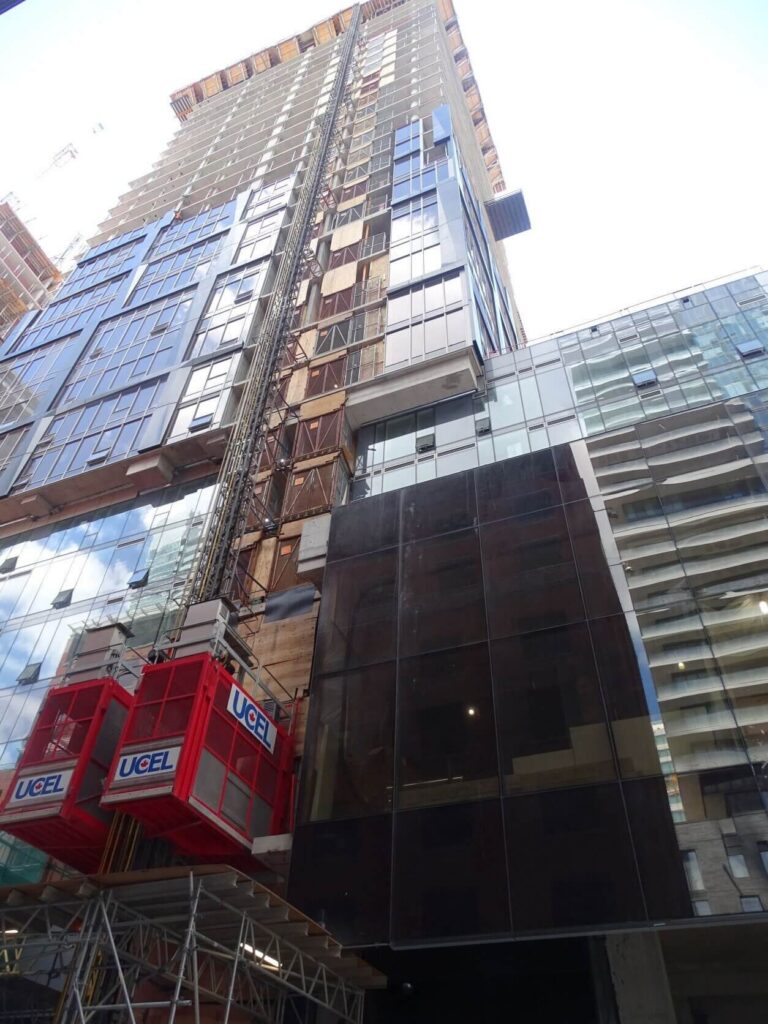
High-rise construction projects in New York require efficient vertical transportation systems capable of handling demanding material movement, worker access, and strict safety compliance standards. Installing a construction buck hoist correctly is one of the most important steps in maintaining safe and productive site operations throughout every stage of the project lifecycle.
From foundation engineering to mast erection and electrical integration, every phase of the installation process requires careful planning and coordination. Improper setup can increase operational risks, create inspection delays, and disrupt critical construction timelines on complex urban developments.
People Also Ask
What is a construction buck hoist?
A construction buck hoist is a temporary vertical transportation system used on high rise construction projects to move workers, tools, and heavy materials safely between floors. These systems are commonly installed alongside building exteriors using mast mounted rack and pinion technology.
Why are tie systems important for construction buck hoists?
Tie systems stabilize the mast structure by securing the hoist to the building at specific intervals. Proper tie placement helps reduce mast movement caused by wind loads, operational forces, and changing environmental conditions on tall structures.
How often should a construction buck hoist be inspected?
Inspection frequency depends on project requirements, operational intensity, and local regulations. Most high rise projects conduct routine daily inspections alongside periodic detailed evaluations of mast connections, safety devices, brakes, landing gates, and electrical systems.
Why Expert Construction Buck Hoist Installation Matters for High-Rise Projects
Installing a buck hoist on a high-rise structure involves much more than simply positioning lifting equipment next to a building. Urban construction environments create logistical challenges that require advanced planning and specialized engineering coordination.
Navigating Urban Logistical Challenges
Dense metropolitan construction zones often present limited staging space, restricted delivery access, and strict municipal scheduling requirements. Urban mobilization delays can significantly affect project timelines when vertical transportation systems are not installed efficiently.
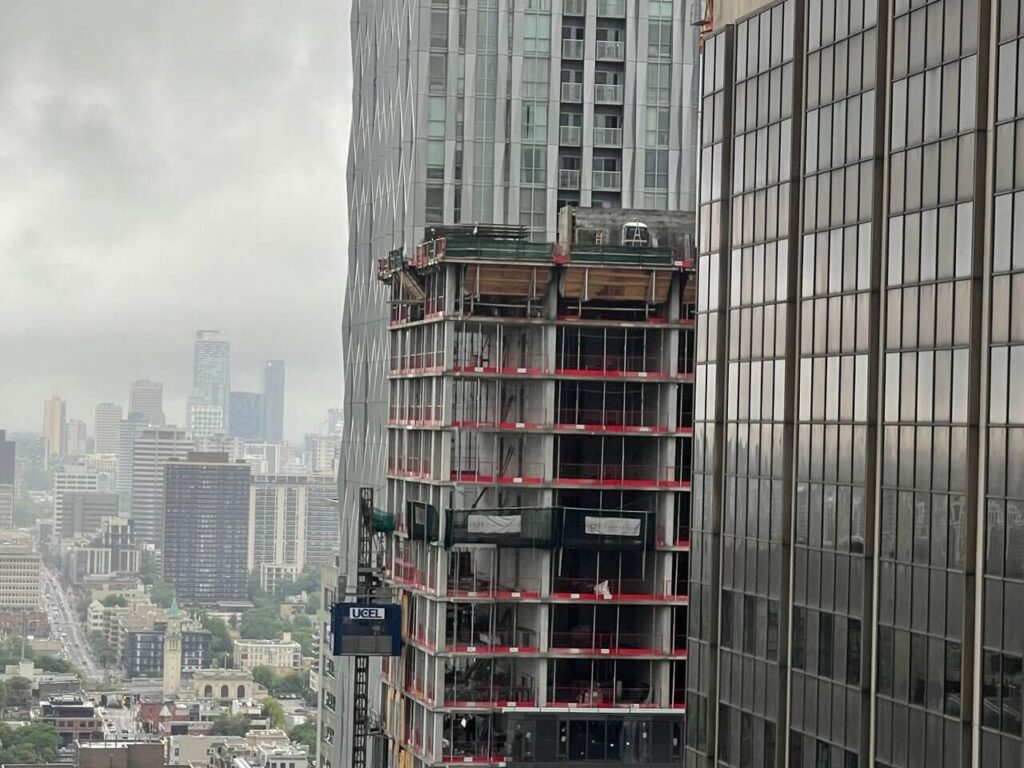
This becomes especially important on large-scale developments in areas such as Hudson Yards, where contractors must coordinate crane access, street closures, scaffold integration, and temporary works planning within tight urban footprints.
Careful installation scheduling helps reduce equipment congestion while improving workflow coordination between structural crews, facade installers, and vertical transportation teams.
The Role of Proven Heritage and Fleet Reliability
Experienced vertical transportation providers play a major role in helping contractors manage installation complexity on high-rise projects. Established providers often maintain large North American equipment fleets capable of supporting projects with varying height requirements, payload demands, and site conditions.
UCEL Inc. has supported specialized lifting projects since 1963 through customized vertical transportation planning and partnerships with globally recognized European manufacturers. These partnerships help contractors access ISO aligned equipment solutions designed for demanding construction applications requiring long-term operational reliability.
Core Concepts of a Buck Hoist Elevator System
Before beginning installation, project teams should understand the primary components and operating principles of a buck hoist elevator system.
Understanding Key Components and Drive Mechanisms
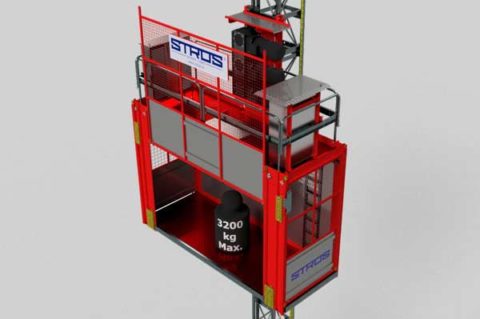
A modern construction buck hoist typically includes mast tower sections, drive motors, landing gates, tie systems, control panels, and a base unit engineered to support vertical transport operations safely.
Many high rise systems now use variable frequency drives to improve lifting control and reduce mechanical stress during operation. These advanced drive systems allow smoother acceleration and deceleration while helping improve operational efficiency during continuous daily use.
Independent twin car configurations are also commonly used on larger projects where simultaneous worker and material transport is required. Proper base leveling remains critical during installation because uneven foundations may affect mast alignment and long term lifting performance.
Personnel Versus Material Configurations
Contractors must also determine whether the project requires personnel transport capability, material-only transport, or a dual-purpose configuration.
Personnel units generally include enclosed transport cars, enhanced safety controls, and stricter compliance requirements for worker transportation. Material only systems may provide higher payload capacity but lack the features necessary for transporting workers safely.
For super high rise projects, dual-purpose configurations are often preferred because they improve operational flexibility while reducing dependency on tower cranes for repetitive transport tasks.
Rack and Pinion Versus Traction Construction Buck Hoist Systems
Drive mechanism selection directly affects maintenance requirements, environmental performance, and long term operational reliability.
Comparative Technical Analysis
Rack and pinion driven buck hoist elevators are widely used on high rise construction projects because they provide stable lifting performance over extended travel distances. These systems maintain reliable vertical movement even under changing environmental conditions commonly experienced on tall structures.
Compared to traditional traction systems, rack and pinion mechanisms often experience less operational downtime during demanding construction schedules. Their guided mast design also helps improve stability during heavy material transport operations.
Harsh weather exposure, fluctuating temperatures, and high wind conditions further increase the importance of selecting a drive system engineered for rugged urban construction environments.
Environmental Impact and Energy Efficiency
Sustainability goals are becoming increasingly important on modern high rise projects. Many developers now prioritize equipment solutions that support LEED focused construction strategies and energy conservation objectives.
Variable frequency drive technology helps reduce unnecessary energy consumption by improving motor efficiency during operation. Controlled acceleration also reduces wear on critical drive components, helping extend equipment lifespan while supporting more sustainable site operations.
The Implementation Playbook for Construction Buck Hoist Deployment
Successful construction buck hoist installation requires a structured implementation strategy covering site preparation, mast erection, tie placement, and safety verification.
Pre-Installation Site Preparation and Base Design
The installation process begins with foundation engineering and base preparation. The base slab must support the operational loads generated by the mast, lifting car, transported materials, and environmental forces acting on the structure.
Certified guidance documents for temporary works design and tie engineering should always be reviewed before installation begins. Proper soil analysis, slab reinforcement evaluation, and load calculations help reduce structural movement during operation.
Projects involving extreme heights may require additional engineering assessments to support larger mast configurations and increased tie loading demands.
Erecting Mast Sections and Securing Ties
Mast erection procedures require strict adherence to manufacturer specifications for bolt torque settings, rack alignment, and structural tie placement.
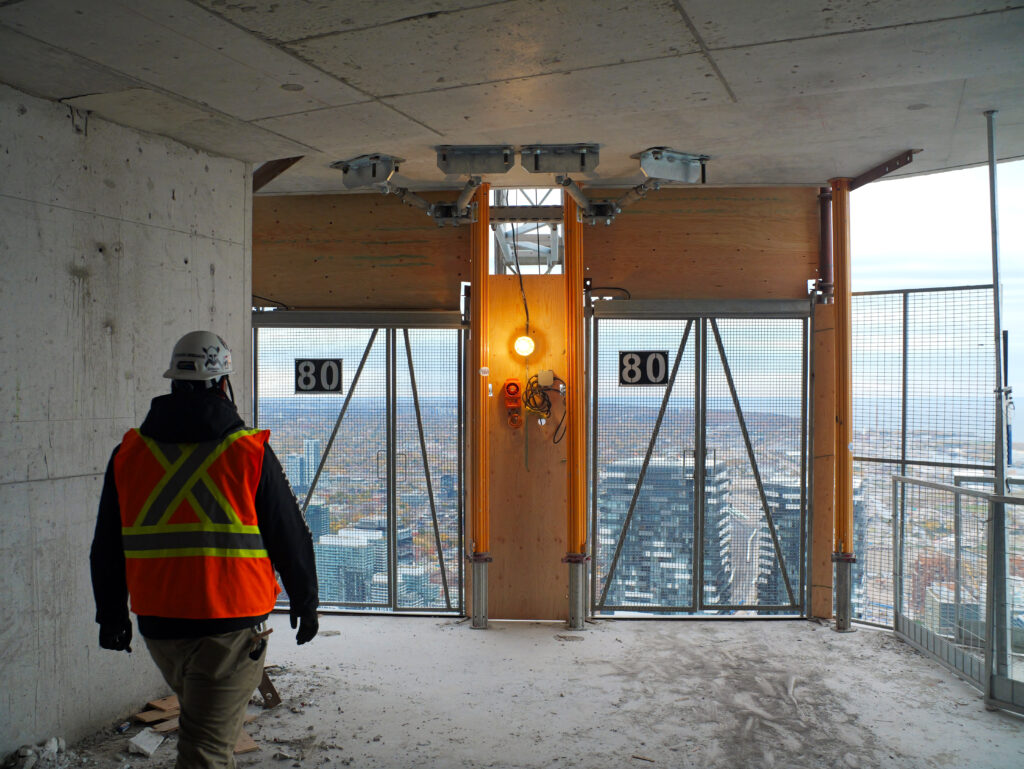
Tie systems stabilize the mast structure by connecting it to the building at controlled intervals throughout the height of the installation. Contractors must also monitor maximum free top limits carefully to prevent excessive mast movement under wind-loading conditions.
Improper rack connections or incorrect tie spacing can create serious operational hazards that increase the risk of instability during lifting operations.
Contractors planning complex installations should consult experienced engineering specialists before finalizing mast layouts and tie strategies. UCEL Inc. provides customized engineering support for challenging high-rise vertical transportation projects.
Electrical Integration and Safety Testing
Electrical integration includes trailing cable installation, power supply coordination, lockout procedures, and control system verification.
Safety testing must occur throughout the installation process rather than only at final commissioning. Emergency brakes, overload protection systems, landing interlocks, and limit switches should be tested at defined elevation milestones during mast erection.
Routine safety verification helps identify installation concerns early while reducing the likelihood of compliance failures during regulatory inspections.
Common Installation Mistakes and Compliance Pitfalls to Avoid
High rise projects face strict regulatory oversight regarding temporary vertical transportation systems.
Navigating Strict Regulatory Frameworks
Improper bolting practices remain one of the most common causes of inspection failures on temporary lifting installations. Regulatory agencies and safety inspectors closely evaluate mast connections, structural ties, landing gates, and operational controls before authorizing equipment use.
Projects must also comply with applicable ANSI and ASME safety requirements governing construction hoist installation and operation. Safety director approval procedures should be completed before commissioning begins.
Ignoring compliance documentation requirements can delay project timelines and create avoidable operational disruptions.
Overlooking Temporary Works Information
Temporary works coordination is another critical area frequently overlooked during high rise installations. Contractors must standardize documentation related to structural tie calculations, fixing selections, and load distribution planning.
Confusion regarding tie loads or anchor specifications can create installation inconsistencies that affect long-term operational stability. Early coordination between structural engineers, facade contractors, and hoist specialists helps reduce these risks significantly.
Advanced Tactics for High-Rise Vertical Access and Sustainability
Modern projects increasingly require customized vertical transportation strategies tailored to unique site conditions.
Custom Engineering for Niche Project Needs
Specialized high rise projects may require custom tie in systems, rooftop-mounted installations, remote monitoring technology, or integrated intercom communication systems.
Custom engineered solutions often involve longer manufacturing and approval timelines due to additional design reviews and project specific fabrication requirements. Early planning helps contractors align procurement schedules with installation milestones more effectively.
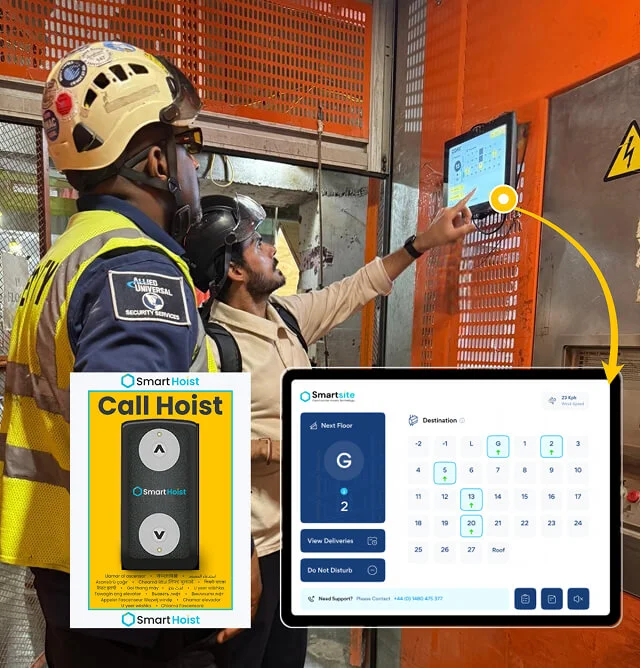
Advanced monitoring systems also improve operational visibility by helping project teams track equipment performance, maintenance activity, and safety alerts in real time.
Internal Linking and Further Education
Contractors evaluating complex installations should also explore broader topics related to vertical transportation engineering contracts, temporary works planning, and long term industrial rental strategies.
Understanding how lifting equipment integrates with overall project logistics helps improve procurement planning while supporting more efficient construction workflows.
Resources and Next Steps for Your Construction Buck Hoist Project
Essential Tools and Documentation
Successful installation projects rely heavily on organized documentation, inspection records, temporary works forms, and manufacturer installation checklists.
The industry continues moving toward stricter documentation compliance requirements as projects become larger and more technically demanding. Maintaining complete installation records helps contractors streamline inspections and support safer long term operation.
Project teams should prepare standardized checklists covering mast erection procedures, tie inspections, electrical verification, and safety device testing before mobilization begins.
Partnering with Vertical Access Experts
Installing a construction buck hoist on a high-rise project requires experienced engineering support, reliable equipment access, and structured safety planning from the earliest project stages.
UCEL Inc. provides customized vertical transportation solutions, engineering guidance, rental services, and long term project support for complex high rise developments across North America. Working with an experienced vertical access provider helps contractors reduce installation risks, improve operational efficiency, and maintain compliance throughout the project lifecycle.
Contact UCEL Inc. to request a mobilization schedule, custom engineering consultation, or tailored quote for your next high rise buck hoist elevator installation project.