
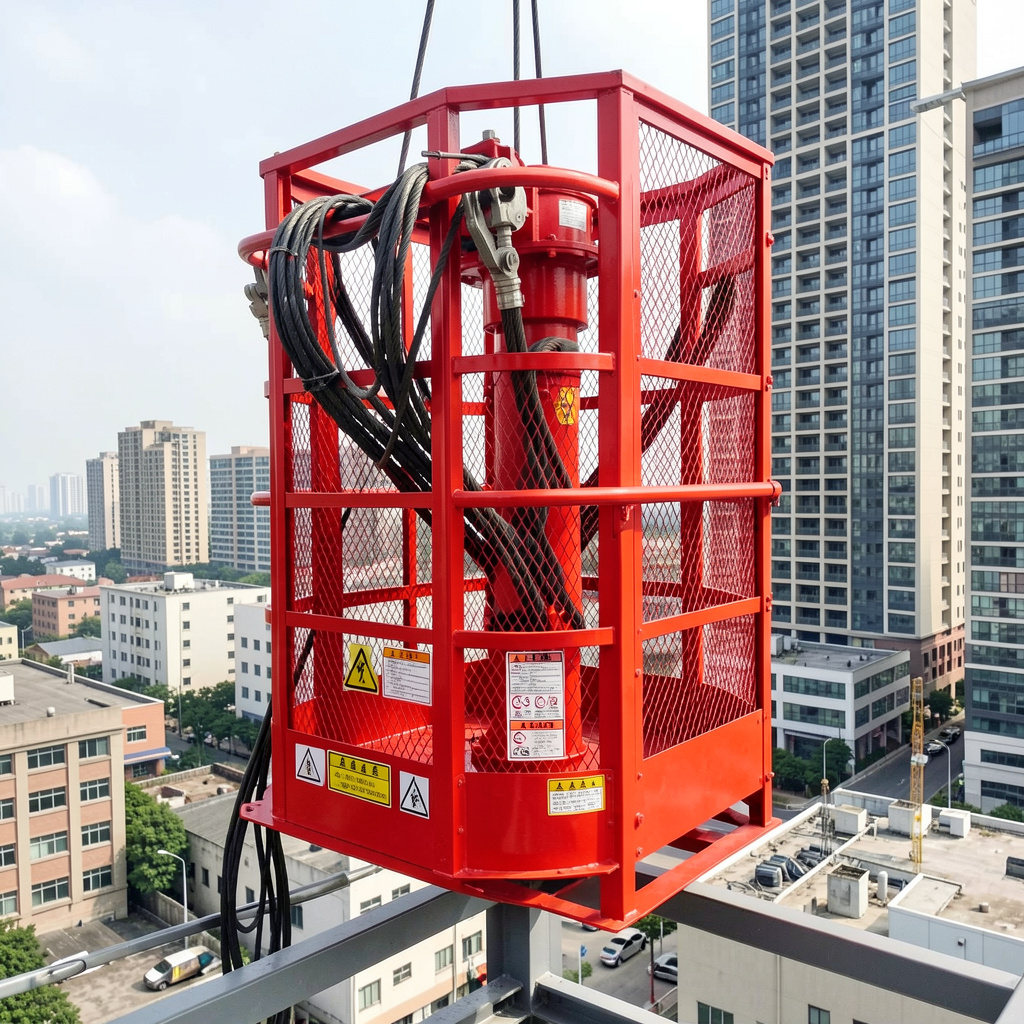
Hazardous work environments are facing increased scrutiny as safety incidents continue to expose the consequences of inadequate equipment selection. Facilities handling flammable gases, combustible dust, vapors, or volatile chemicals operate under constant ignition risk. Even minor electrical sparks, heat buildup, or mechanical friction can trigger catastrophic events when lifting equipment is not designed for such conditions.
As safety standards tighten across Canada and the USA, lifting systems are no longer evaluated only on capacity and performance. They are assessed on their ability to prevent ignition at every stage of operation. This shift has positioned explosion proof hoists as a mandatory safety requirement rather than an optional upgrade.
Understanding What Makes an Area Hazardous
A hazardous area is defined by the presence of flammable substances in concentrations that can ignite under normal operating conditions. These environments include zones where vapors, gases, fibers, or dust are present during routine processes.
In such settings, conventional lifting systems introduce unacceptable risk. Electrical components, braking systems, and motor heat sources must be isolated or contained. This is where a certified explosion proof elevator becomes essential for vertical and material handling operations.
How Explosion Proof Hoists Are Engineered to Prevent Ignition
Explosion-rated systems are engineered to eliminate ignition sources. Sealed enclosures prevent sparks from escaping. Temperature controls limit surface heat. Reinforced housings contain internal faults without allowing ignition to spread externally.
These design principles ensure explosion proof hoists operate safely even when internal components experience electrical or mechanical stress.
Why Standard Hoists Cannot Be Used in Hazardous Zones
Standard hoists are built for general industrial use. They do not account for explosive atmospheres or containment requirements. Exposed wiring, open ventilation, and unsealed controls create multiple ignition points.
Using non-rated equipment in hazardous zones violates safety codes and increases liability. Only a certified flameproof hoist is designed to withstand internal ignition without triggering an external explosion.
To learn more about how to protect high-risk sites with certified explosion-proof hoists, read our blog here.
Key Safety Advantages of Explosion Proof Hoists
Safety benefits extend beyond ignition prevention. These systems offer controlled motion, stable load handling, and predictable braking behavior under load. Structural reinforcement ensures integrity even during fault conditions.
By integrating these safeguards, explosion proof hoists reduce the likelihood of secondary incidents such as load drops or uncontrolled movement during emergency shutdowns.
Regulatory Requirements Driving Mandatory Adoption
Regulatory frameworks in North America increasingly mandate explosion-rated equipment in classified environments. Compliance with standards such as NEC, CEC, ATEX-aligned classifications, and CSA guidelines is no longer optional.
Failure to deploy approved explosion proof elevator systems can result in shutdowns, fines, and insurance exposure.
Industries Where Explosion Proof Hoists Have Become Essential
Oil and gas, chemical processing, mining, pharmaceutical manufacturing, and grain handling facilities rely on certified lifting solutions. These industries operate with persistent ignition risk due to process materials.
In these sectors, explosion-proof hoists function as a core safety control rather than a specialized accessory.
Operational Benefits Beyond Safety
Beyond compliance, explosion-rated systems support operational continuity. Reduced incident risk lowers unplanned downtime. Predictable performance improves scheduling and maintenance planning.
A properly specified flameproof hoist also extends equipment lifespan by operating within controlled thermal and mechanical limits.
How to Determine If a Site Needs an Explosion Proof Hoist
Sites handling flammable substances, producing combustible dust, or operating in classified zones should conduct a hazard assessment. If there is an ignition risk under normal or abnormal conditions, explosion-rated lifting systems are required.
Deploying explosion proof hoists aligns safety strategy with regulatory expectations and risk management objectives.
Protect People, Equipment, and Operations with Certified Explosion Proof Hoists
Safety requirements in hazardous environments continue to advance, and lifting equipment must evolve accordingly. Explosion proof hoists are now a critical safeguard for protecting personnel, infrastructure, and operational continuity. UCEL Inc. provides certified explosion-proof elevator and flameproof hoist solutions engineered for compliance, reliability, and long-term performance.
Connect with UCEL Inc. to implement lifting systems that meet modern safety demands without compromise.