
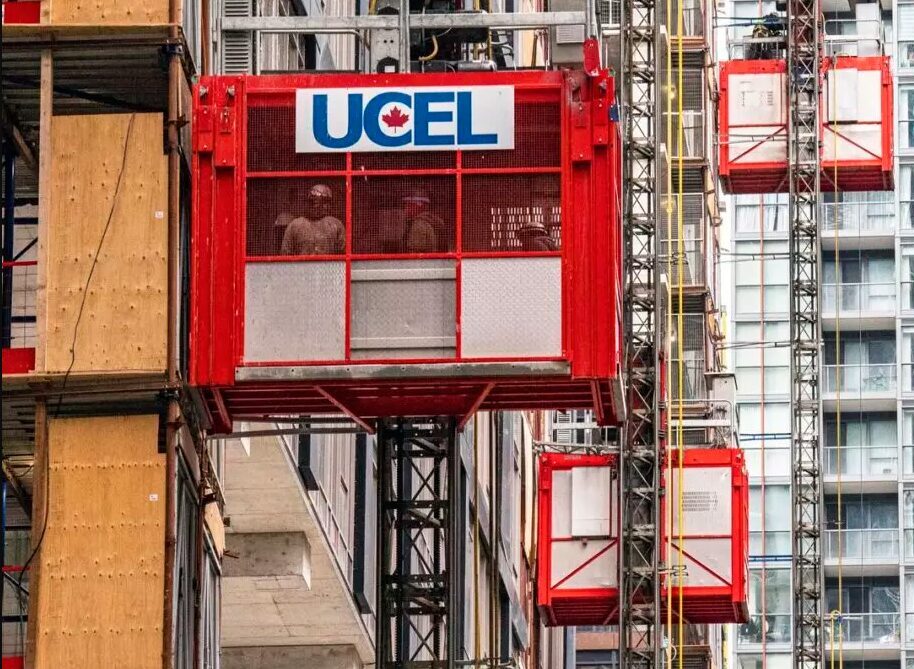
Delays in vertical transport quickly ripple through every phase of a build. Steel crews wait. Material staging backs up. Interior trades lose productive hours. Once schedules begin to slip, recovery becomes expensive and difficult. Securing dependable lifting support is not optional on mid-rise and high-rise projects across Canada.
For project managers evaluating where to rent construction elevators in Canada, the decision directly impacts productivity, compliance, and milestone performance. Choosing the right rental partner early can help ensure timelines remain stable rather than drift under avoidable pressure.
What Makes a Construction Elevator Rental Reliable?
Understanding where to rent construction elevators in Canada starts with defining reliability. A dependable rental solution must include engineered equipment suited to building height, load requirements, and workforce volume. Equipment should meet Canadian safety standards and include documented inspections before commissioning.
Reliable providers offer properly maintained systems with verified load ratings and clear installation procedures. Technical support availability is equally important. When evaluating where to rent construction elevators in Canada, service responsiveness, access to spare parts, and preventive maintenance programs must be part of the assessment.
Downtime during peak construction phases can stall multiple trades. A structured maintenance plan protects site continuity and prevents costly work stoppages.
How to Evaluate Construction Elevator Rental Providers in Canada
Contractors researching where to rent construction elevators in Canada should begin by reviewing the provider’s experience with large-scale and high-rise projects. Proven expertise in engineered mast systems, anchoring configurations, and phased height extensions demonstrates technical capability.
Regulatory compliance is another critical factor. Providers must align with provincial and federal safety regulations. Documentation for inspections, installation approvals, and operator guidance reduces the risk of stop-work orders.
When determining where to rent construction elevators in Canada, confirm that installation timelines align with structural milestones. Delays in commissioning can affect entire project sequences. Established suppliers coordinate engineering drawings, tie-ins, and inspection scheduling in advance to avoid disruption.
Finally, assess lifecycle support. Reliable rental partners provide structured service programs, technical troubleshooting, and scalable solutions if the project scope expands.
When to Secure Your Rental to Avoid Delays
Seasonal demand significantly influences availability. Peak construction months across Canada create high competition for quality equipment. Waiting too long to confirm where to rent construction elevators may limit access to properly configured systems.
Early booking allows sufficient time for engineering review, base preparation, and compliance checks. It also protects project budgets from last-minute pricing adjustments. Contractors who secure rentals before structural milestones gain operational stability and reduce schedule uncertainty.
Proactive planning prevents congestion during workforce surges and ensures continuous vertical movement when material flow intensifies.
Staying on Schedule Starts with the Right Rental Decision
Every missed deadline carries financial consequences. Evaluating construction elevator rental with urgency protects productivity, safety alignment, and budget control. Delayed decisions can restrict equipment options and compromise project momentum.
UCEL Inc. provides engineered construction hoist and elevator solutions designed for demanding Canadian job sites. Secure reliable performance before critical phases begin. Contact UCEL Inc. today to confirm availability and protect construction schedules from avoidable disruption.