
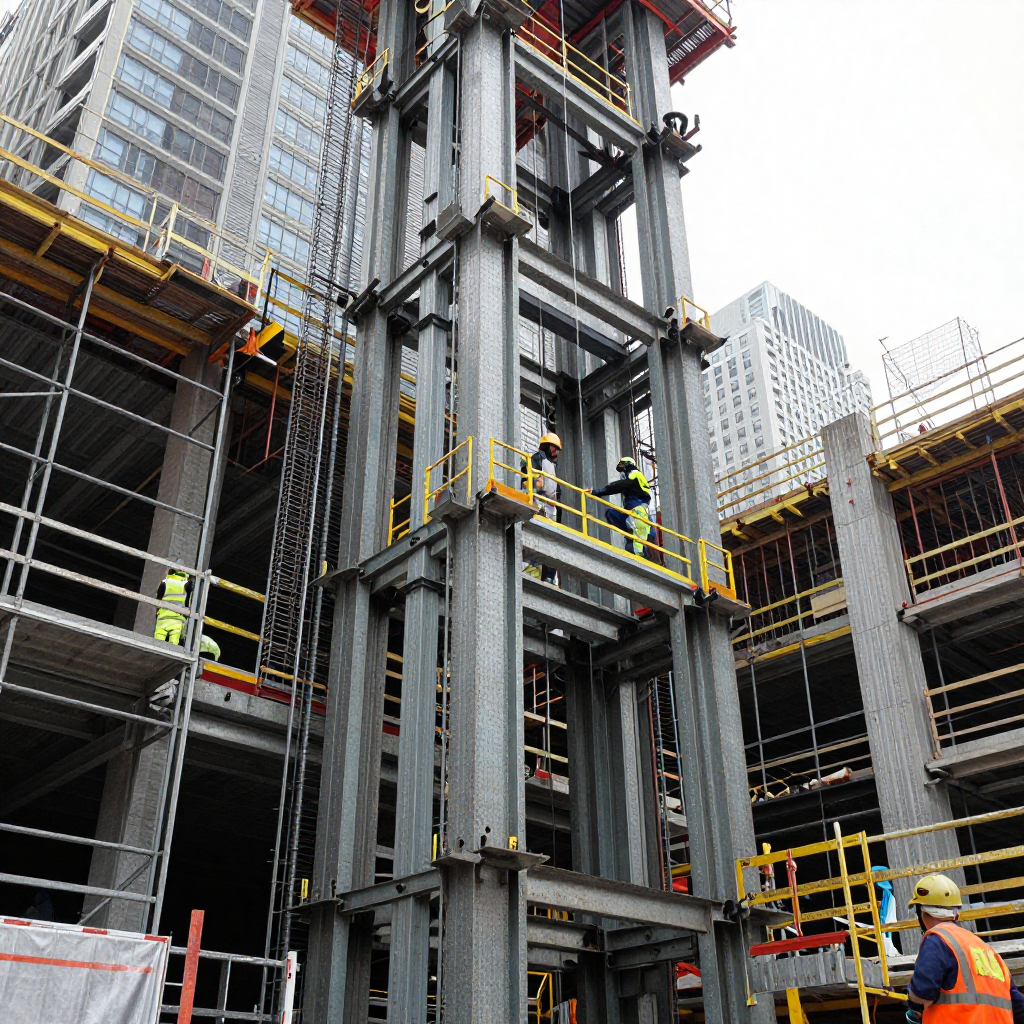
High-rise construction is advancing rapidly across Canada and the USA. Structural sequencing, façade installation, and interior trades rely on steady vertical access. When vertical transport is delayed or underspecified, labor productivity drops and coordination suffers. A properly selected rack and pinion elevator supports the predictable movement of materials and personnel from the earliest project phases.
Early planning determines whether the system performs under load, height, and schedule pressure. Contractors evaluating rack and pinion elevators before mobilization reduce mid-project redesigns, structural modifications, and costly downtime.
People Also Ask
What are the advantages of rack and pinion elevators on construction sites?
They provide consistent lifting power, high load capacity, and stable operation without reliance on traction cables, making them suitable for high-rise projects.
How early should rack and pinion elevators be planned in a project?
Planning should begin during structural design to ensure proper anchoring, load alignment, and regulatory compliance before installation.
How Rack and Pinion Elevators Work
A rack and pinion elevator operates through a motor-driven pinion gear that engages with a fixed rack mounted along the mast. As the gear rotates, the car climbs or descends the mast in a controlled manner. This direct mechanical engagement eliminates reliance on traction cables and counterweights.
Compared with traditional systems, rack and pinion elevators provide consistent lifting power across varying heights. The design supports heavy-duty construction environments where stability and precise control are critical. Understanding this mechanism helps contractors align equipment choice with project complexity.
Capacity and Configuration Considerations
Load requirements vary significantly between structural framing, curtain wall installation, and mechanical trades. A rack-and-pinion elevator must be specified based on peak material weight, crew size, and expected trip frequency. Undersized systems create bottlenecks that affect multiple trades.
Car dimensions, single- or twin-cage configurations, and rated speed all affect productivity. Many projects benefit from customized rack and pinion elevators configured for both personnel and material transport. Capacity planning should reflect actual job-site demand rather than minimum code thresholds.
Installation and Structural Planning
Structural coordination begins well before equipment delivery. Tie-in locations, mast anchoring points, and base foundation preparation determine long-term stability. A rack and pinion elevator requires engineered attachments to the building structure at calculated intervals.
Improper planning increases the risk of vibration, misalignment, and commissioning delays. Experienced suppliers ensure that rack and pinion elevators integrate seamlessly with structural design drawings and erection schedules.
Safety and Compliance Requirements
Construction sites in North America operate under strict provincial, state, and federal regulations. A rack and pinion elevator must comply with applicable safety standards, including emergency braking systems, overload protection, and interlocked landing gates.
Routine inspections and documentation are essential for ongoing compliance. Reliable rack and pinion elevators include redundant safety features designed to meet evolving regulatory requirements.
Maintenance and Support Planning
Operational uptime depends on preventive maintenance and responsive technical support. A rack and pinion elevator operating under continuous load requires scheduled inspections, lubrication, and component checks. Delayed servicing increases the likelihood of breakdowns during critical phases.
Partnering with suppliers who provide long-term support ensures that rack and pinion elevators remain aligned with site demands and production schedules.
Preparation Protects Your Timeline
Early evaluation, accurate capacity planning, and structured installation prevent schedule disruption. A carefully engineered rack and pinion elevator supports steady vertical transport from foundation to completion.
UCEL Inc. provides advanced vertical transport solutions designed for demanding construction environments across Canada and the USA. Secure reliable performance with a properly specified rack and pinion lift. Contact UCEL Inc. today to protect project timelines and maintain operational control.
Also read: Common Applications of Rack and Pinion Elevators in High-Rise and Industrial Projects