Heavy daily lifting is a constant reality across industrial environments in Canada and the USA. Production materials, finished goods, tooling, and machinery move vertically dozens or even hundreds of times per shift. When lifting systems are not designed for this level of intensity, the result is gradual equipment damage that often goes unnoticed until failure. Downtime, repair costs, and damaged assets quickly become recurring operational burdens.
These risks are closely tied to equipment choice. Systems built for light or occasional use cannot withstand sustained industrial demand. Industrial lifts engineered for heavy daily loads play a critical role in protecting both the transported equipment and the lifting system.
Understanding the Strain Industrial Loads Place on Lifting Systems
Industrial loads introduce repeated stress through weight, vibration, and impact. Each cycle adds force to drive components, guide systems, and structural frames. Over time, this stress accelerates metal fatigue, misalignment, and component wear.
Without proper reinforcement, lifting systems experience uneven loading, compromising reliability. Purpose-built industrial elevators are designed to safely absorb and distribute these forces throughout every cycle.
How Industrial Elevators Are Engineered for Heavy Daily Use
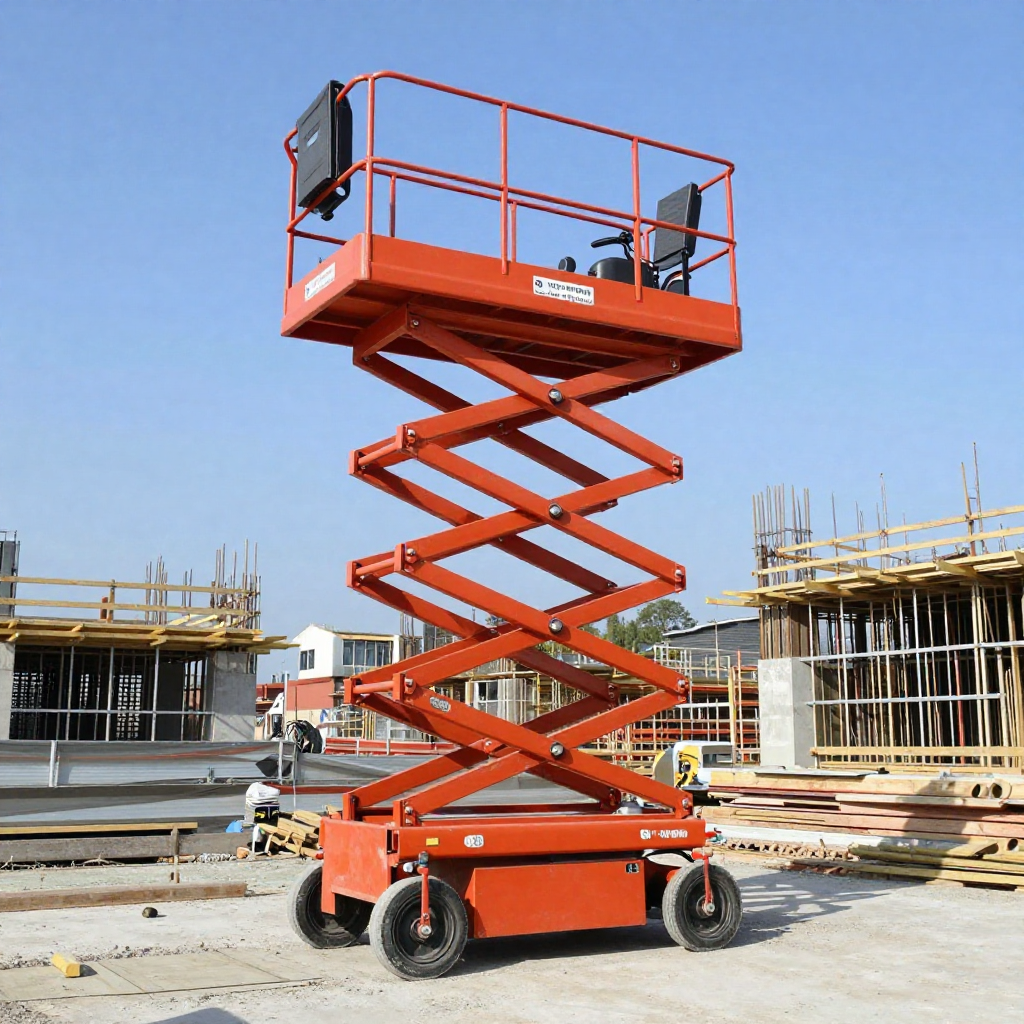
Heavy-duty lifting requires structural integrity at every level. Reinforced platforms, high-capacity drives, rigid guide rails, and controlled acceleration profiles define a true industrial lift. These systems are built to operate continuously without transferring excess force to sensitive components.
Engineering for daily use ensures predictable performance even during peak production periods, reducing mechanical shock and extending service life.
Preventing Wear and Damage to Sensitive Equipment
Many industrial loads include precision machinery, packaged products, or calibrated assemblies. Sudden starts, uneven leveling, or vibration can damage these assets during transport. Poorly matched lifts increase this risk.
A properly designed industrial lift provides smooth travel, accurate stops, and stable load support. This controlled movement protects both high-value equipment and materials throughout vertical transfer.
Key Safety and Protection Features in Heavy-Duty Industrial Elevators
Safety features in industrial systems go beyond compliance. Load monitoring, braking redundancy, controlled descent, and platform stability are essential for managing heavy cycles.
These protections ensure industrial elevators respond consistently under load, preventing sudden drops, overtravel, or stress-related failures that compromise equipment safety.
Why Standard Elevators or Improvised Lifts Cannot Handle Heavy Daily Loads
Standard commercial elevators are designed for people, not industrial throughput. Improvised lifting solutions often lack structural reinforcement and load management controls. Both options lead to premature wear and unpredictable performance.
Only a dedicated industrial elevator lift can support high-frequency operation without risking breakdowns or equipment damage.
Also read: How Industrial Lifts Boost Productivity in Large-Scale Shutdown Projects
Operational Benefits of Using Purpose-Built Industrial Elevators
Beyond protection, purpose-built systems improve workflow. Predictable cycle times, reduced maintenance interruptions, and consistent load handling support operational efficiency.
Facilities using industrial lifts experience fewer disruptions and better alignment between production schedules and material movement.
Industries That Rely on Industrial Elevators for Daily Heavy Load Cycles
Manufacturing, warehousing, energy, infrastructure, and processing facilities depend on continuous vertical transport. These sectors require lifting systems that perform reliably under repetitive stress.
In these environments, industrial elevators function as core infrastructure rather than auxiliary equipment.
How UCEL Industrial Elevators Deliver Reliability Under Constant Use
UCEL Inc. designs industrial lifting systems with durability as a foundational requirement. Structural reinforcement, precision engineering, and load-rated components ensure consistent performance under constant use.
UCEL solutions support industrial lifts that protect equipment while maintaining operational continuity across demanding applications.
Protect Equipment and Streamline Operations with the Right Industrial Elevator System
Equipment damage is often a symptom of inadequate lifting design rather than operational error. Choosing industrial elevators engineered for heavy daily loads reduces wear, protects valuable assets, and supports uninterrupted operations. UCEL Inc. delivers industrial lift systems built for reliability, safety, and sustained performance.
Contact us today to implement a lifting solution that meets daily industrial demands without compromise.