
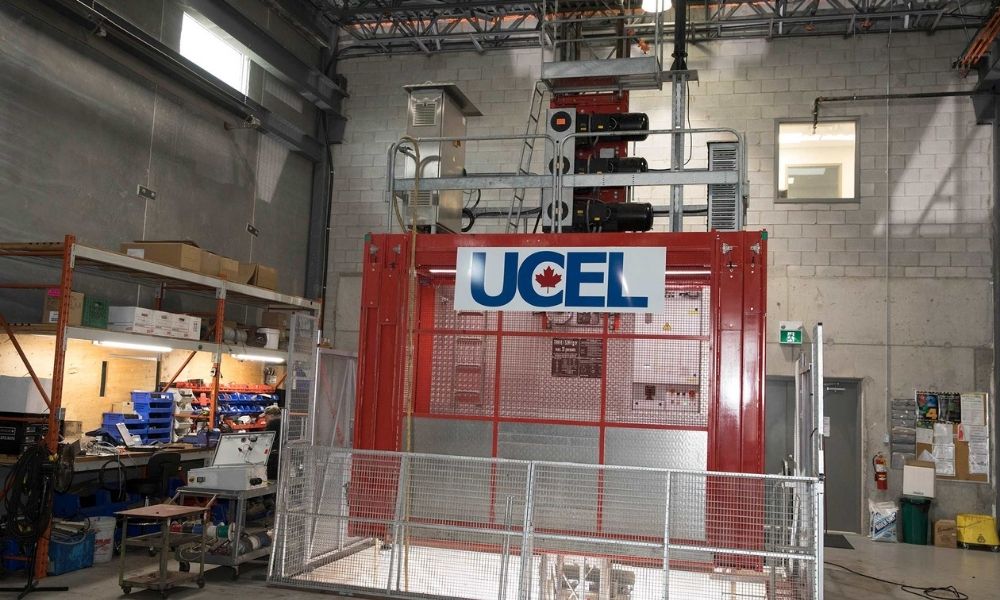
Site throughput defines how efficiently workers and materials move vertically throughout a construction project. Delays in vertical transport create bottlenecks, idle crews, and missed production targets, especially on mid- and high-rise sites where vertical travel consumes a significant portion of the workday. Selecting the wrong access system often results in congestion during peak hours and inconsistent movement across trades.
These challenges place personnel hoists and construction elevators at the center of throughput planning. Understanding how each system performs under real site conditions helps determine which option best supports sustained productivity and controlled vertical flow.
Understanding Site Throughput in Construction Projects
Throughput refers to the volume of personnel and materials that can move efficiently within a given time frame. Vertical access systems directly influence labor utilization, staging efficiency, and coordination between trades. Properly selected goods and personnel hoists or construction elevators reduce waiting time and improve schedule predictability.
What Are Personnel Hoists?
Personnel hoists are vertical transport systems designed primarily for moving workers and, depending on configuration, may have limited material-handling capability. These systems are commonly installed externally and operate along mast or tower structures. Goods and personnel hoists combine worker transport with light material movement, offering flexibility for mixed-use access.
What Are Construction Elevators?
Construction elevators are high-capacity vertical transport systems engineered to move large volumes of personnel and materials simultaneously. These systems typically feature larger cars, higher speeds, and advanced control logic. Construction elevators are designed to support continuous traffic during demanding construction phases.
Key Throughput Factors That Impact Vertical Transport
Throughput is influenced by car size, load capacity, travel speed, stop frequency, and dispatch logic. Queue management and peak-hour demand also play a critical role. Both personnel hoists and construction elevators must be evaluated against these factors to determine their actual throughput capability.
Personnel Hoists: Throughput Strengths and Limitations
Personnel hoists perform well in projects with moderate worker volumes and predictable access patterns. Their strengths include controlled access and simplified installation. However, limited car size and lower load capacity can restrict throughput during peak shift changes or material-intensive phases.
Construction Elevators: Throughput Strengths and Limitations
Construction elevators excel in high-traffic environments. Larger cabins and higher operating speeds allow more workers and materials to move per cycle. The primary limitation is higher upfront planning and integration requirements, which must align with overall site logistics.
Peak-Hour Performance Comparison
Peak periods place the greatest strain on vertical access. Personnel hoists often experience congestion during shift start and end times. Construction elevators handle peak loads more efficiently by reducing trip frequency and minimizing wait times.
Load Capacity and Car Size Impact on Throughput
Car size directly affects throughput per trip. Goods and personnel hoists typically carry fewer occupants or materials per cycle. Construction elevators move higher volumes per trip, reducing the total number of cycles required each hour.
Speed, Stops, and Control Logic
Speed consistency and intelligent dispatch improve flow. Personnel hoists often stop at multiple levels per trip, slowing overall movement. Construction elevators use optimized stop sequencing and control logic to maintain steady throughput.
Labor Productivity Implications
Vertical delays reduce productive labor hours. Crews waiting for access lose time that cannot be recovered. Systems that support consistent movement, whether personnel hoists or construction elevators, directly influence daily output and trade coordination.
Safety and Compliance Considerations That Affect Throughput
Safety procedures affect operational speed. Frequent inspections, controlled loading, and regulated stops are required for both systems. Properly maintained goods and personnel hoists, as well as construction elevators, support safe operation without unnecessary delays.
Cost vs Throughput Trade-Offs
Lower-capacity systems may reduce initial costs but increase labor inefficiency. Higher-capacity systems improve throughput but require greater upfront investment. Throughput-focused planning balances equipment cost against productivity gains.
Project Type Comparison
Low- to mid-rise projects with limited traffic often benefit from personnel hoists. High-rise, multi-trade projects typically require construction elevators to support sustained throughput demands.
When Personnel Hoists Are the Right Choice
Personnel hoists are effective when the workforce is moderate in size, material movement is limited, and access schedules are controlled. These systems align well with phased or segmented construction plans.
When Construction Elevators Deliver Higher Throughput
Construction elevators deliver higher throughput on projects with dense labor presence, frequent material transport, and extended operating hours. Their capacity and speed support continuous vertical flow.
Common Throughput Mistakes Contractors Make
Common errors include underestimating peak demand, oversimplifying access planning, and delaying system upgrades. Misaligned equipment selection often limits throughput regardless of workforce size.
How to Choose the Right System Based on Throughput Needs
Choosing between personnel hoists and construction elevators requires evaluating workforce volume, material flow, building height, and peak traffic periods. Throughput modeling ensures that the selected system matches real-site behavior.
Throughput Is a Planning Decision, Not an Equipment Afterthought
Throughput directly affects safety, productivity, and project timelines. Selecting the right vertical access system early prevents congestion and lost labor hours. Proper planning ensures goods and personnel hoists or construction elevators align with actual site demands.
UCEL Inc. provides engineered vertical access solutions designed to support high-throughput construction environments across Canada and the USA.
For projects evaluating new systems or used personnel material hoists, connect with UCEL Inc. to plan vertical transport that supports sustained site performance.