
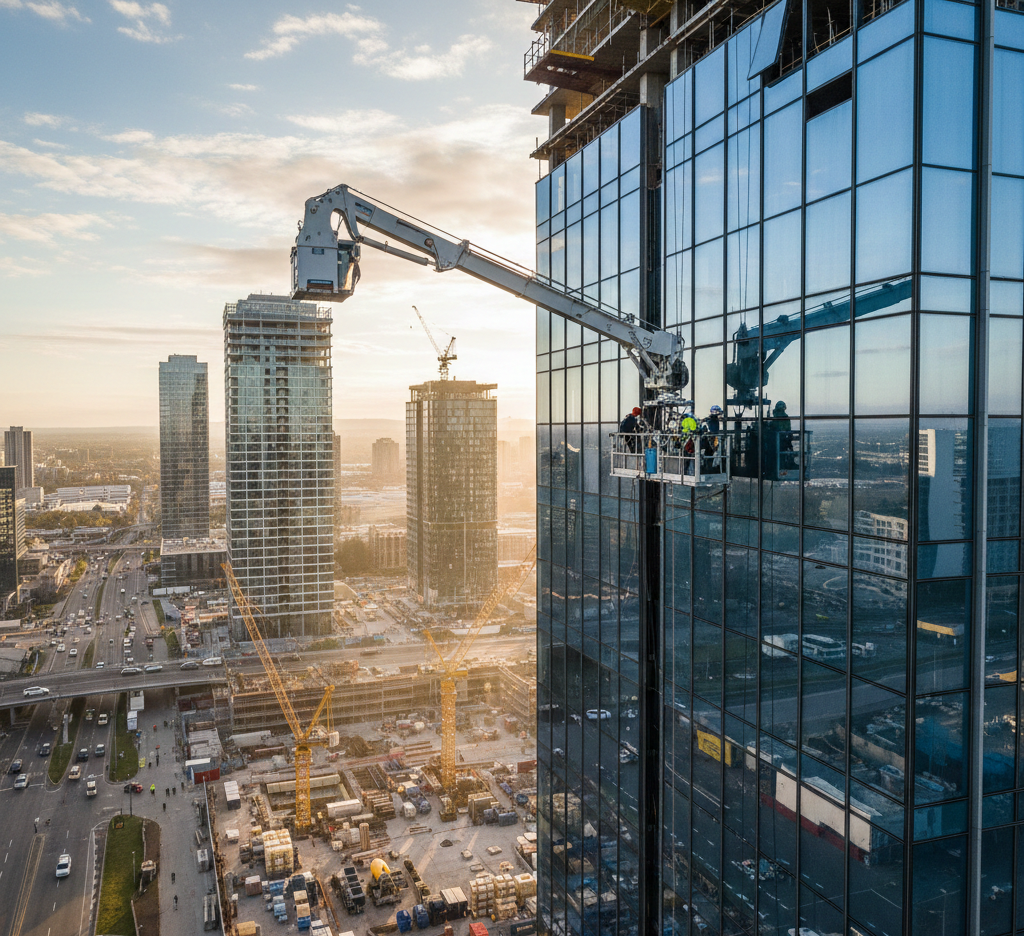
High-rise buildings across Canada and the USA rely on complex safety systems to keep operations running smoothly. Among the most critical of these systems are building maintenance units, the engineered platforms, davits, monorails, and suspended access systems that allow workers to maintain façades, clean windows, repair exterior features, and conduct essential safety inspections. When these units are used daily, their wear cycle accelerates, yet many buildings continue to operate them without up-to-date certification.
Ignoring certification doesn’t simply increase the risk of an equipment malfunction. It exposes property owners and managers to legal penalties, financial losses, safety hazards, and long-term liability. Regulatory bodies take BMU oversight seriously because a single incident in a suspended platform can result in severe injury, operational shutdowns, or structural damage. This makes certification a non-negotiable requirement for every building equipped with façade access technology. At the first sign of unresolved maintenance issues, a certified inspector can determine whether the system remains safe for ongoing use. For this reason, buildings cannot afford to overlook updates, inspections, or compliance requirements tied to building maintenance units.
Understanding BMU Certification and Why It’s Required
Certification ensures that a BMU is structurally sound, mechanically reliable, properly anchored, and safe for workers operating at height. A certified engineer or qualified technician verifies whether the system meets engineering codes, national safety frameworks, and regional building regulations. Certification applies to all components, including hoists, cradles, davit bases, davit arms, monorails, tiebacks, winches, tracks, cables, electrical systems, and emergency brakes.
Regulators require certification because BMUs are exposed to severe operational conditions. Temperature swings, constant vibration, heavy loads, and outdoor environments all strain components over time. Without documentation of compliance, authorities cannot confirm whether a system is safe to operate. Certification protects building owners, workers, contractors, and insurers by establishing that the system can perform its intended function without posing unreasonable risk.
Building maintenance unit manufacturers also design BMUs to meet specific codes, including CSA, OSHA, ASME, and applicable regional requirements. Certification ensures the installed system aligns with the manufacturer’s intended use, engineering limits, and operational guidelines. When changes occur, such as building modifications, retrofits, or façade alterations, certification becomes even more essential.
The Real-World Risks of Operating an Uncertified BMU System
Using an uncertified BMU introduces immediate operational risks. A malfunction during use may cause platform instability, uneven lifting, sudden stops, or uncontrolled descent. Workers suspended hundreds of feet above ground must completely trust the system; any sign of mechanical stress places them at risk. Uncertified equipment may have hidden corrosion, worn gears, damaged motors, frayed cables, or weakened anchor points that only a certified inspection can detect.
Uncertified systems can also fail when handling load-bearing tasks. Without updated load-testing verification, the equipment may exceed its structural limits, compromising building surfaces. Additionally, an uncertified system may experience electrical issues, such as faulty wiring or outdated control panels, increasing the likelihood of unexpected shutdowns during operation.
Beyond the mechanical risks, uncertified BMUs jeopardize building operations. Contractors may refuse to work on uncertified equipment, delaying façade cleaning, inspections, repairs, and safety upgrades. Insurance providers may deny claims if an incident involves uncertified machinery. Property managers may face tenant complaints when exterior work must be halted until the system is brought back into compliance.
How Non-Compliance Impacts Building Owners and Managers
Non-compliance affects operational efficiency, public reputation, budget forecasting, and liability exposure. Fines for uncertified BMUs can multiply when inspections reveal repeated violations. Building owners may also face stop-work orders that halt façade access until full certification is achieved.
Tenants expect clean, safe, and well-maintained buildings. When BMU-related tasks cannot be completed, building façades deteriorate faster. Leaks go unrepaired, sealants fail, and window cleaning schedules fall behind. Ultimately, maintenance backlogs grow, leading to higher long-term repair costs.
Additionally, owners and managers may face legal exposure if an incident involving uncertified equipment occurs. Regulatory investigations scrutinize whether required certifications, inspections, and engineering reports were maintained. When documentation is missing, liability increases significantly.
Common Reasons BMU Certification Is Overlooked
Building teams often overlook certification because BMUs appear functional. These systems typically operate without obvious issues for years—until they don’t. Visual inspections alone miss internal wear, especially in mechanical assemblies, load-bearing structures, and electrical components.
Other common reasons for missed certifications include:
- Budget reallocation or cost-saving decisions
- Misunderstanding regulatory requirements
- Insufficient maintenance staffing
- Lost documentation during management turnover
- Assumptions that older systems do not require annual checks
- Scheduling conflicts during busy operational seasons
However, building maintenance unit manufacturers recommend annual certification or certification as required by regional code, emphasizing that age is not the only factor. Operating hours, weather exposure, building height, and load frequency all affect inspection requirements.
How Often Must BMU Systems Be Inspected and Certified
Most jurisdictions require annual inspection and certification of BMU systems, with more frequent checks for heavily used or high-rise structures. Load testing is often needed every 3–5 years, though local regulations may mandate shorter intervals depending on building type and usage patterns.
Certification checks include:
- Structural integrity of davits, rails, anchors, and tiebacks
- Functional verification of hoists, brakes, and descent systems
- Electrical system diagnostics
- Cable and rope condition assessment
- Platform structural checks
- Redundant safety mechanisms
- Control panel accuracy and calibration
- Corrosion analysis
- Environmental damage evaluations
Inspectors review architectural changes to the building, as modifications can impact load distribution or BMU anchorage.
The Financial Fallout of Ignoring Certification
Ignoring certification creates predictable and avoidable financial consequences. Fines, fees, and reinspection costs quickly add up. Emergency repair requests are significantly more expensive than scheduled maintenance. If a BMU fails unexpectedly, the building may need temporary access solutions such as swing stages or aerial lifts, which carry higher rental fees and lower efficiency.
Incidents involving uncertified systems may trigger extensive legal reviews. Insurance companies may deny coverage, leaving property owners responsible for damages. Additionally, a lack of certification can significantly reduce asset value, making building operations less appealing to tenants and investors.
A shutdown due to non-compliance affects contractor timelines, cleaning schedules, and façade restoration projects. Delays often cause cost overruns for both building management and external vendors.
The Safety and Operational Benefits of a Certified BMU System
A certified BMU operates predictably, ensuring safe access for workers and consistent performance across maintenance cycles. Certification verifies that hoists lift uniformly, brakes engage correctly, and platforms remain stable during suspended work. It also confirms that tieback systems, davits, and anchors meet structural load requirements.
Certification improves reliability and reduces long-term costs by identifying wear before it becomes dangerous. With scheduled servicing, components last longer, and unexpected failures become rare. Workers gain confidence knowing the system has passed rigorous safety evaluations, while building owners maintain compliance with national standards.
How UCEL Inc. Ensures BMU Compliance and Safety
UCEL Inc. provides comprehensive testing, certified servicing, and engineering evaluations for building maintenance units across Canada and the USA. Technicians inspect mechanical assemblies, analyze structural alignment, conduct load testing, and verify operational controls. Our approach ensures every BMU system meets regulatory, engineering, and manufacturer standards.
UCEL Inc. also offers:
- Preventive maintenance programs
- Certification documentation
- Component repair and replacement support
- Safety audits and engineering reviews
- System modernization recommendations
This ensures buildings stay compliant, safe, and operational year-round.
To learn more about how BMU supports vertical safety, read our blog here.
Don’t Wait for an Inspection Notice to Take Action
Ignoring BMU certification puts buildings, workers, and owners at unnecessary risk. UCEL Inc. supports full compliance with certified inspections and dependable servicing for BMU systems.
Contact UCEL Inc. today to schedule a BMU compliance assessment and protect your building from costly downtime, fines, and safety risks.