
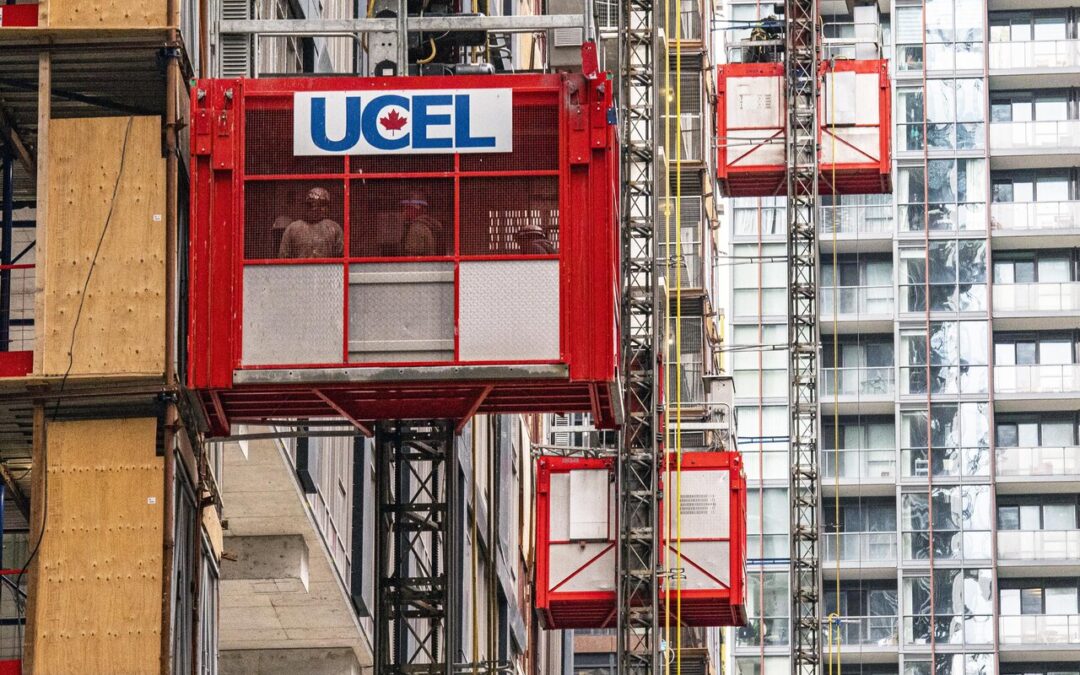
Construction sites across Canada and the USA rely on consistent vertical transport to move workers safely and efficiently. When any part of the lifting system is overlooked, the entire project faces risks that can escalate quickly. Undetected mechanical stress, age-related wear, and improper installation often remain hidden until they cause severe delays or safety incidents.
These challenges are especially critical for systems designed to carry people. This is where personnel hoists require close attention, detailed inspections, and modern safety features that prevent structural or operational failures.
Understanding Personnel Material Hoists and Their Role in Construction
Personnel hoists support crews working across multiple levels by providing a controlled and secure means of access. Many sites depend on goods and personnel hoists to transport both workers and materials, keeping timelines steady and reducing congestion around temporary access points.
The Appeal of Pre-Owned Hoists — Lower Cost, Higher Risk?
Pre-owned lifting units are cost-effective. However, older systems often feature outdated safety mechanisms, worn structural components, and incomplete maintenance records. These missing details increase the likelihood of unexpected issues.
To learn more about the advantages of renting used personnel material, read our blog here.
The Real Costs of Using Aging or Non-Certified Equipment
Aging hoists may fail load tests, require frequent repairs, or cause project stoppages. Non-certified equipment introduces liability risks and potential non-compliance with regional codes. Even minor defects can lead to significant operational challenges.
Advantages of Investing in New Personnel Material Hoists
Newer models integrate advanced safety devices, smoother control systems, and stronger load-handling mechanisms. Investing in updated goods and personnel hoists reduces downtime and supports safer movement during high-traffic work phases.
Comparing ROI: Pre-Owned vs. New Models
While pre-owned units seem budget-friendly, cumulative repair costs quickly offset initial savings. New hoists deliver a predictable lifespan, lower maintenance requirements, and dependable performance, supporting tighter construction schedules.
Safety and Compliance: The Non-Negotiables
Certified systems follow CSA, ANSI, and local safety requirements. Newer hoists meet current regulations and testing standards, helping prevent inspection failures. Compliance also reduces liability, especially for structures that require regular audits and safety documentation.
The Maintenance Factor: Predictability vs. Uncertainty
A well-maintained hoist delivers consistent performance. Pre-owned units often lack clear records, increasing the risk of mechanical surprises. New installations allow predictable maintenance planning supported by manufacturer guidelines.
Making a Smart Investment Decision
The most substantial investment prioritizes safety, efficiency, and long-term dependability. Newly manufactured hoists provide the operational confidence required for demanding jobsite conditions. They also help maintain steady workflows during peak construction stages.
Invest Once, Build Safely with UCEL Inc.
Modern construction environments demand lifting systems that protect crews, reduce downtime, and meet strict regulatory expectations. UCEL Inc. supplies dependable solutions designed for today’s high-performance requirements. Strengthen site safety and operational efficiency with hoists that outperform older or used personnel material hoists.
Contact UCEL Inc. today to select certified lifting systems that support safe, productive work sites.