
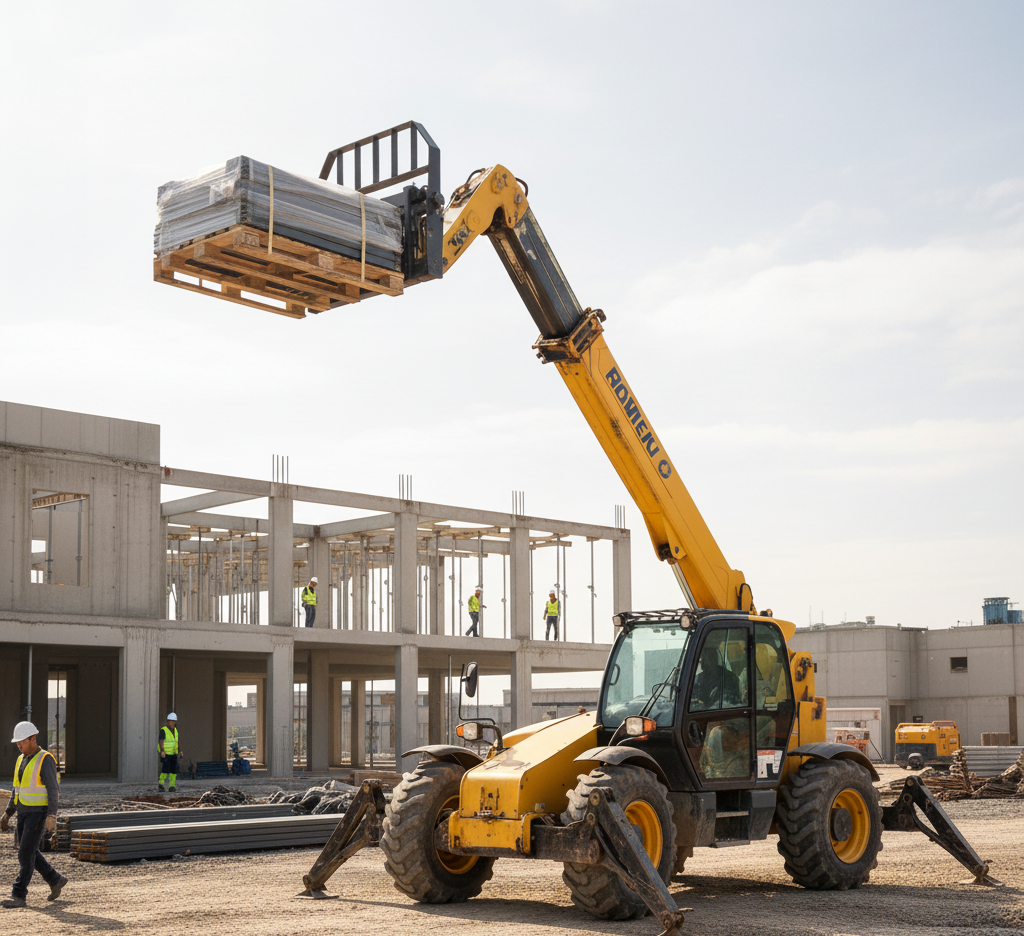
Construction sites in Canada and the USA face tighter deadlines, heavier loads, and increasing safety expectations. Delays caused by manual lifting or outdated hoisting equipment often lead to cost overruns, operational hazards, and unnecessary downtime. Projects that depend on inconsistent or improvised lifting methods fall behind quickly.
A safer, more controlled approach begins with the material lift, a reliable vertical transport system designed to handle materials across multi-level work zones efficiently. This system is foundational to safety, productivity, and streamlined movement on any active site.
What Is a Material Lift Elevator and How Does It Work?
A material lift elevator is a vertical transport system engineered to move construction materials securely between floors. It operates on a guided mechanism supported by robust structural components, delivering consistent lifting performance. Unlike traditional hoists, these units offer greater stability, improved control, and safer loading operations.
The Hidden Costs of Not Using a Material Lift Elevator
Skipping a material elevator introduces financial risks. Manual lifting increases labour hours, delays installation timelines, and heightens injury rates. Accidents, damaged supplies, and unforeseen equipment downtime add avoidable expenses. A dedicated lift prevents these setbacks.
Safety First: How Material Hoists Improve Worker Protection
A material elevator minimizes the physical strain tied to manual handling. It reduces congestion around temporary stairways and helps crews maintain safe distances from hazardous lifting points. Controlled loading zones and guarded platforms support safer operations on height-sensitive projects.
Speed, Efficiency, and Productivity Gains
Consistent vertical movement accelerates task sequencing. Crews receive materials on time, subcontractors stay aligned, and productivity improves across shifts. A site supported by a material elevator eliminates bottlenecks that slow down framing, mechanical installation, and structural work.
Modern Design Innovations in Material Lift Elevators
Today’s systems offer enhanced load capacities, improved braking mechanisms, advanced control panels, and reinforced lift cages. These design upgrades support smoother lifting cycles and better protection for materials during transport.
Compliance and Certification: Why It Matters
Compliance with CSA, ANSI, and local site regulations ensures that the material lift elevator performs safely in demanding construction settings. Certified systems help reduce inspection failures and keep projects aligned with national safety requirements.
Long-Term ROI: More Than Just a Lift System
A material elevator cuts operational delays, lowers injury-related costs, and reduces equipment damage. Its long-term value lies in smoother workflows, fewer disruptions, and greater safety consistency across all project phases.
Choosing the Right Material Lift Elevator for Your Project
Site height, material volume, expected traffic, and structural layout determine the ideal lift. Partnering with a trusted provider ensures access to durable systems designed for real-world construction challenges.
Don’t Let Outdated Lifting Hold You Back
A reliable material elevator strengthens site safety, improves workflow, and supports long-term operational gains. UCEL Inc. delivers dependable solutions built for demanding environments across Canada and the USA. Act now and secure a material handling lift that keeps projects moving with confidence.
Contact UCEL Inc. today for professional guidance and dependable vertical lifting systems.
Also read:
Key Safety Training Requirements for Operators of Man Hoists and Construction Elevators