
Common Safety Features in Modern Rack and Pinion Lifting Systems
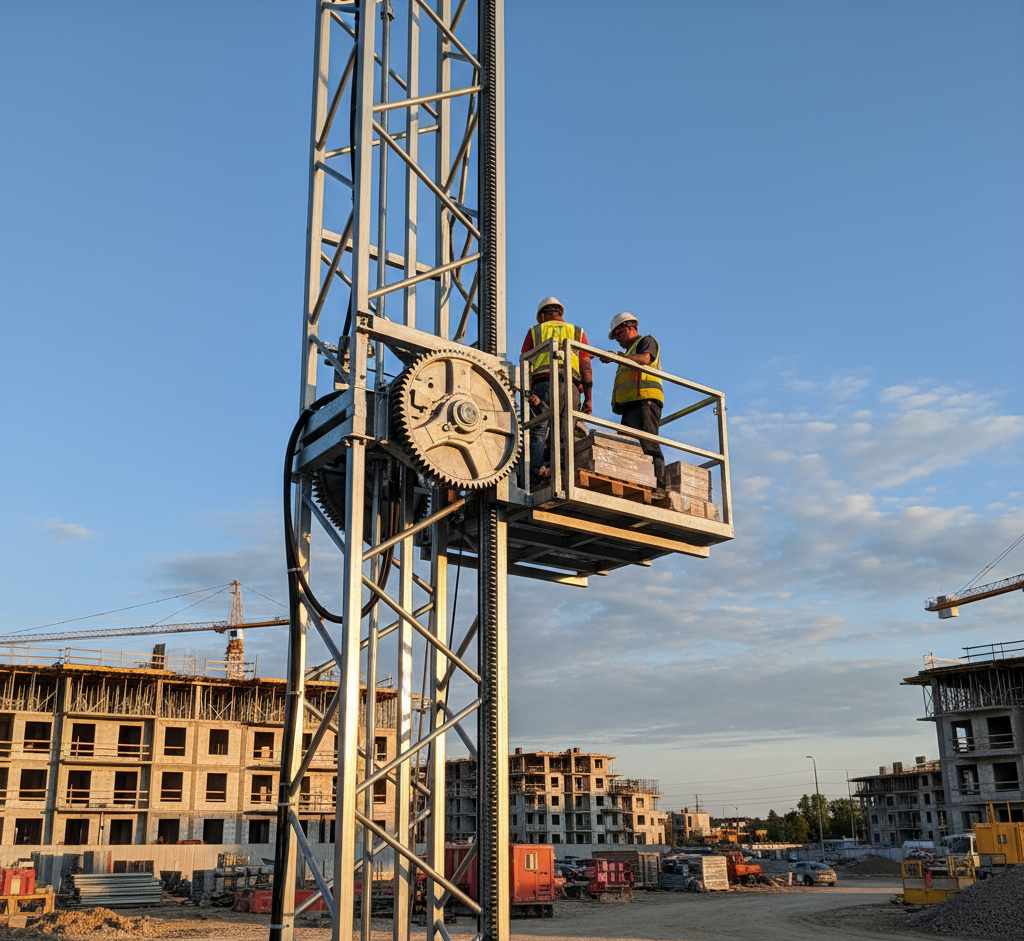
Every modern industry that relies on vertical transportation systems treats safety as the top priority. Whether it is construction, energy, or manufacturing, any form of vertical movement demands machines engineered for reliability and control. Among such innovations, the rack and pinion lift has emerged as a trusted option for dependable and secure lifting. Its gear-driven design offers both technological precision and mechanical stability, minimizing the risks typically associated with cable-based hoists and ensuring uninterrupted, safe operations across heights.
This gear-based lifting technology dominates industrial sectors throughout Canada and the USA, offering unmatched performance even in demanding conditions. The rack and pinion elevator is now synonymous with safety and efficiency, as its design naturally integrates protective mechanisms such as mechanical brakes, overspeed regulators, load sensors, and interlock systems. These features collectively guarantee worker protection and prevent equipment failure during everyday operation or emergencies.
Understanding Rack and Pinion Lifting Systems
A rack and pinion elevator operates through a simple yet robust concept. The system uses a motorized pinion gear that meshes directly with a fixed rack installed vertically along the mast tower. When the motor activates, the rotary motion of the pinion drives the elevator car up or down along the rack’s teeth.
This direct-drive configuration offers several safety benefits. It removes the need for cables, pulleys, or counterweights that can wear down or snap under stress. Furthermore, in case of power failure, the mechanical engagement between the gear and rack prevents free fall, securing both passengers and cargo.
Rack and pinion systems are popular in industrial plants, construction projects, and maintenance operations due to their adaptability. They can be customized to transport personnel, materials, or both. Because the drive mechanism is simple yet strong, these lifts can withstand harsh conditions such as extreme cold, dust, or moisture common in Canadian and American worksites.
Importance of Safety in Rack and Pinion Lift Design
Safety in every rack and pinion lift stems from the integration of intelligent design and mechanical safeguards. Because these systems often move at considerable speed, developers focus on preventing overspeed, uncontrolled descent, and overload conditions.
Manufacturers like UCEL Inc. emphasize dual redundancy in their engineering. A typical rack-and-pinion system includes both active and passive safety layers. If an electrical failure occurs, the mechanical brake automatically engages. If excessive load or imbalance is detected, the lift halts automatically, protecting both personnel and components. Such meticulous design principles ensure continued compliance with CSA and OSHA safety requirements across North America.
Mechanical Safety Brakes and Overspeed Governors
Among the most crucial safety measures in rack and pinion elevators are mechanical brakes and overspeed governors. Safety brakes automatically engage in emergencies—stopping the elevator even if the power fails or the motor malfunctions. Overspeed governors continuously monitor the elevator’s speed. The moment the cabin surpasses its safe operational speed, these devices immediately engage the braking system.
Most manufacturers require biannual tests to ensure proper activation and performance. The integration of separate braking systems, independent of the gear motor, guarantees control even in total drive failure situations. Moreover, automatic lubrication systems within these brakes maintain consistent friction levels, ensuring quick stopping under any condition.
Load Sensors and Overload Protection Systems
Overload protection mechanisms prevent one of the most common risks in lifting operations—excessive weight. Load sensors within a rack-and-pinion elevator continuously measure carrying capacity. The system electronically stops operation the instant the load exceeds the defined limit.
This not only keeps the elevator within its structural capacity but also prevents strain on electrical motors and gear assemblies. Some UCEL models feature real-time digital displays that help operators monitor weight distribution and ensure even loading before activation. These embedded load safety systems enhance both performance and equipment longevity.
Door Interlocks and Safety Gates
Safety gates and interlock doors serve as crucial barriers that prevent accidental access during lift operation. In modern rack and pinion construction elevators, these components feature electrical interlocks that only release when the cabin reaches its designated floor position and completely stops.
This feature prevents both personnel and materials from accidentally entering or exiting the lift while it’s in motion. Additionally, these protective gates eliminate the risk of falls or entrapment, creating a secure environment at every loading and unloading point. In industrial applications, the combination of steel mesh doors and mechanical interlocks offers extra durability and compliance with OSHA’s fall-protection mandates.
Emergency Stop Controls and Power Backup Systems
Emergency stop switches offer operators immediate control over movement. Installed both inside the car and at ground control panels, these buttons quickly disconnect power to the motor, halting all motion in emergencies such as system failure or obstruction.
Power continuity is also crucial. Backup systems in rack and pinion lifts often feature uninterruptible power supplies or secondary power connections, ensuring controlled descent rather than free fall. Some units also use variable frequency drive (VFD) technology, which enables gentle acceleration and deceleration, reducing mechanical stress and making sudden stops less jarring.
During power outages, built-in manual descent modes engage, allowing safe return to ground level at a carefully governed speed. In remote or critical job sites such as refineries, this feature is indispensable.
Limit Switches and Positioning Sensors
Limit switches determine how far the lift can travel vertically. When the cabin reaches its endpoint—either top or bottom—the switch cuts off the control circuit, preventing over-travel and potential mast impact.
Complementing these, digital positioning sensors improve floor-level accuracy and ensure perfectly aligned stops. In high-rise construction sites, precision matters not only for safety but also for operational efficiency. Many UCEL rack and pinion elevators now include programmable logic controllers (PLC) for synchronizing cabin stops to specific floor levels, thus minimizing landing mismatches and guaranteeing safe transitions.
Enclosed Cabins and Structural Stability Features
The cabin enclosure serves as a vital first line of protection. Constructed from high-strength steel panels or perforated metal sheets, enclosed cabins protect operators from external hazards such as falling objects or debris.
Furthermore, mast sections are modular and self-supporting, maintaining rigid alignment through bolted joints and frame anchors. Reinforced cross-braces enhance torsional stability, ensuring smooth vertical travel even in windy or uneven conditions. The cabin often integrates non-slip flooring, handrails, and anti-vibration mounts, making travel both safe and comfortable for workers.
These design features improve overall structural stability, allowing rack and pinion systems to remain effective in extreme North American environments.
Regular Maintenance and Inspection Protocols
Routine inspection plays a central role in maintaining long-term safety. Manufacturers recommend maintenance checks at least twice per year, although heavily used construction hoists may need quarterly inspections.
Key steps during inspection include examining gear teeth for wear, verifying lubrication levels, testing emergency brakes, checking wiring integrity, and ensuring all interlock mechanisms work as intended. Drop tests, as required under CSA standards, confirm that overspeed protection activates properly when needed.
Maintenance teams also track components’ service life—typically three to four years for primary safety devices before replacement—to ensure consistent functionality over time. UCEL Inc. integrates mandatory inspection schedules into its after-sales service programs to maintain CSA and OSHA compliance across all installations.
Compliance with CSA and OSHA Regulations
In North America, all industrial lifting systems must adhere to strict compliance protocols. Each rack and pinion elevator must undergo inspection and certification under CSA (Canada) or OSHA (USA) regulations before deployment.
CSA B44 standards detail performance benchmarks for braking torque, load testing, fall-prevention devices, and emergency electronics. OSHA further mandates annual evaluations and documentation of inspections. UCEL’s products are tested against these standards to ensure maximum conformity before entering service, making them a preferred choice for industries that cannot compromise on safety.
Regulatory compliance extends to documentation as well. Each elevator includes manuals covering wiring diagrams, calibration procedures, and re-certification intervals—allowing operators transparency and traceability during audits and maintenance reviews.
Variable Frequency Drives and Energy-Control Systems
Modern systems integrate VFD (Variable Frequency Drive) technology to ensure smooth performance and enhanced safety. This system controls motor torque and speed gradually, avoiding sudden jerks at startup or shutdown. It also lowers stress on the gearbox and reduces the risk of overloading.
By moderating electrical current in stages, VFDs prevent overheating during frequent startups—an essential safety and efficiency improvement for industrial applications. In addition, the system minimizes wear on mechanical and electrical components, extending the elevator’s operational lifespan while promoting sustainable energy use.
Weather Resistance and Environmental Safety
Because rack and pinion elevators are commonly exposed to harsh outdoor environments, corrosion resistance and weather safety are prioritized during design. Most systems feature galvanized steel structures and sealed electrical panels that protect against dust, water, and cold-induced brittleness.
In the Canadian climate, anti-icing coatings and reinforced bearings prevent operational delays caused by freezing conditions, while heat-treated gears maintain lubrication viscosity in sub-zero temperatures. These structural and material improvements preserve safety integrity regardless of climate or exposure.
Safety and Performance Go Hand in Hand with UCEL Inc.
A rack and pinion lift is more than just a vertical transportation system—it is a safety innovation built to protect both workers and machinery. Every design element, from overspeed governors to interlock gates, reflects a commitment to reliability and prevention. When paired with certified compliance and regular maintenance, these elevators deliver uncompromised safety in every project.
UCEL Inc. continues to lead the North American market with cutting-edge rack and pinion elevators that blend mechanical strength and intelligent safety. Reliable, compliant, and engineered for challenging industrial conditions, UCEL’s systems empower businesses to achieve safety excellence while maintaining productivity.
To experience secure, efficient, and modern vertical access tailored to every project’s needs, contact UCEL Inc. today—where safety and performance truly go hand in hand.