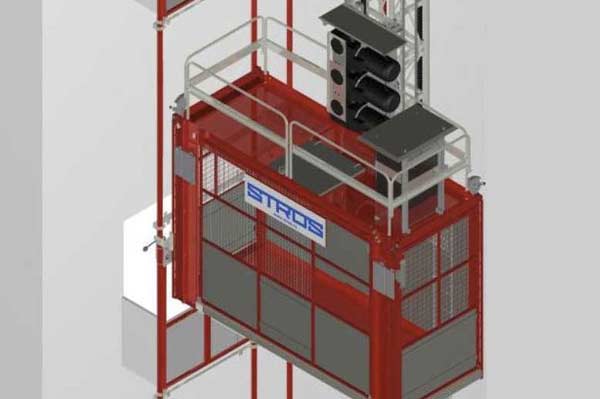
Modern construction projects rely heavily on efficient vertical transportation systems to move workers, materials, and equipment safely throughout active job sites. As buildings become taller and construction schedules more demanding, contractors increasingly depend on advanced lifting systems to maintain productivity and reduce operational delays.
Choosing the right construction elevator plays a major role in improving project efficiency, supporting worker safety, and streamlining daily site operations. From high rise towers and industrial facilities to renovation projects and infrastructure developments, construction hoists and elevators have become essential for modern construction environments.
People Also Ask
What is a construction elevator used for?
A construction elevator is used to transport workers, materials, and equipment vertically throughout active construction sites. These systems improve productivity and support safer job site operations on multi level projects.
What is the difference between a construction hoist and an elevator?
A construction hoist elevator is a temporary lifting system designed specifically for construction environments, while permanent elevators are part of the completed building infrastructure.
What types of construction hoists are commonly used?
Common hoisting systems include passenger hoists, material hoists, and combined personnel and material transport systems used across different construction applications.
How do contractors choose the right construction hoist?
Contractors evaluate factors such as lifting capacity, building height, site layout, installation requirements, and safety regulations when selecting a hoisting system for a project.
What is a Construction Elevator
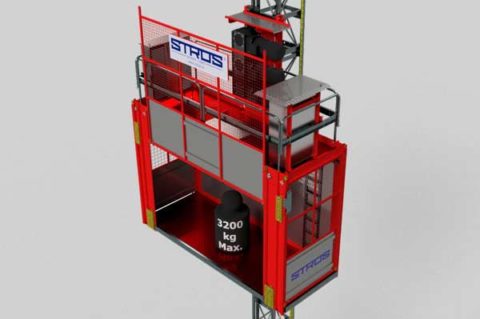
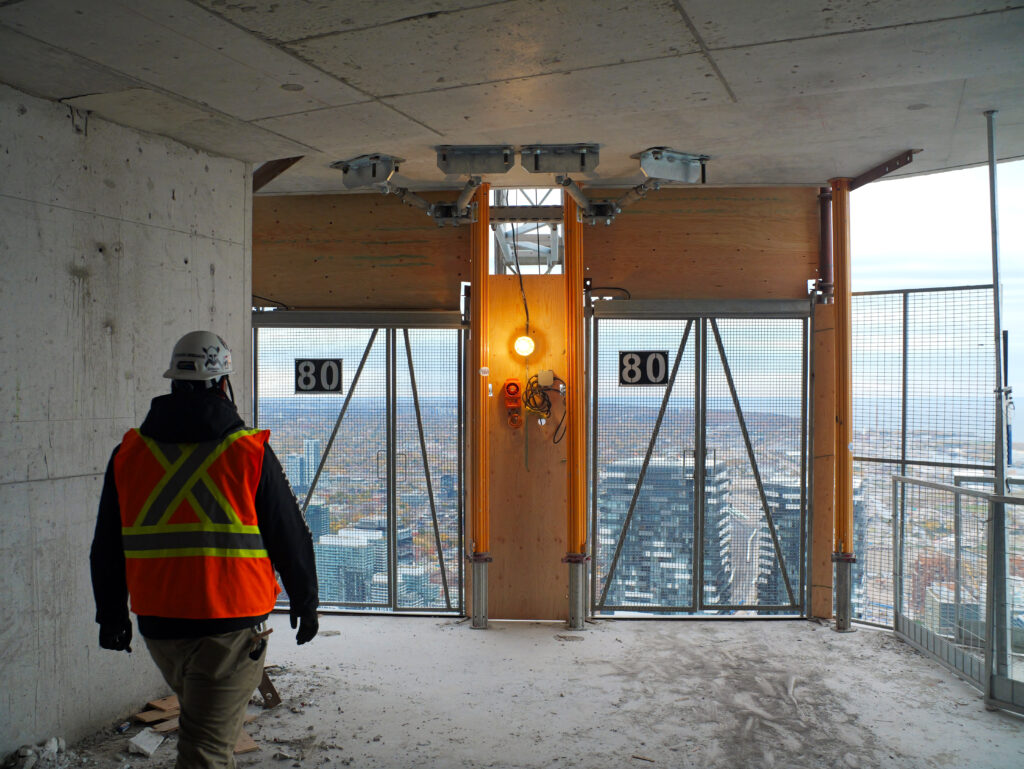
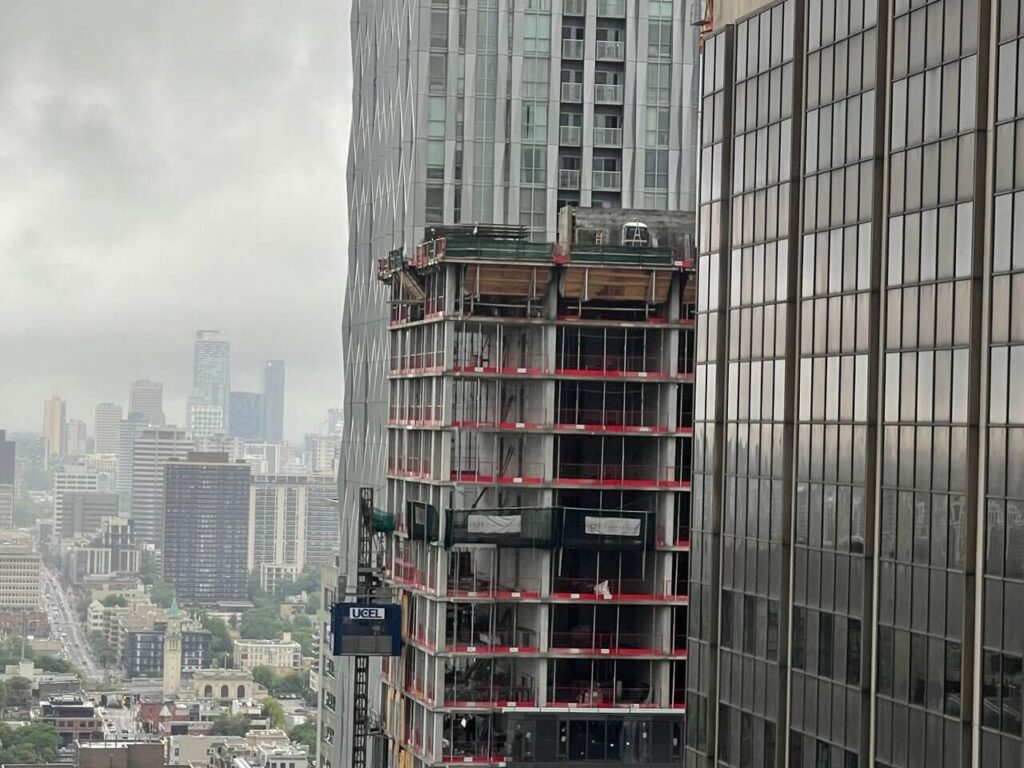
A construction elevator is a temporary vertical transportation system designed to move personnel, materials, or both throughout active construction sites. These systems are commonly installed externally along the structure using mast-mounted configurations that support continuous movement during different construction phases.
Unlike permanent building elevators, temporary hoisting systems are designed specifically for construction environments where lifting requirements frequently change as projects progress.
Passenger hoists are used primarily for transporting workers safely between floors, while material hoists focus on moving construction supplies, tools, and heavy equipment. Some projects also utilize combined systems capable of supporting both personnel and material transportation within the same unit.
These systems are commonly used on high-rise developments, commercial towers, industrial facilities, infrastructure projects, and large-scale renovation sites.
Types of Construction Hoist Elevators Used on Job Sites
Passenger Hoists
Passenger hoists are designed specifically for worker transportation on multi level construction sites. These systems generally feature enclosed transport cars, controlled landing access, emergency braking systems, and advanced safety controls.
A modern construction hoist elevator used for personnel transport helps reduce worker travel time while improving workforce mobility throughout the project lifecycle. This becomes especially important in high-rise developments involving multiple trades operating simultaneously across different floors.
Material Hoists
Material hoists focus exclusively on transporting construction materials vertically throughout active job sites. These systems are engineered to handle heavy payloads such as steel components, curtainwall assemblies, piping, concrete materials, and construction tools.
By reducing reliance on manual material movement, material hoists help improve productivity while supporting safer and more organized lifting operations.
Combined Hoist Systems
Some projects require dual-purpose systems capable of transporting both personnel and materials. Combined hoisting systems help contractors improve operational flexibility while reducing the need for separate transportation infrastructure on constrained job sites.
These systems are often used on large-scale developments where workforce movement and material transport must occur continuously throughout demanding construction schedules.
Temporary Versus Permanent Systems
Temporary hoists are installed specifically for construction activities and removed once the project is completed. Permanent elevator systems, on the other hand, become part of the finished building infrastructure.
Many contractors use temporary construction site hoist systems during active construction while coordinating permanent elevator installation later during final project stages.
Key Applications Across Construction Projects
High-Rise Buildings
High-rise construction projects depend heavily on efficient vertical transportation systems to maintain productivity and reduce delays. Hoisting systems help workers and materials reach upper floors safely while supporting continuous construction activity across large structures.
Infrastructure and Industrial Sites
Industrial facilities, power generation projects, and infrastructure developments also rely on vertical transportation systems for material handling and workforce access. These projects often involve demanding operational environments requiring durable lifting systems with advanced safety features.
Renovation and Retrofit Projects
Renovation projects frequently involve restricted access points and limited staging space. Compact hoisting systems help contractors move materials efficiently without disrupting surrounding operations or occupied building areas.
Specialized hoisting solutions are particularly valuable for facade restoration, structural upgrades, and modernization projects in dense urban environments.
Benefits of Using a Construction Site Hoist
Improved Productivity
A properly selected construction elevator helps contractors move workers and materials more efficiently throughout the job site. Faster vertical transportation reduces delays associated with manual carrying operations and limited crane availability.
Improved access to upper floors also allows multiple trades to work more effectively at the same time.
Worker Safety and Compliance
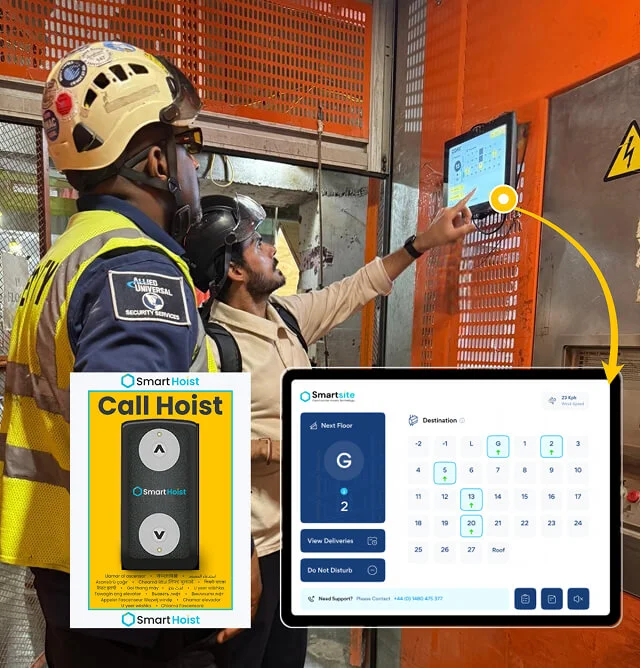
Modern hoisting systems include advanced safety controls such as overload protection systems, emergency braking mechanisms, landing gate interlocks, and controlled access features.
These systems help contractors maintain safer lifting operations while supporting compliance with applicable safety standards and site regulations.
Reduced Manual Handling
Using a construction site hoist reduces the physical demands associated with transporting materials manually across multilevel projects. Lower manual handling exposure helps reduce workplace fatigue while supporting safer operational practices.
Faster Project Timelines
Efficient vertical transportation directly affects project schedules. Contractors using reliable hoisting systems can improve workflow coordination, maintain organized material movement, and reduce downtime throughout different construction phases.
Factors to Consider When Selecting the Right System
Load Capacity Requirements
Contractors should evaluate the weight and volume of materials being transported before selecting a hoisting system. Different projects require different lifting capacities depending on operational demands.
Site Height and Structure
Building height, staging space, and structural layout all influence hoist selection. Taller projects often require more advanced mast configurations and additional engineering considerations.
Installation and Dismantling Needs
Efficient installation and dismantling planning help reduce operational disruptions throughout the project lifecycle. Contractors should also consider site access limitations and foundation requirements during equipment planning.
Safety Standards and Regulations
Every construction hoist elevator must comply with applicable safety standards and inspection requirements. Contractors should prioritize systems that support reliable compliance management and long-term operational safety.
Common Challenges and How to Address Them
Space Limitations
Urban construction sites often face limited staging space and restricted installation areas. Compact hoisting systems and customized engineering solutions help contractors manage these challenges more effectively.
Weather Exposure
Wind, rain, and freezing temperatures can affect lifting operations on exposed job sites. Contractors must establish safe environmental operating procedures and follow manufacturer recommendations carefully.
Maintenance and Downtime
Routine inspections and preventive maintenance programs help reduce operational interruptions while improving equipment reliability throughout demanding construction schedules.
Operator Training
Proper operator training remains essential for maintaining safe and efficient hoisting operations. Contractors should ensure all personnel follow approved operational procedures and safety protocols consistently.
Conclusion
Modern construction projects depend on reliable vertical transportation systems to maintain productivity, improve safety, and support efficient material movement across active job sites.
Selecting the right construction elevator helps contractors reduce delays, improve workforce mobility, and streamline daily operations throughout every project phase. Whether supporting high rise towers, industrial developments, or renovation projects, properly planned hoisting systems remain essential for modern construction success.
Since 1963, UCEL Inc. has provided customized hoisting solutions, equipment expertise, and long term vertical transportation support for demanding construction and industrial environments. Contractors planning future projects should work with experienced specialists to identify the most effective hoisting strategy for their operational needs.