
Successful construction hoist planning begins long before equipment arrives on site. While lifting capacity is important, it is only one part of selecting the right vertical access solution. Building height, workforce size, material movement, site layout, and construction sequencing all affect how efficiently a hoist supports daily operations.
Poor planning can create bottlenecks that slow material deliveries, increase worker travel time, and disrupt multiple trades throughout the project. By evaluating site conditions early, contractors can select a construction site hoist that aligns with the building schedule rather than reacting to challenges after construction is underway.
1. Building Height and Construction Sequence
Building height directly affects hoist selection. As structures rise, workers and materials must travel greater distances, increasing demand on vertical transportation systems.
The construction sequence is equally important. Structural work, façade installation, mechanical systems, and interior finishing each create different transportation needs throughout the project. Selecting vertical access equipment that supports each stage helps maintain productivity from foundation through project completion.
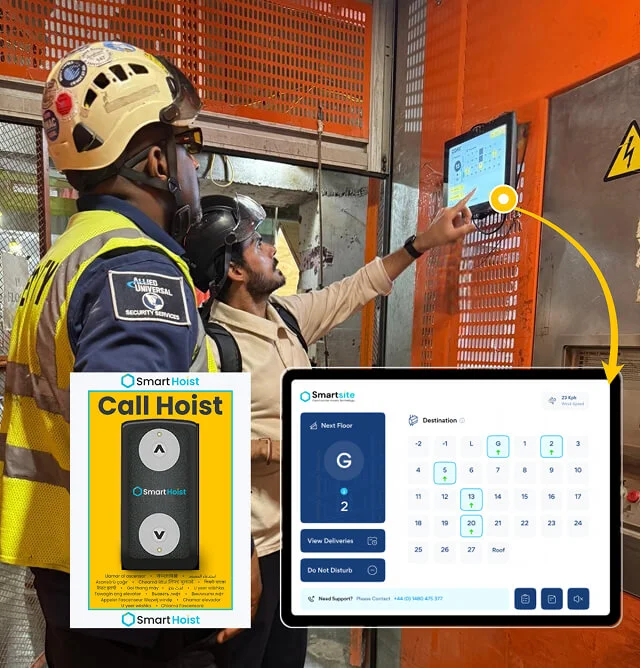
2. Expected Worker Traffic
The number of workers using the hoist each day significantly influences equipment requirements.
Morning shift changes, scheduled breaks, and end-of-day departures often create peak transportation demand. If you underestimate worker traffic, long queues can develop, delaying multiple trades before work even begins.
Planning should evaluate:
- Total workforce
- Peak occupancy periods
- Shift schedules
- Floor distribution
- Future workforce growth
Understanding these factors helps determine whether a single- or multiple-hoist configuration is appropriate.
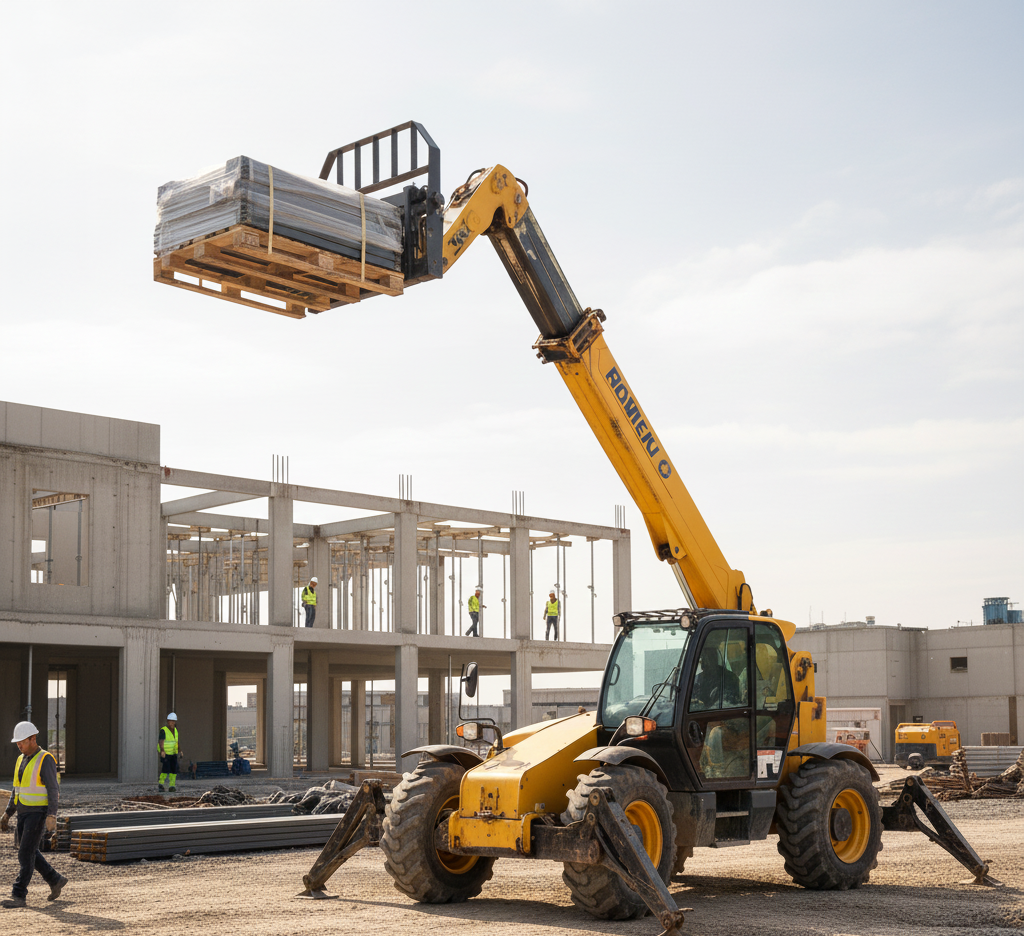
3. Material Movement Requirements
Workers are only one part of the transportation equation. Construction projects also require continuous movement of materials, equipment, and tools. On busy sites, separate material hoists keep supplies moving without slowing worker access.
During structural phases, materials may include reinforcement steel, concrete accessories, and formwork. Later stages introduce drywall, glazing systems, mechanical equipment, electrical components, and interior finishes.
Planning should consider:
- Daily material volume
- Maximum load weight
- Material dimensions
- Delivery frequency
- Loading equipment
Proper construction hoist planning ensures materials arrive where they are needed without disrupting workforce movement.
4. Available Hoist Location
Choosing the correct installation location is essential for efficient site operations.
The hoist should provide convenient access to active work areas while minimizing interference with cranes, delivery routes, and other construction activities.
Project teams should evaluate:
- Building layout
- Crane operating zones
- Foundation requirements
- Site boundaries
- Future construction phases
Planning the installation location early reduces the need for later modifications.
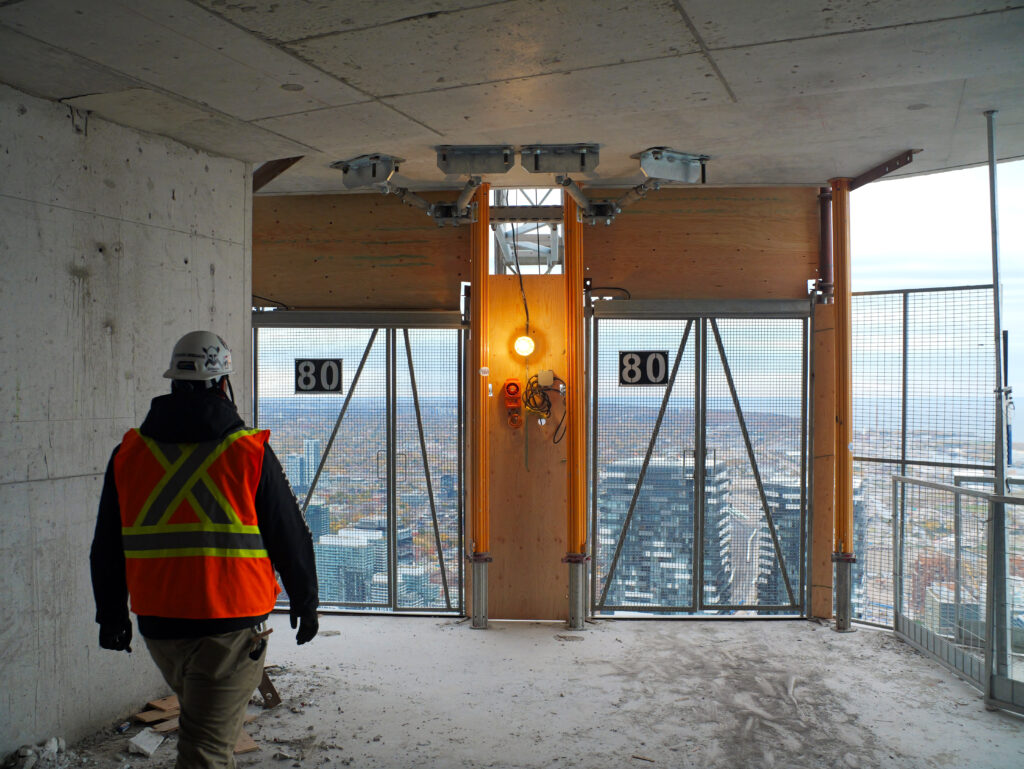
5. Landing and Loading Areas
Design loading and unloading areas to support continuous material movement while maintaining safe worker access.
Ground-level loading zones require adequate space for delivery vehicles, forklifts, and material staging. Similarly, landing areas on upper floors should provide sufficient room to unload materials without blocking work areas or emergency routes.
Effective planning includes:
- Loading platform size
- Landing gate locations
- Material storage space
- Worker circulation
- Equipment access
Organized landing areas help reduce delays and improve overall site logistics.
6. Site Access and Delivery Constraints
Construction sites rarely offer unlimited access. Urban developments, neighboring buildings, traffic controls, and restricted staging areas often influence equipment selection.
Contractors should review how materials and equipment will reach the hoist throughout construction.
Important considerations include:
- Delivery vehicle access
- Crane coordination
- Temporary roadways
- Sidewalk restrictions
- Available staging space
Understanding these limitations early helps avoid installation delays and operational conflicts.
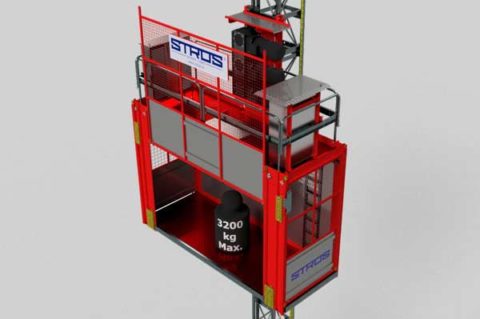
7. Required Capacity and Car Configuration
The required lifting capacity depends on more than the maximum load weight.
Project teams should evaluate how often workers and materials will use the hoist, whether transportation needs change across construction phases, and whether a single- or twin-car configuration offers better operational efficiency.
Factors to review include:
- Rated lifting capacity
- Platform dimensions
- Passenger requirements
- Material size
- Future project demands
Selecting equipment that supports both current and future project needs reduces operational disruptions as construction progresses.
8. Project Schedule and Changing Access Requirements
Construction schedules evolve throughout a project’s life. Vertical transportation requirements often change as structural work transitions to building enclosure, mechanical installation, and interior finishing.
Early project stages may prioritize moving heavy materials, while later phases often involve larger workforces and more frequent passenger transport.
Planning for these changing requirements lets contractors adapt equipment use without interrupting project progress. Flexible vertical access equipment supports multiple phases while helping maintain consistent productivity.
Why Early Hoist Planning Matters on High-Rise Projects
Early construction hoist planning allows contractors to coordinate equipment installation with structural work, crane operations, and site logistics.
Planning ahead also provides time to evaluate engineering requirements, foundation preparation, power availability, and future mast extensions as the building rises.
Waiting until construction is well underway often limits installation options and increases the likelihood of schedule disruptions.
Working with experienced project specialists early helps contractors choose the right configuration before vertical transportation becomes a constraint.
Questions to Review Before Equipment Selection
Before selecting a construction site hoist, project teams should answer several important questions:
- How tall will the building become?
- How many workers require daily transportation?
- What materials will move through the hoist?
- Where should the hoist be installed?
- Are loading areas adequately sized?
- Will site access change during construction?
- Is a single- or twin-car system more appropriate?
- How will transportation requirements change throughout the project?
Answering these questions early supports better equipment selection and more efficient project planning.
Conclusion
Effective construction hoist planning begins with understanding the site, not simply selecting equipment capacity. Building height, workforce requirements, material flow, loading areas, site access, and project sequencing all influence how successfully a hoist supports construction activities.
By evaluating these factors before installation, contractors can choose a construction site hoist that improves productivity throughout every project phase. With project support, construction hoist rental and sales solutions, and partnerships with leading global manufacturers, UCEL Inc. helps contractors identify vertical access equipment that aligns with project schedules, operational requirements, and long-term construction goals.
People Also Ask
Why is construction hoist planning important?
Proper construction hoist planning improves worker access, material movement, and overall site productivity.
What factors affect construction site hoist selection?
Building height, workforce size, material movement, site layout, loading areas, and project schedule all influence hoist selection.
Can construction hoist requirements change during a project?
Yes. Transportation needs often change as construction progresses from structural work to interior finishing.