
Ports and Shipyards
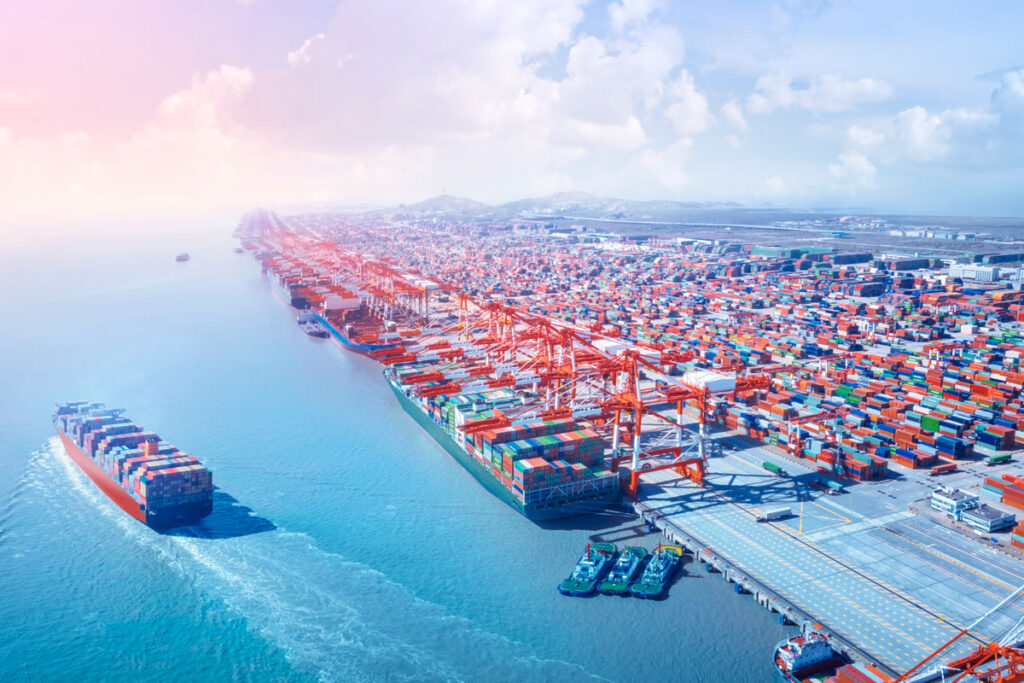
Construction elevators and lifts have become integral components of the maritime industry, playing a crucial role in the efficient operation of ports and shipyards. These facilities, responsible for the movement of goods, cargo, and vessels, demand a sophisticated vertical transportation infrastructure to meet their unique challenges. Construction elevators and lifts are employed to transport personnel, containers, heavy equipment, and even entire ships to various levels within ports and shipyards.
This infrastructure not only ensures seamless access to key areas such as ship decks, warehouses, and maintenance platforms but also contributes to the safety and productivity of maritime operations. In this article, we will explore the multifaceted use of construction elevators and lifts in ports and shipyards, delving into their diverse applications and the advantages they bring to this vital sector of global trade and commerce.
Construction lifts offer a multitude of benefits for ports and shipyards, enhancing their operations in several ways. Some of the key advantages include:
Efficient Cargo Handling
Ports rely on lifts to move cargo, including containers, vehicles, and heavy equipment, between ships and storage areas. This significantly speeds up the loading and unloading process, reducing turnaround times and increasing the overall efficiency of port operations.
Vessel Maintenance
Shipyards employ lifts to elevate vessels for maintenance, repair, and inspection. This not only provides easier access to different parts of the ship but also ensures that the vessel can be safely and securely positioned for work, leading to quicker turnaround times and cost savings.
Enhanced Safety
Safety is paramount in maritime operations, and lifts are designed to meet stringent safety standards. They reduce the risk of accidents and injuries associated with manual cargo handling or vessel maintenance, creating a safer working environment for personnel.
Accessibility
In shipyards, construction elevators provide easy access to different levels and sections of ships under repair. This accessibility ensures that maintenance and repair tasks can be performed with precision and efficiency.
Load Capacity
Many lifts in these facilities are designed to handle extremely heavy loads, including oversized cargo and large vessels. This capability is crucial for handling diverse types of cargo and accommodating various vessel sizes.
Environmental Benefits
Some modern lifts and cranes are designed to be energy-efficient, reducing the environmental impact of port and shipyard operations. They consume less power and produce fewer emissions, contributing to sustainability goals.
Operational Flexibility
Ports and shipyards must adapt to changing demands, including fluctuating cargo volumes and vessel sizes. Lifts provide the flexibility to handle a wide range of loads and vessel types, helping these facilities remain agile and responsive.
Selecting the appropriate construction lifts and elevators for a port or shipyard depends on various factors including facilities, load requirements, and budget. Consulting with industry experts and hoist manufacturers can aid in making informed decisions that align with project goals.
Maintenance and Training
Regular maintenance is essential to ensure the longevity and safety of your construction lifts and elevators. Additionally, providing adequate training to operators is paramount for accident prevention and efficient operation.
In summary, construction lifts are indispensable tools in the maritime industry, offering a range of benefits that enhance efficiency, safety, and productivity in ports and shipyards. Their presence ensures that these critical hubs of global trade and commerce can meet the demands of modern logistics and maintain high safety standards while contributing to environmental sustainability.