Choosing the right construction hoist configuration is one of the most important decisions during project planning. While lifting capacity and travel height often receive the most attention, the number of hoist cars can significantly influence workforce movement, material distribution, and overall site productivity.
A single-car system may provide sufficient vertical transportation for smaller developments, while larger projects often benefit from the additional capacity of a twin-car construction hoist. The right choice depends on building height, daily worker traffic, material movement, available installation space, and construction sequencing. Evaluating these factors early helps contractors maintain efficient site logistics throughout every phase of the project.
How a Single Car Construction Hoist Works
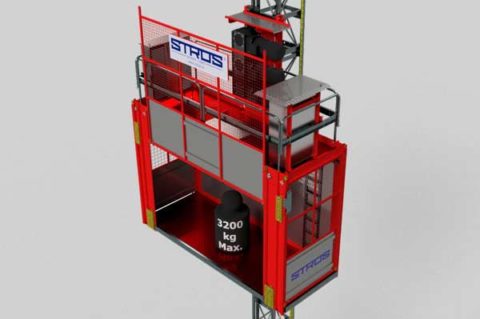
A single car construction hoist operates with one transport car travelling along a mast system. It moves workers, tools, and materials between building levels using a rack-and-pinion drive mechanism.
Single car systems are commonly selected for:
- Mid rise construction
- Commercial renovations
- Industrial projects
- Smaller residential developments
- Projects with moderate daily traffic
These systems require less installation space and are generally easier to integrate into sites with limited staging areas. For many projects, a single hoist provides sufficient transportation capacity while maintaining reliable daily operation.
How a Twin Car Construction Hoist Works
A twin-car construction hoist consists of two independently operated hoist cars installed on twin masts. Each car operates separately, allowing simultaneous transportation of workers and materials.
This configuration increases overall transportation capacity and reduces waiting times during busy construction periods. Depending on project requirements, one car may act as one of the site’s personnel hoists while the second works as a dedicated material hoist.
Twin car systems are commonly used on:
- High-rise residential towers
- Commercial office buildings
- Mixed-use developments
- Hospitals
- Large infrastructure projects
Operating both cars independently provides greater flexibility as construction activities increase.
Comparing Passenger and Material Capacity
Passenger and material transportation requirements vary throughout the construction schedule.
Single-car systems generally perform well when workforce numbers remain moderate, and material deliveries are predictable.
A twin-car construction hoist becomes more beneficial when multiple trades require continuous access throughout the day. By separating passenger movement from material transportation, contractors can reduce congestion during shift changes and improve workflow coordination.
The right configuration should be based on overall transportation demand, not maximum lifting capacity alone.
How Each Configuration Handles Peak Site Traffic
Morning arrivals, lunch breaks, and shift changes create the highest demand for vertical transportation.
A single-car system may see longer wait times when many workers need access at the same time. Material deliveries scheduled during these periods can further increase congestion.
Twin car systems help distribute transportation demand by allowing both cars to operate independently. This flexibility supports smoother movement throughout the project, particularly on sites with multiple active trades working on different floors.
Building Height and Project Scale Considerations
Building height directly affects transportation requirements.
As buildings become taller, workers spend more time travelling between floors unless efficient vertical transportation is available. Larger projects also require greater volumes of materials throughout the construction schedule.
Projects involving:
- Multiple towers
- Large workforces
- Continuous material deliveries
- Long construction schedules
often benefit from the increased transportation capacity of twin masts and dual hoist cars.
Smaller developments with fewer workers may find a single car configuration more appropriate.
Comparing Space and Installation Requirements
Available site space influences configuration selection as much as transportation demand.
Single-car systems require:
- Smaller installation areas
- Less ground-level staging space
- Simpler foundation preparation
- Reduced coordination during installation
A twin-car construction hoist requires additional space for twin masts, loading areas, and equipment access. Contractors should evaluate site boundaries, crane operations, delivery routes, and future construction activities before selecting the installation location.
Early planning helps ensure sufficient space remains available throughout the project.
How Construction Schedules Influence Configuration
Transportation requirements change as construction progresses.
Structural work often involves moving heavy materials, while later stages require greater worker access for mechanical, electrical, and interior finishing trades.
Selecting a construction hoist configuration that supports these changing requirements helps maintain productivity throughout the project.
Projects with overlapping construction activities often benefit from the flexibility of twin-car systems.
Single Car vs Twin Car Comparison Table
| Feature | Single Car | Twin Car Construction Hoist |
|---|---|---|
| Transportation Capacity | Moderate | High |
| Worker Traffic | Moderate | High |
| Material Movement | Moderate | High |
| Installation Space | Smaller footprint | Larger footprint |
| Best for | Mid-rise and smaller projects | High-rise and large developments |
| Flexibility | Good | Excellent |
| Peak Hour Performance | Moderate | Improved traffic management |
When a Single Car Configuration May Fit the Project
A single car system may be suitable when:
- Building height is moderate.
- Daily worker traffic is limited.
- Material deliveries are manageable.
- Site space is restricted.
- Transportation demand remains consistent throughout construction.
For these projects, a single configuration often provides reliable vertical transportation without requiring additional installation space.
When Project Demand May Point Toward Twin Cars
A twin car construction hoist may be appropriate when:
- Multiple trades work simultaneously.
- Worker traffic is high.
- Material deliveries occur continuously.
- The project involves significant building height.
- Construction schedules require uninterrupted vertical access.
Twin systems provide additional flexibility as transportation demands change across project phases.
Questions to Ask Before Selecting a Configuration
Before selecting a construction hoist configuration, project teams should consider:
- How many workers require daily transportation?
- What materials will move through the hoist?
- How tall will the building become?
- Is sufficient space available for installation?
- Will transportation demand increase during later project phases?
- Does the schedule require continuous worker and material movement?
- Would twin masts improve site logistics?
Answering these questions early helps identify the most suitable solution before construction begins.
Conclusion
Choosing between a single-car system and a twin-car construction hoist requires evaluating more than equipment specifications. Workforce size, material movement, available space, project height, and construction sequencing all influence the most effective construction hoist configuration.
Planning these requirements early helps contractors improve vertical transportation, reduce congestion, and execute projects more efficiently. With construction hoist rental and sales solutions, project planning expertise, and partnerships with leading global manufacturers, UCEL Inc. helps contractors identify vertical access solutions that align with every stage of the construction schedule.
People Also Ask
What is a twin car construction hoist?
A twin-car construction hoist uses two independently operated cars to transport workers and materials simultaneously.
When should twin masts be used?
Twin masts are commonly used on larger projects requiring greater transportation capacity and higher worker traffic.
How do contractors choose a construction hoist configuration?
They evaluate building height, worker traffic, material movement, available space, and project scheduling requirements.
Can construction hoist configurations change during a project?
Yes. Transportation requirements often evolve as construction progresses through different phases.