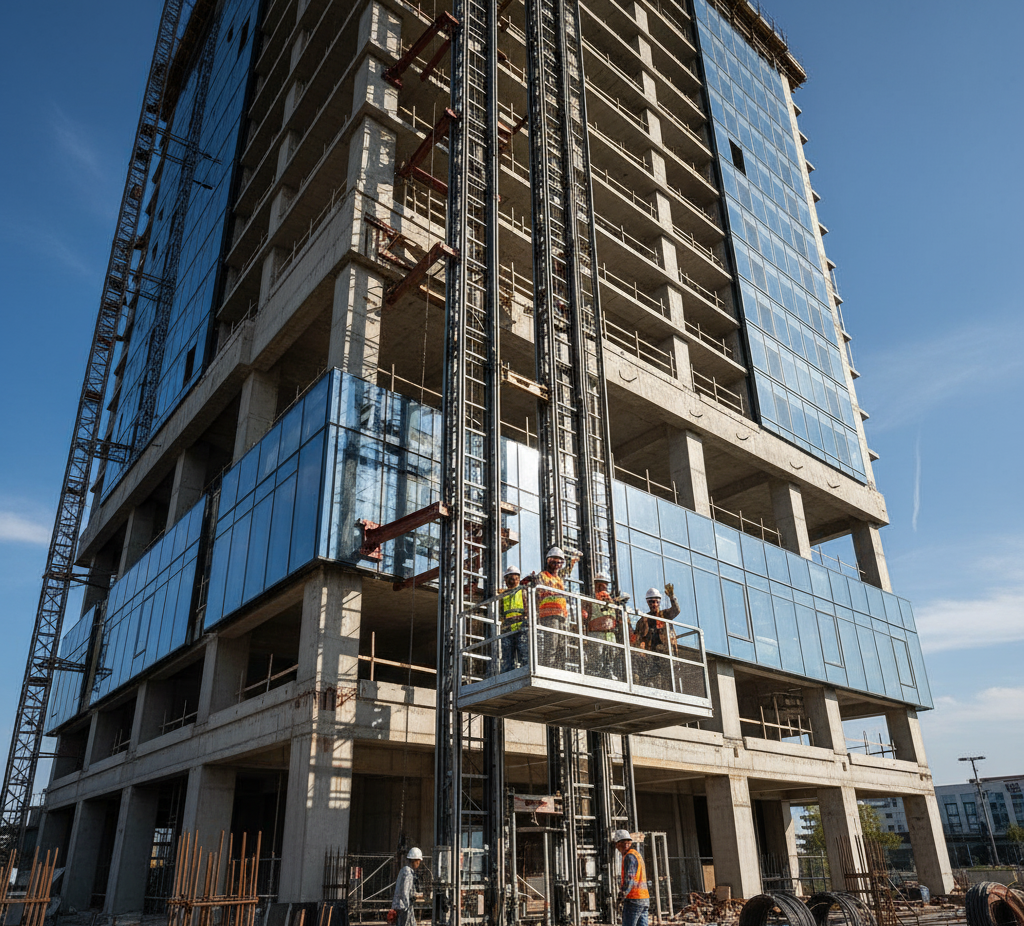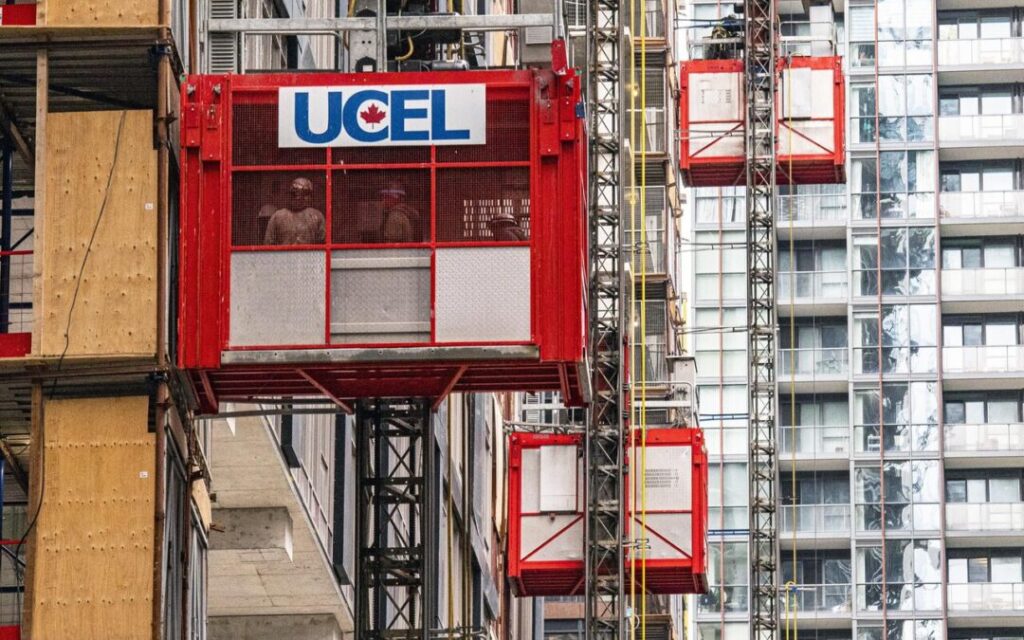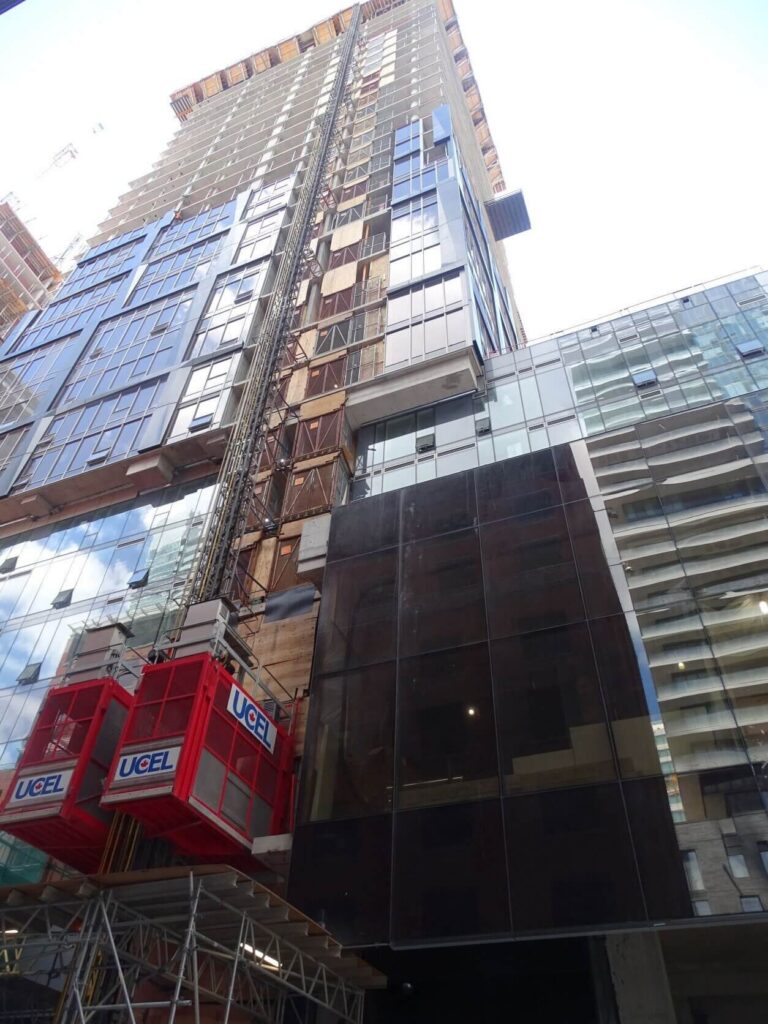
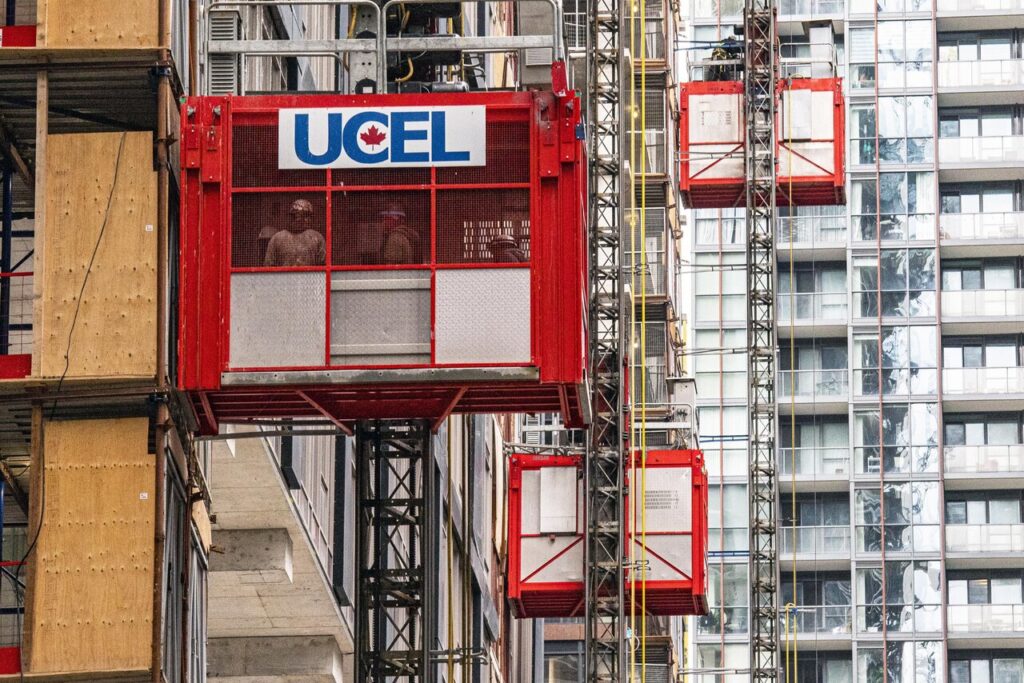
High-rise and large-scale builds across Canada and the USA depend on precise coordination. Materials, crews, and inspections move on tight schedules. A delay in vertical transport quickly disrupts trades, increases standby costs, and impacts contractual milestones. Selecting the right hoist for building construction is not a routine procurement task. It is a decision that directly affects site productivity, safety, and compliance.
When selection errors occur, recovery becomes expensive. Reconfigurations, capacity upgrades, and emergency replacements stall progress. Working with the best construction hoist suppliers in Canada reduces these risks by aligning technical specifications with real project demands from the start.
People Also Ask
What factors matter most when selecting a hoist for building construction?
Load capacity, project height, safety compliance, installation planning, and service support are critical considerations to prevent delays.
Why work with the best construction hoist suppliers in Canada?
Established suppliers provide compliant equipment, technical assessments, and reliable service support to protect project timelines.
1. Undersizing Load Capacity
Choosing a hoist for building construction with insufficient load capacity creates immediate bottlenecks. Crews are forced to reduce material loads or increase trips. This slows cycle times and limits daily productivity. Structural components, façade panels, and palletized materials require accurate load forecasting. Undersizing often leads to equipment strain and unplanned shutdowns.
2. Ignoring Project Height and Future Extensions
Project elevation affects mast configuration, tie-in intervals, and motor performance. A hoist for building construction must accommodate the current height and anticipated extensions. Failing to plan for additional floors or phased construction leads to costly mid-project modifications. Proper evaluation by the leading construction hoist suppliers in Canada ensures scalability without compromising structural integrity.
3. Overlooking Safety and Compliance Requirements
North American regulations demand strict adherence to safety codes and inspection standards. Guarding systems, overspeed governors, braking systems, and emergency controls must meet provincial, state, and federal requirements. Selecting a hoist for building construction without verifying compliance exposes projects to stop-work orders and liability exposure.
4. Focusing Only on Rental Cost
Low rental rates can mask long-term inefficiencies. A lower-priced hoist for building construction may lack the required capacity, speed, or durability. Downtime, service interruptions, and slow lifting cycles often cost more than the initial savings. The best construction hoist suppliers evaluate lifecycle value, not just short-term pricing.
5. Inadequate Installation Planning
Improper base preparation, insufficient anchoring, and delayed inspections disrupt commissioning schedules. A hoist for building construction requires coordinated installation planning with structural engineers and site managers. Skipping pre-installation assessments increases safety risks and delays operational readiness.
6. Not Evaluating Service and Support
Maintenance response time directly affects uptime. Projects operating under strict deadlines cannot tolerate extended equipment outages. Reliable support from the best construction hoist suppliers in Canada ensures rapid troubleshooting, spare parts availability, and preventive maintenance scheduling.
7. Failing to Plan for Peak Workforce Demand
Workforce surges during structural completion and façade installation require a higher transport frequency. A building construction hoist must handle both material and personnel demand during peak phases. Without proper planning, congestion and idle labor costs escalate quickly.
The Right Hoist Protects Your Timeline
Avoiding these seven mistakes protects schedules, budgets, and compliance. A properly specified hoist for building construction supports continuous vertical movement, stable operations, and workforce efficiency. Partnering with the best construction hoist suppliers ensures technical accuracy, regulatory alignment, and dependable performance across Canada and the USA.
UCEL Inc. provides engineered construction hoists, BMUs, and industrial elevators designed for demanding job sites. Contact UCEL Inc. today to secure a solution that keeps projects on schedule and compliant.
Also read: How to Evaluate Material Hoist Providers in the USA for Large Construction Projects