When an industrial facility needs powered vertical access, the drive system shapes almost every other decision: where the elevator can be installed, what the structure must provide, how it handles weather, and how it will be maintained. The two drive types most often compared are rack and pinion and traction.
Comparing rack and pinion vs. traction elevators is less about which technology is better overall and more about which one fits the structure and how the facility operates. This blog explains how each works, compares them side by side, and looks briefly at where hydraulic elevators fit. Drive selection is one of several decisions covered in Industrial Elevator Lift Systems: Types, Applications, and Planning Considerations, alongside configuration, environment, power, and maintenance planning.
How a Rack and Pinion Industrial Elevator Works
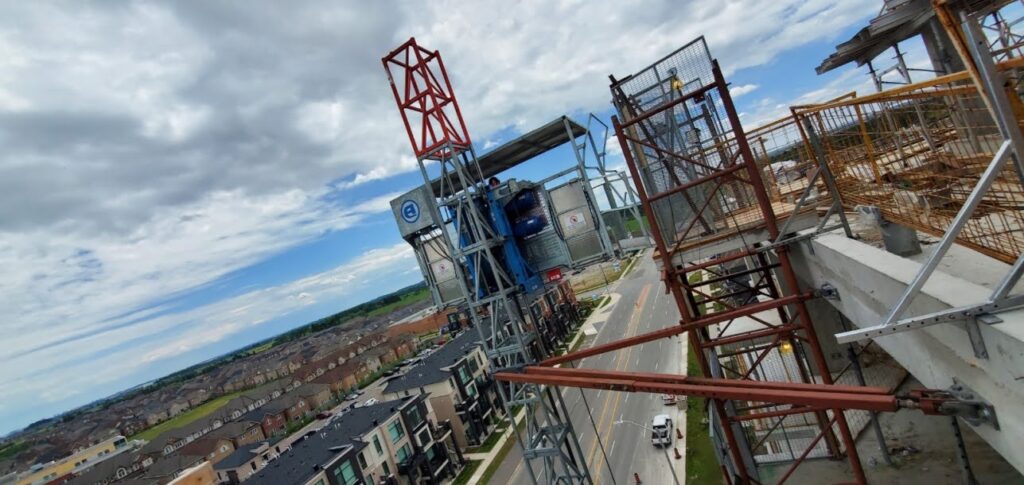
A rack and pinion industrial elevator uses one or more motor-driven pinion gears mounted on the car. The pinions engage a toothed rack fixed along a mast, and as they turn, the car climbs or descends the mast. The mast is tied to the host structure at intervals determined by the equipment design and an engineering review.
Because the car drives itself along the mast, a rack-and-pinion system does not need a separate machine room or an enclosed hoistway. The mast can be mounted externally on silos, stacks, towers, crane structures, and existing buildings. Safety devices such as overspeed safety gear act on the rack to stop the car if it exceeds a set speed.
Configurations such as inclined, asymmetrical, and reduced-size tower sections allow a rack-and-pinion elevator to adapt to structures that don’t suit a standard vertical layout.
How a Traction Elevator Works
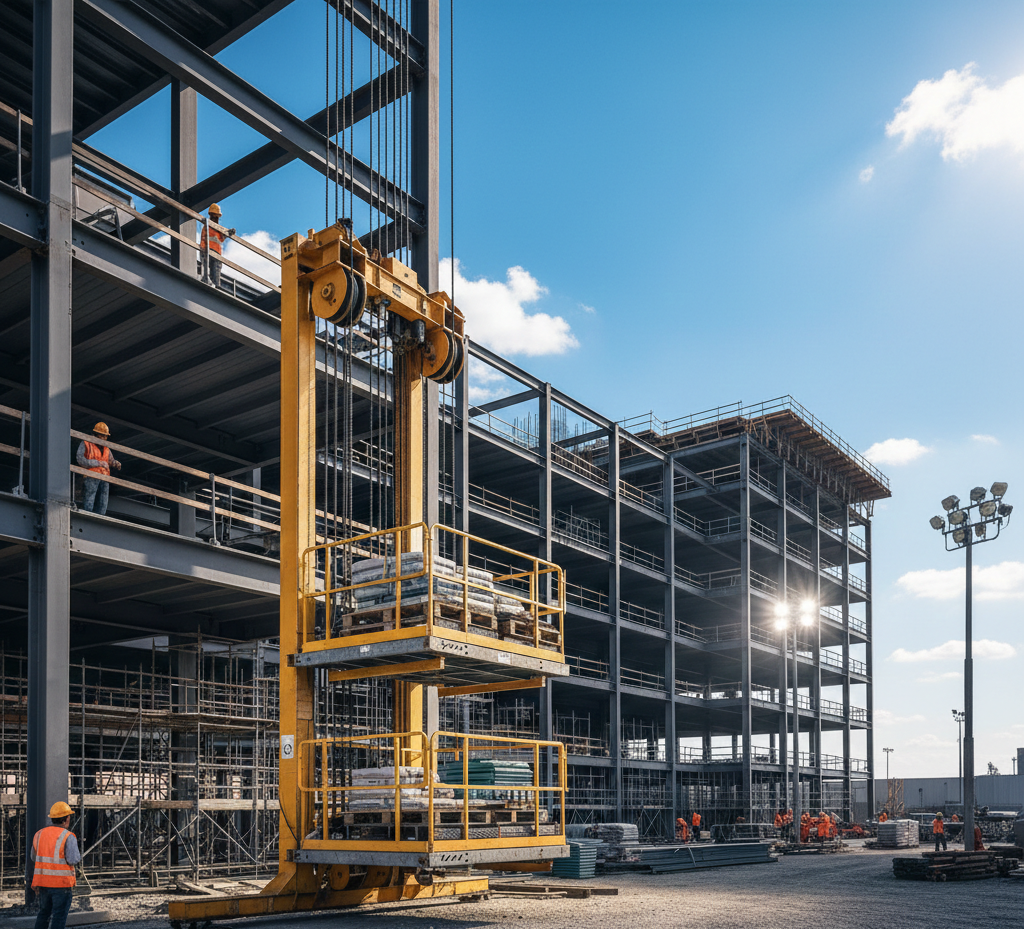
An industrial traction elevator moves the car with steel ropes or belts that pass over a driven sheave. A counterweight on the other side of the ropes balances part of the car and load, so the machine lifts only the difference. Guide rails inside a hoistway keep the car and counterweight aligned.
Traction elevators typically require an enclosed hoistway and a machine room or machine space. They are well established in buildings with frequent traffic, where a dedicated shaft forms part of the building design, whereas most mast-mounted industrial elevators are installed outside the structure.
Rack and Pinion vs Traction Elevators Compared
| Factor | Rack and Pinion | Traction |
|---|---|---|
| Shaft and machine room needs | No enclosed hoistway or separate machine room required; drive is on the car | Typically requires an enclosed hoistway and a machine room or machine space |
| Mounting on existing structures | Mast can be tied to silos, stacks, towers, cranes and existing buildings, subject to engineering review | Requires a hoistway built into or added to the structure |
| Outdoor and exposed use | Commonly installed externally, with environmental options for weather, dust and cold | Usually installed inside an enclosed shaft |
| Adapting to travel height changes | Mast sections can be added or removed as requirements change | The hoistway fixes travel; changes generally involve significant construction |
| Typical industrial applications | Silos, stacks, chimneys, cranes, process structures, retrofits without a hoistway | Enclosed plant buildings, warehouses and facilities with dedicated shafts and frequent traffic |
| Maintenance focus | Rack and pinion wear, lubrication, mast and tie inspection, safety gear testing | Ropes or belts, sheaves, brakes, counterweight and guide rail condition |
Note: Actual requirements depend on the specific equipment, the structure, and the applicable codes. Confirm details with the supplier and the authority having jurisdiction.
When a Rack and Pinion Elevator Suits an Industrial Site
Rack and pinion drives are often the practical choice when the structure was never designed for an elevator. Common examples include:
- Silos: Tall storage structures where workers need access to the roof, conveyors, and inspection points.
- Stacks and chimneys: Exposed, slender structures that need access for inspection, sampling, and maintenance.
- Cranes: Port and tower cranes where operators and maintenance crews need reliable access to the cab and machinery.
- Retrofits without a hoistway: Existing plant structures where adding a shaft would be impractical or too costly.
Rack and pinion systems also suit sites where travel height may change or where the elevator may later be relocated. Because the mast is tied to the structure, an engineering review of the host structure is essential. Tie design, anchorage, and the engineering review itself are covered in How Industrial Elevator Masts Are Anchored to Silos, Stacks, and Plant Structures.
When a Traction Elevator May Be the Better Fit
A traction elevator may be the better fit in an enclosed building that already has, or is being designed with, a dedicated hoistway. Facilities with frequent, predictable traffic between floors, such as multi-level plant buildings or warehouses, are typical examples.
In these settings, the hoistway protects the equipment from the environment, and the building design can accommodate machine space and maintenance access. Where a shaft already exists, the case for a traction system becomes stronger.
Traction systems also tend to suit applications where the elevator is part of the building’s permanent services, with stable travel height and access requirements that are unlikely to change. In those cases, the up-front construction of a hoistway can be justified by long-term use. When a facility weighs a new shaft against an external mast, comparing construction scope, schedule, operating environment, and long-term maintenance provides a clearer basis for the decision.
Where Hydraulic Elevators Fit Into the Decision
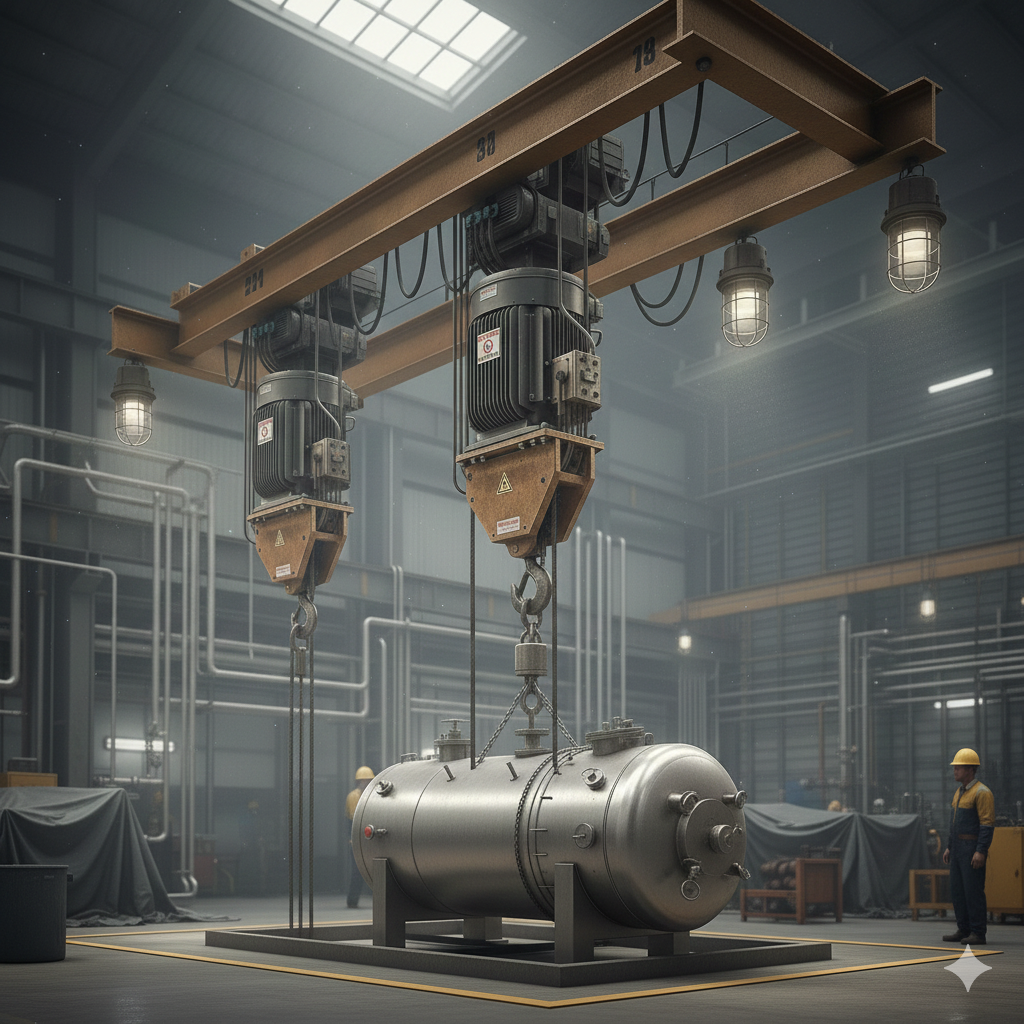
Hydraulic elevators raise the car with a hydraulic cylinder supplied by a pump unit. They are generally associated with lower travel heights and buildings with a few floors. For tall structures such as silos, stacks, and cranes, hydraulic systems are rarely practical, so most industrial comparisons focus on rack-and-pinion and traction drives.
Conclusion
The rack-and-pinion vs. traction elevator decision comes down to the structure. Rack-and-pinion drives suit external installation on silos, stacks, cranes, and retrofits without a hoistway, while traction drives suit enclosed buildings with a dedicated shaft and frequent traffic. Environment, travel-height changes, and maintenance capability complete the picture. Drive choice also affects motor size, starting current, and supply planning, which are explained in Industrial Elevator Power and Electrical Requirements Explained.
UCEL Inc. offers service and maintenance plans for traction, hydraulic, and rack-and-pinion elevators. Contact UCEL Inc. to discuss the right drive system for your facility.
Frequently Asked Questions
Which drive type is easier to adapt if travel height changes?
Rack-and-pinion systems can usually be adapted by adding or removing mast sections, subject to engineering review. Traction elevator travel is fixed by the hoistway.
Does UCEL Inc. service traction and hydraulic elevators?
Yes. UCEL Inc. offers service and maintenance plans for traction, hydraulic, and rack-and-pinion elevators.
How do maintenance needs differ between rack-and-pinion and traction elevators?
Rack-and-pinion maintenance focuses on the rack and pinions, lubrication, mast and tie condition, and safety gear testing. Traction maintenance focuses on ropes or belts, sheaves, brakes, the counterweight, and guide rails.
People Also Ask
What is the main difference between rack and pinion and traction elevators?
A rack-and-pinion elevator climbs a toothed rack on a mast using motor-driven pinions on the car. A traction elevator moves the car with ropes or belts over a driven sheave, usually with a counterweight inside an enclosed hoistway.
Does a rack-and-pinion elevator need a shaft?
No enclosed hoistway is required. The mast is tied to the host structure, which allows external installation on silos, stacks, cranes, and existing buildings, subject to engineering review.
Which elevator type is better for outdoor industrial use?
Rack-and-pinion elevators are commonly installed externally on exposed structures, with environmental options for weather, dust, and cold. Traction elevators are usually installed in enclosed shafts.