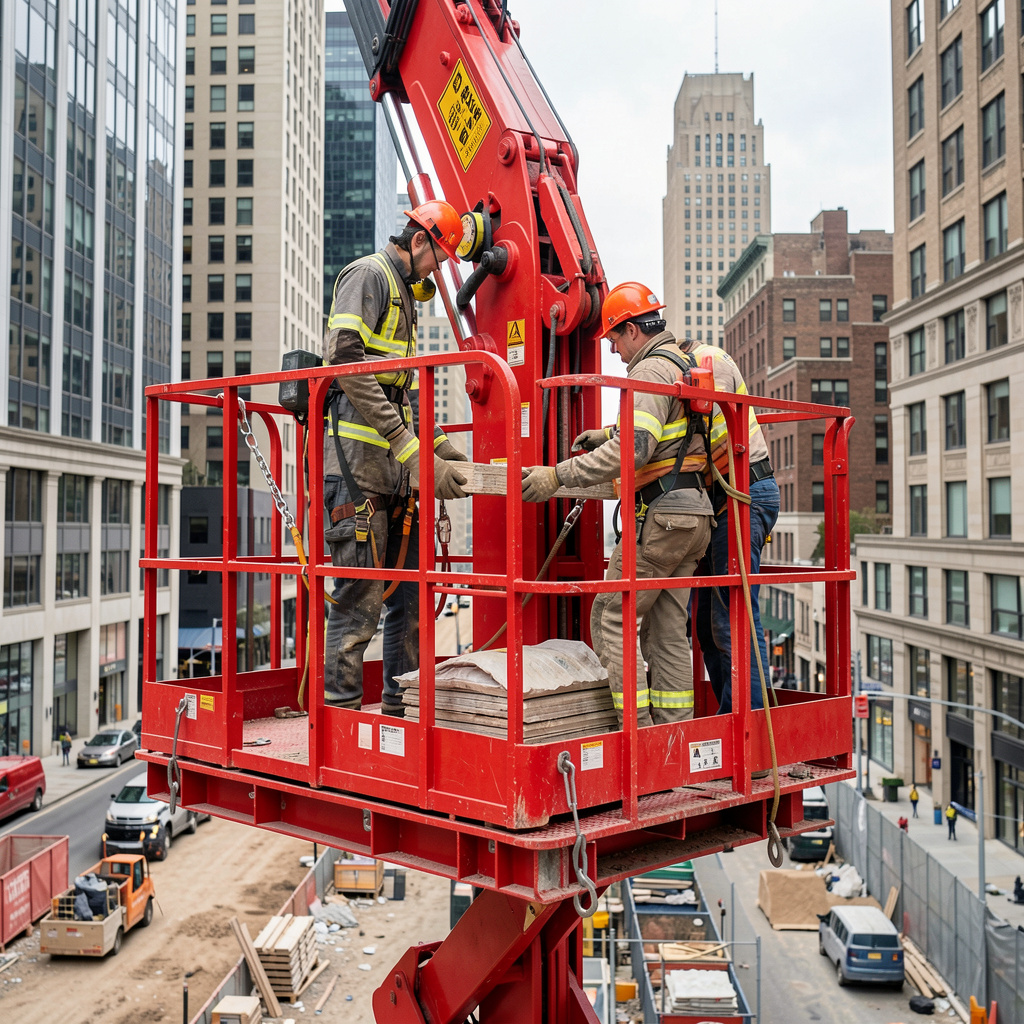
Vertical transportation bottlenecks are among the most disruptive and costly delays on high-rise and industrial construction sites. Choosing between multilift construction elevators and standard hoists is not a minor procurement detail; it directly shapes crew productivity, schedule adherence, and site safety posture. Rack-and-pinion systems and traditional traction hoists represent fundamentally different engineering philosophies, each with distinct operational trade-offs. This comparison is designed to help procurement managers, plant engineers, and operations directors evaluate both options against real project constraints rather than marketing claims.
Performance of Multilift Construction Elevators vs Standard Hoists
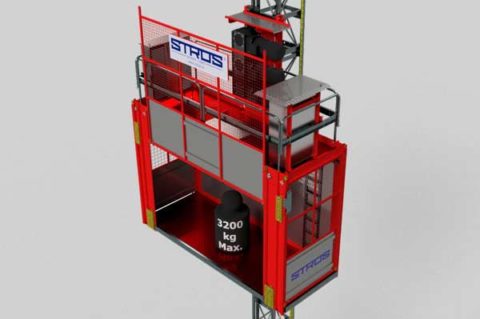
Standard traction hoists depend on dedicated machine rooms and fixed structural hoistways, which consume valuable site footprints and introduce single points of mechanical failure. Multilift construction elevators, by contrast, mount the drive motor directly on the moving car, eliminating machine-room dependency entirely. This configuration reduces the number of stationary components exposed to site vibration, dust, and moisture, meaningfully lowering the risk of unplanned downtime in harsh outdoor environments.
Standard hoists generally perform reliably in controlled interior settings, but their performance degrades more noticeably when exposed to variable weather and heavy-cycle industrial use. Rack-and-pinion designs are widely recognized across the industry as more resilient under continuous outdoor loading conditions, making them the stronger operational choice for projects where uptime is non-negotiable. Choosing the wrong system for an exposed, high-cycle environment carries a materially higher risk of mid-project mechanical failure and associated schedule impact.
Installation Timelines for Multilift Construction Elevators vs Traditional Systems
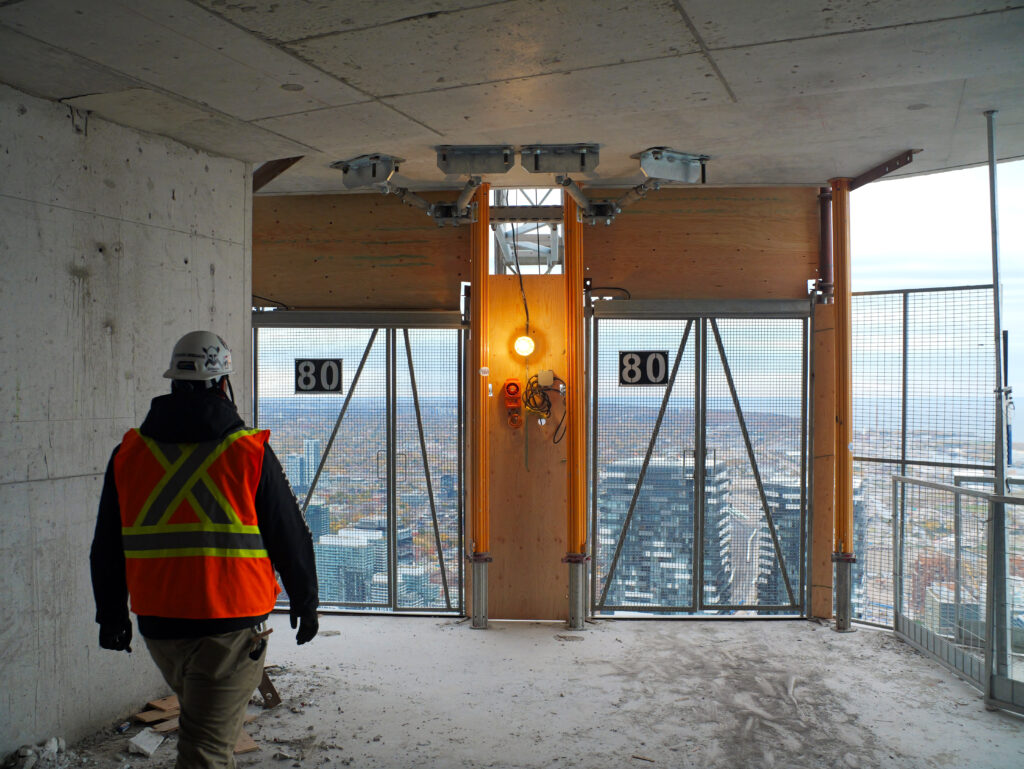
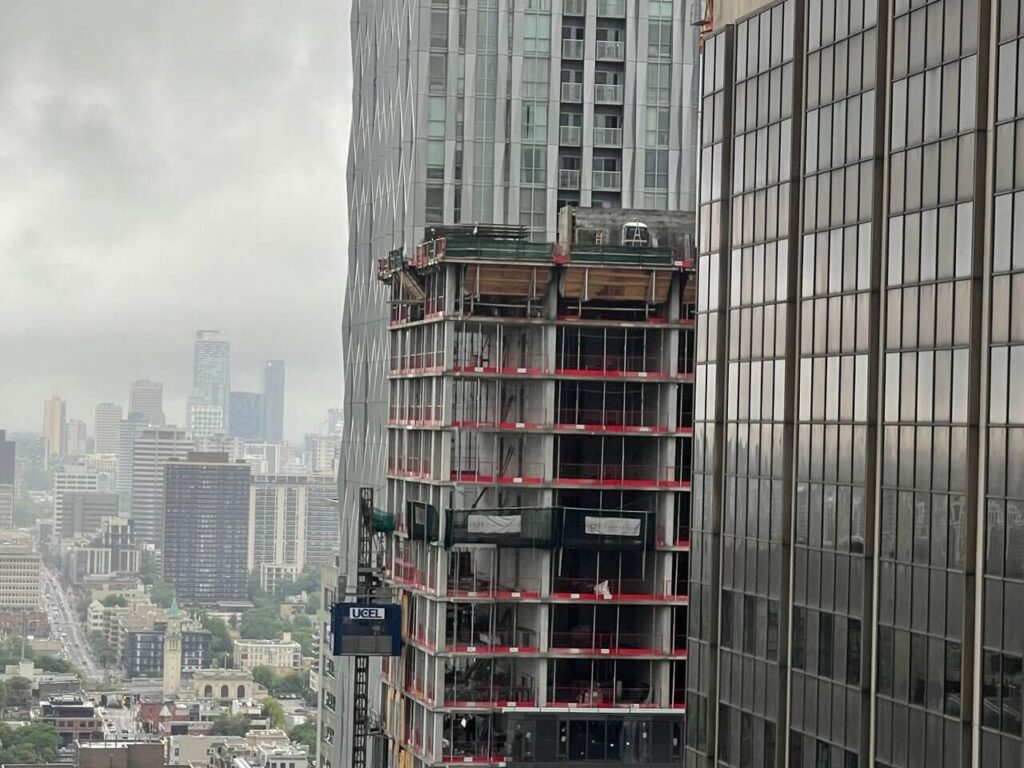
Traditional geared elevator systems require extensive structural preparation, including reinforced hoistway construction, dedicated electrical infrastructure, and multi-phase commissioning. These requirements translate into longer mobilization windows and higher labor overhead before the first productive lift occurs. Multilift construction elevators use a modular mast-climbing architecture that mounts to the building exterior, bypassing the need for enclosed hoistways entirely.
This approach allows installation crews to complete setup in a materially shorter timeframe compared to conventional systems, accelerating the overall construction schedule from the earliest project phases. Standard hoists may offer cost advantages in projects where hoistway infrastructure already exists, but on new builds or sites without pre-existing shaft structures, the setup burden is substantially heavier.
For projects where schedule compression is a priority, the faster deployment profile of rack-and-pinion systems consistently reduces labor overhead and enables vertical access to become operational sooner. UCEL Inc., with a heritage of equipment expertise dating to 1963, supports clients across both categories through sales, rental, and project consultation services backed by partnerships with leading global manufacturers whose equipment carries certifications including ISO, ANSI, TUV, and CSA.
| Decision Variable | Multilift Rack-and-Pinion | Standard Traction Hoist |
|---|---|---|
| Machine Room Requirement | None required | Dedicated room required |
| Installation Complexity | Lower, modular exterior mount | Higher structural hoistway needed |
| Outdoor Environment Resilience | Materially stronger | Moderate, better suited indoors |
| Setup Timeline | Faster mobilisation | Longer preparation phase |
| Scalability as Height Increases | Readily extendable | Less adaptable mid-project |
| Maintenance Demand | Lighter on the stationary components | Heavier on fixed infrastructure |
Verdict: Choosing Multilift Construction Elevators for Your Next Project
High-rise developers and site managers who prioritize schedule efficiency, outdoor resilience, and scalable vertical access will find rack-and-pinion systems consistently better aligned with those operational demands than standard hoists. Standard hoists are a viable option when enclosed hoistways exist, particularly for longer project cycles. However, for new constructions with exposed facades and increasing floor counts, the case for using Multilift construction elevators is significantly stronger.
Delaying the decision or defaulting to a familiar but mismatched system introduces avoidable schedule risk and rework exposure. UCEL Inc. offers customized vertical transportation solutions through both rental and sales channels, with project support tailored to specific site conditions. Consulting with UCEL’s team early in the project planning phase ensures the selected system is correctly specified, safely deployed, and supported throughout the build.