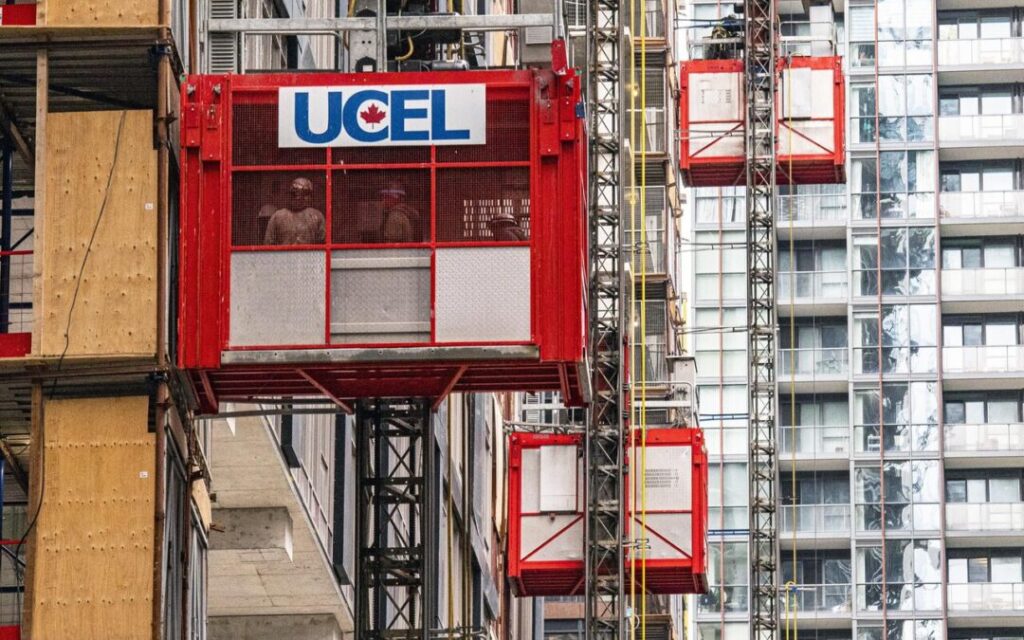
Modern construction projects depend on reliable vertical transportation to keep workers productive and materials moving efficiently. As buildings become taller and schedules become more demanding, selecting the right construction hoists has become an important part of project planning rather than a simple equipment decision.
A properly specified construction elevator helps reduce delays, improve site access, and support safe material movement throughout every stage of construction. Whether the project involves a commercial tower, mixed-use development, industrial facility, or infrastructure project, choosing the right vertical access solution can significantly impact productivity and operational efficiency. UCEL Inc. helps contractors and developers identify solutions that align with project requirements, site conditions, and long-term operational goals.
People Also Ask
What is the difference between a construction hoist and a construction elevator?
A construction hoist moves workers and materials during construction. A construction elevator is a common term for these temporary vertical access systems.
How do construction hoists improve jobsite efficiency?
Construction hoists reduce travel time between floors and improve material movement across the site.
When should a hoist elevator be installed on a construction project?
A hoist elevator is usually installed early in the project to support workforce and material access as construction progresses.
Why Construction Hoists Are Essential on Modern Job Sites
Construction sites require a constant flow of workers, tools, and materials between multiple levels. Relying solely on stairs, ladders, or cranes for routine transportation can slow progress and create unnecessary bottlenecks.
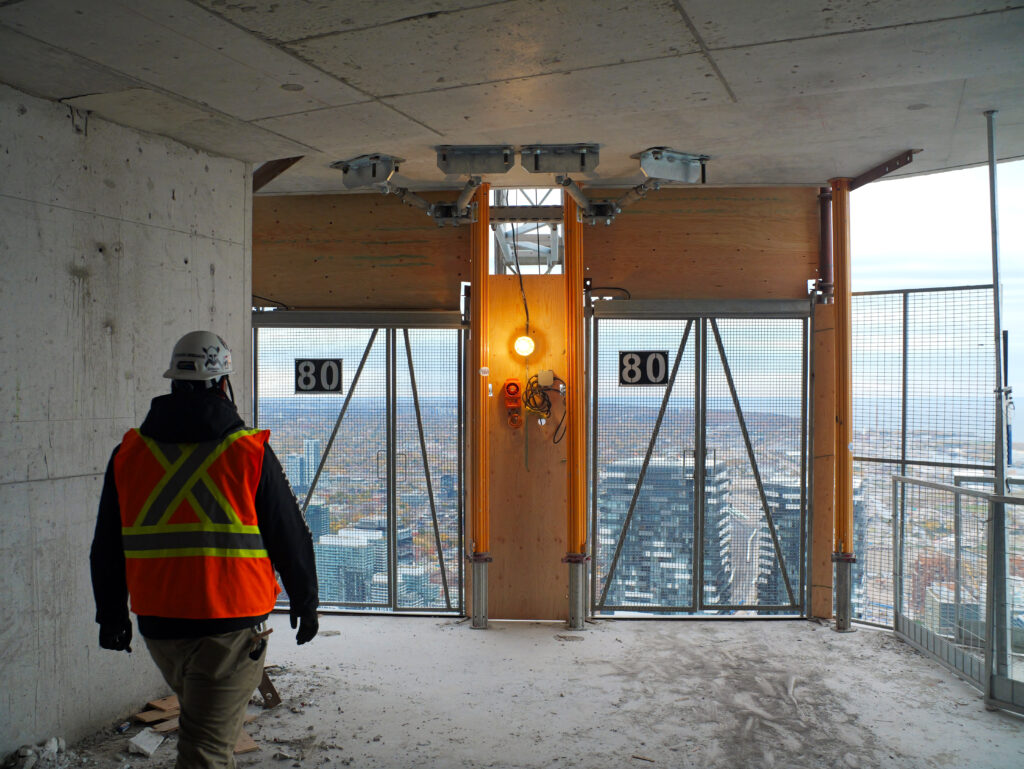
Construction hoists provide a dedicated vertical transportation system that helps streamline daily operations. Workers spend less time traveling between floors, while materials can be delivered directly to active work areas.
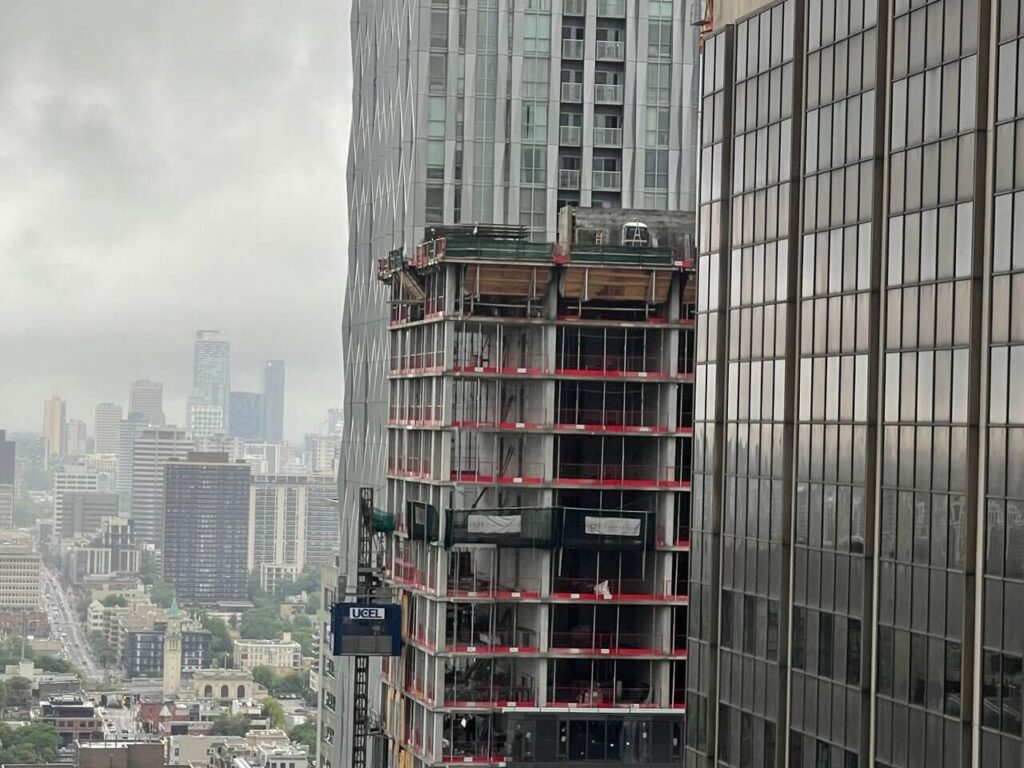
This improved access becomes increasingly important on mid-rise and high-rise developments where vertical travel distances grow significantly as construction progresses.
Understanding Different Types of Construction Hoists
Rack and Pinion Systems
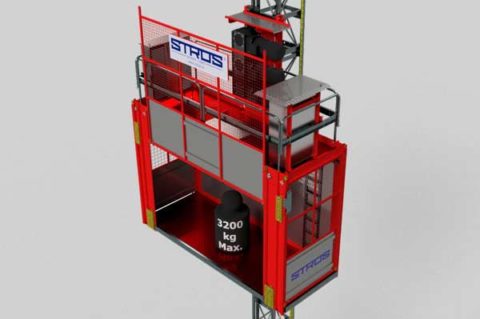
Rack-and-pinion systems are among the most commonly used construction hoists on modern projects. These systems use a motor-driven pinion that engages with a mast-mounted rack, creating reliable vertical movement.
They are well-suited for high-rise applications because they maintain consistent performance over extended travel distances. Their durability and controlled operation make them a popular choice for demanding construction environments.
Material Only Hoists
Material hoists are designed specifically for transporting construction supplies, equipment, and building materials between levels.
These systems help reduce dependence on cranes for routine material movement and improve logistics management throughout the project lifecycle. Material-only configurations are commonly used on projects where workforce transportation is handled separately.
Personnel and Material Hoists
Personnel and material hoists combine workforce transportation with material movement in a single system.
These versatile solutions help improve coordination across active construction sites by providing efficient access for both workers and equipment. They are frequently used on large commercial developments where multiple trades operate simultaneously.
Key Factors to Consider When Selecting a Construction Elevator
Project Height and Capacity Requirements
Every project has unique vertical transportation requirements. Building height, travel distance, and anticipated load volumes should all be evaluated during equipment selection.
Choosing a system with adequate capacity helps reduce the risk of operational constraints as construction progresses. Project teams should also consider future phases of development when determining equipment specifications.
Site Conditions and Access Limitations
Physical site conditions often influence hoist selection. Available installation space, staging areas, power availability, and surrounding structures all affect system configuration.
Urban projects may require customized solutions that accommodate restricted footprints while still providing reliable vertical transportation.
Safety and Compliance Requirements
Safety remains a primary consideration for every construction elevator installation. Documented inspection procedures, maintenance planning, and appropriate operational controls should support equipment.
Manufacturing partners whose equipment is designed to meet standards from ISO, ANSI, TUV, and CSA provide an additional level of confidence during project planning.
Important Features of a Modern Hoist Elevator
Advanced Safety Systems
A modern hoist elevator incorporates multiple safety features designed to support secure operation throughout the project lifecycle.
These features may include:
- Emergency braking systems
- Overload protection devices
- Landing gate interlocks
- Emergency stop controls
- Safety monitoring systems
Together, these components help ensure safer vertical transportation on active job sites.
Operational Efficiency Features
Modern systems also include technologies that improve performance and reliability.
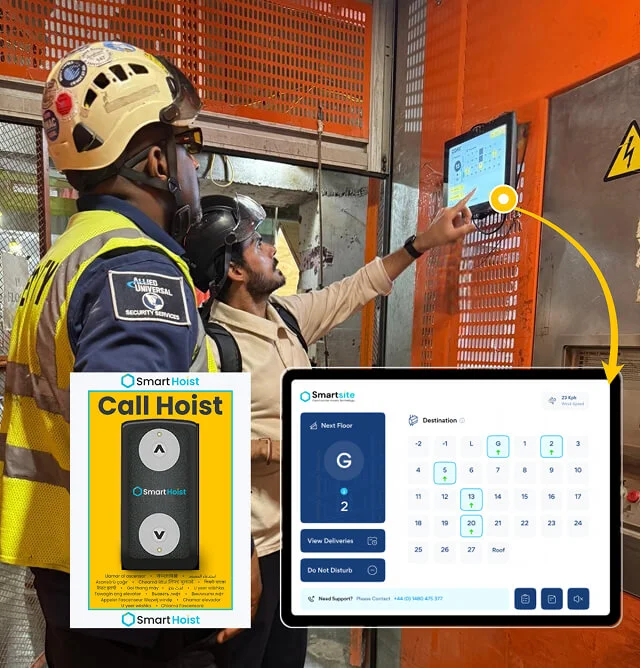
Variable frequency drives allow smoother acceleration and deceleration while reducing stress on mechanical components. Precise landing control improves loading efficiency and worker access on each floor.
Maintenance and Service Support
Reliable operation depends on consistent maintenance planning. Routine inspections, preventive maintenance programs, and access to replacement components help reduce operational disruptions throughout the project.
Equipment support should be considered as carefully as equipment specifications when evaluating potential solutions.
Rental Versus Purchase Considerations
When Rental Solutions Make Sense
Rental solutions are often appropriate for projects with defined timelines or temporary access requirements.
Benefits may include:
- Reduced upfront capital investment
- Maintenance support from the provider
- Equipment flexibility between projects
- Simplified asset management
Many contractors choose rental options when equipment utilization varies from project to project.
When Purchasing May Be Appropriate
Organizations with consistent equipment demand across multiple projects may consider purchasing equipment.
Ownership can provide long-term asset value and greater scheduling flexibility when utilization remains high over extended periods.
The decision should be based on operational requirements, project frequency, and long-term equipment planning objectives.
Why Early Planning Matters for Construction Hoists
Successful deployment begins long before installation. Early planning allows project teams to coordinate engineering requirements, power infrastructure, staging areas, and installation schedules.
Delaying vertical transportation planning can create avoidable complications later in the project. Equipment availability, site preparation requirements, and engineering reviews all require sufficient lead time.
By incorporating construction hoists into the planning process early, project teams can better align vertical transportation with overall construction schedules.
Partnering With an Experienced Vertical Access Provider
Selecting the right equipment is only one part of a successful project. Technical expertise, project support, and access to trusted manufacturing partners also play important roles.
UCEL Inc. has supported construction and industrial projects since 1963, providing rental and sales solutions for a wide range of vertical access applications. Through partnerships with leading global manufacturers, the company offers equipment designed to meet demanding operational requirements while supporting safety and compliance objectives.
Project teams also benefit from consultation services, site assessments, installation coordination, and ongoing support throughout deployment.
Conclusion
Choosing the right construction hoists requires careful evaluation of project requirements, site conditions, safety considerations, and long-term operational goals. The right construction elevator helps improve access, streamline material movement, and support more efficient workflows throughout every phase of construction.
Whether you require rental equipment, custom configurations, or long-term vertical transportation planning, UCEL Inc. provides the expertise and project support needed to identify the right hoist elevator solution for your next project. Request a site assessment to begin evaluating the most effective configuration for your construction requirements.