Vertical transport failures at commercial construction sites in Canada cause cascading schedule disruptions affecting every trade on the project. When material flow stalls and personnel movement slows, critical path milestones shift, and recovery costs compound quickly. Sourcing the best construction elevator hoist rental in Canada is a procurement decision with direct consequences for project delivery, site safety, and operational continuity.
Thank you for reading this post, don't forget to subscribe!Canada’s demanding seasonal conditions, from severe freeze-thaw cycles to extended winter operations, place exceptional stress on lifting equipment. Facilities and project managers who treat hoist selection as a strategic decision, rather than a commodity purchase, consistently achieve more predictable outcomes across complex builds.
Why Developers Choose the Best Construction Elevator Hoist Rental in Canada
Canada’s construction environment subjects hoisting equipment to some of the most rigorous operating conditions found anywhere in the industry. Prolonged cold seasons, high-wind exposure on tall structures, and variable site access demand lifting systems engineered for continuous, reliable performance rather than intermittent use. Developers working on high-rise commercial, institutional, and industrial projects require equipment backed by turnkey service models that include installation support, operator training, and responsive field service.
UCEL Inc. has supported vertical transport requirements across diverse project types since its founding in the early nineteen-sixties, bringing decades of accumulated field knowledge to each engagement. Equipment sourced through partnerships with leading global manufacturers carries certifications including ISO, ANSI, TUV, and CSA standards, ensuring every platform meets rigorous national compliance requirements. Selecting a rental partner with this depth of manufacturer alignment materially reduces the risk of compliance gaps that can trigger costly site shutdowns.
Evaluating the Construction Elevator Hoist Rental in Canada
Procurement managers evaluating elevator hoist rental services in Canada should prioritize suppliers that provide detailed load charts, enabling precise logistical planning across multi-trade operations. Load capacity documentation is not a formality; it directly informs lift sequencing, material staging, and crew scheduling decisions that affect the entire project program. Advanced telematics and remote monitoring capabilities allow site managers to track equipment performance in real time, identifying developing faults before they escalate into unplanned downtime.
Proactive maintenance agreements are equally critical, ensuring rapid troubleshooting response and guaranteed access to spare parts without extended lead times. In a market where project timelines carry significant financial exposure, the difference between a supplier offering reactive repairs and one offering structured preventive maintenance is the difference between a recoverable delay and a program-level disruption. Versatility across industries, including commercial construction, industrial facilities, and institutional builds, signals a supplier with the operational breadth to adapt to non-standard site configurations.
Securing the Best Construction Elevator Hoist Rental in Canada With UCEL Inc.
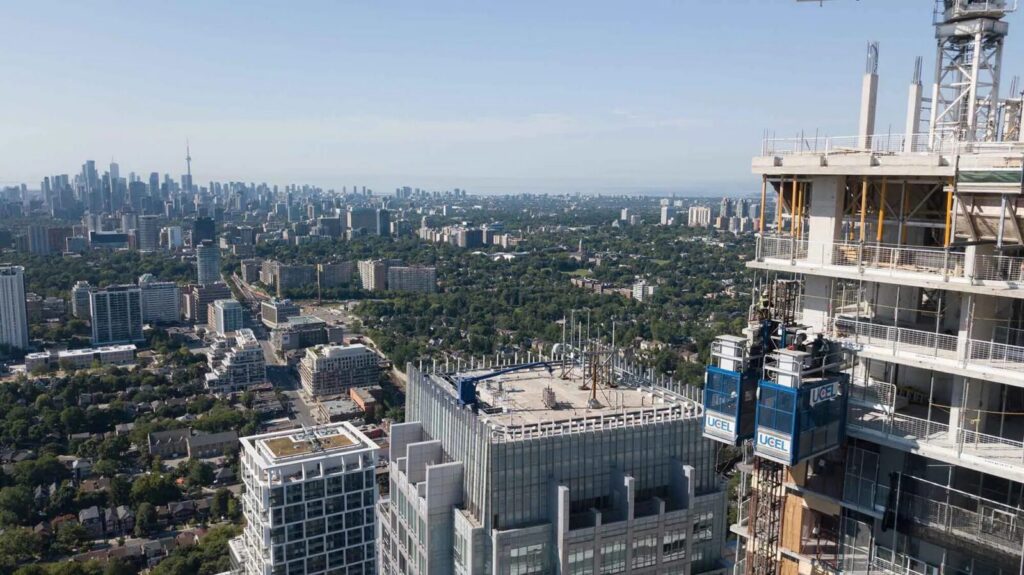
UCEL Inc. provides access to a premium vertical transport fleet supported by custom engineering capabilities that adapt standard hoist configurations to complex or restricted operational zones. Projects involving constrained floor plates, irregular facades, or phased construction sequences benefit from this engineering flexibility, which standard rental catalog offerings rarely accommodate. UCEL’s heritage since the early nineteen-sixties reflects sustained expertise in tall-building projects and multi-sector applications, from commercial towers to industrial facilities.
The company’s rental and sales model, combined with dedicated project support, gives procurement teams a single accountable partner from equipment selection through demobilization. Delaying the engagement of a qualified vertical transport partner introduces avoidable risk: equipment availability narrows as project start dates approach, and late procurement decisions often result in suboptimal configurations that constrain site productivity throughout the build. Contractors and project managers are encouraged to request a consultation early to determine optimal lifting configurations before scheduling pressures limit available options. For more details, contact us now!