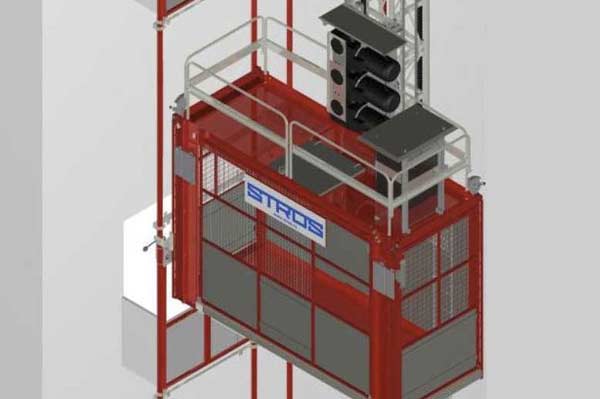
Mining facilities across Alberta operate in demanding environments where combustible dust, gas exposure, and heavy industrial workloads create elevated operational risks. Selecting the right hazardous area lifting system requires careful evaluation of compliance standards, drive mechanics, maintenance planning, and long-term operational performance.
Thank you for reading this post, don't forget to subscribe!Whether facilities are considering explosion proof hoists or a specialized explosion proof elevator, understanding the differences between these systems can help improve safety, reduce downtime, and support long-term project efficiency.
Which Explosion Proof Hoists Meet Alberta Mining Compliance Standards?
Hazardous area lifting systems must align with regional classification standards before installation begins. Alberta mining facilities commonly evaluate equipment based on Class and Division systems while many international manufacturers rely on Zone classifications and ATEX designations.
Industrial operators are increasingly moving toward globally aligned certification strategies to simplify procurement and support multi-site compliance planning. This becomes especially important when facilities import specialized hazardous area equipment from international manufacturers.
For example, grain handling facilities often require advanced dust mitigation strategies to reduce ignition risks in combustible particulate environments. Proper classification reviews help ensure the selected flameproof hoist aligns with the environmental hazards present at the site.
Mining operators must also prepare for recurring compliance audits that evaluate hazardous area equipment integrity, installation methods, and maintenance documentation. Early certification planning can help avoid operational delays during commissioning.
How Do Drive Mechanics Compare for Explosion Proof Hoists vs Lifts?
Drive system selection directly affects lifting reliability, maintenance accessibility, and operational suitability for industrial mining applications.
Rack and Pinion vs Traction Systems
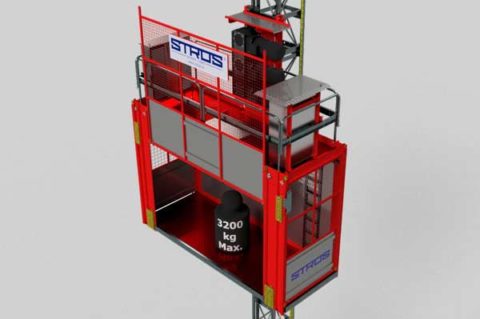
Rack and pinion systems are commonly preferred for heavy industrial lifting because they provide stable vertical movement under demanding load conditions. These systems also perform reliably in harsh mining environments where continuous operation and rugged durability are essential.
Traditional traction systems may offer smoother travel characteristics, but industrial facilities often require lifting systems capable of handling higher payload demands with minimal operational interruption. Rack and pinion systems also typically require less shaft space customization for large industrial installations.
When evaluating explosion proof elevator drive mechanics, facilities should assess lifting height requirements, environmental exposure, and long term maintenance accessibility before selecting a system configuration.
Evaluating Flamepath and Enclosure Integrity
Hazardous area lifting systems rely heavily on sealed enclosures and flamepath engineering to safely contain internal ignition sources. Heat dissipation limitations within sealed electrical components must be carefully managed to maintain safe operating temperatures.
This becomes especially important for continuous load motors used in offshore rigs, mining sites, and petrochemical operations where lifting systems operate for extended periods under heavy workloads.
Facilities planning hazardous area installations should consult experienced engineering specialists early in the procurement process. UCEL Inc. supports customized hazardous area lifting strategies tailored to complex industrial applications.
Which Offers Better ROI: Renting or Buying Explosion-Proof Hoists?
Investment planning is another important consideration for Alberta mining operations evaluating hazardous area lifting systems.
Analyzing Short Term Project Economics
Rental solutions often reduce initial capital expenditure requirements for temporary industrial projects or short term facility expansions. Many operators now prefer flexible acquisition models that allow equipment scaling based on project duration and operational demand.
This approach can help facilities maintain operational flexibility while avoiding unnecessary long term ownership costs for temporary applications.
Assessing Long Term Asset Value
Permanent industrial facilities may benefit more from equipment ownership when lifting systems are required for continuous daily operation. Long-term ownership strategies often provide stronger lifecycle value when paired with preventive maintenance planning and equipment modernization programs.
For example, petrochemical refining facilities frequently install permanent hazardous area lifting systems to support continuous production environments where reliability and uptime remain critical operational priorities.
How Do Maintenance Requirements Compare for a Flameproof Hoist?
Maintenance planning remains one of the most important factors affecting long-term hazardous area equipment performance.
Understanding Inspection Frequency
Hazardous area lifting systems require structured inspection intervals that evaluate brakes, electrical enclosures, flamepaths, sealing faces, and mechanical components regularly. Sealed electrical systems typically require more specialized inspection procedures than conventional industrial lifting equipment.
Routine maintenance programs help identify wear-related concerns before they develop into larger operational failures.
Managing Active vs Passive Protection
Facilities must also understand the difference between active and passive hazardous area protection strategies. Some systems rely on purge and pressurization methods, while others depend on sealed enclosure containment designs.
Maintenance teams should routinely inspect bolt torque conditions, sealing faces, and enclosure integrity to maintain proper hazardous area protection performance throughout the equipment lifecycle.
Which Is Right for You: Decision Matrix for Explosion-Proof Hoists
Selecting between explosion proof hoists and hazardous area elevators ultimately depends on site-specific engineering requirements, environmental exposure, operational workload, and long-term project goals.
Facilities operating in extreme industrial environments often prioritize rugged durability, simplified maintenance access, and long-term reliability when evaluating vendors. Engineering support availability, replacement component access, and commissioning assistance also play a major role in procurement decisions.
Custom hazardous area lifting systems may require extended lead times due to specialized engineering reviews and certification requirements. Facilities evaluating explosion proof elevator deployment strategies should begin procurement planning early to support smoother installation timelines.
UCEL Inc. provides hazardous area lifting expertise, rental support, equipment sales, and engineering guidance for complex industrial applications across Alberta. Contact UCEL Inc. to discuss tailored lifting solutions designed for demanding mining and hazardous industrial environments.