Ontario chemical plants operate in environments where flammable gases, combustible dust, and volatile vapors can create elevated operational risks. In these facilities, lifting systems must perform reliably without introducing ignition sources into hazardous areas. This is why explosion-proof hoists are widely used across chemical processing, refining, and industrial manufacturing operations.
Standard lifting equipment may contain exposed electrical components or friction points that are unsuitable for hazardous locations. Properly engineered hazardous area systems help facilities reduce operational disruptions while supporting compliance requirements. UCEL Inc has supported industrial projects since 1963 by supplying vertical transportation and lifting solutions for demanding industrial environments.
People Also Ask
What is the purpose of an explosion-proof hoist?
An explosion-proof hoist is designed for hazardous industrial environments where flammable gases, vapors, or combustible dust may be present. These systems use sealed electrical components and protected enclosures to help reduce ignition risks during lifting operations.
Where are flameproof hoists commonly used?
A flameproof hoist is commonly used in chemical plants, refineries, gas processing facilities, solvent-handling operations, and other industrial environments where hazardous-area classifications apply.
How often should explosion-proof hoists be inspected?
Inspection schedules depend on operational frequency, environmental conditions, and regulatory requirements. Most facilities perform routine, frequent inspections alongside more detailed periodic inspections to evaluate brakes, load chains, electrical systems, and enclosure integrity.
What is the difference between a standard hoist and an explosion-proof elevator?
A standard hoist may contain exposed electrical systems or components unsuitable for hazardous areas. An explosion-proof elevator is engineered with sealed systems and protective enclosures designed specifically for classified industrial environments.
Why Explosion-Proof Hoists Are Critical for Chemical Plant Safety
Chemical facilities often contain airborne substances that can ignite when exposed to sparks, heat buildup, or electrical faults. Explosion-proof hoists are specifically designed to reduce these risks through sealed electrical systems and protected mechanical components.
Hazardous industrial environments are commonly classified using Zone or Division systems. These classifications indicate the likelihood of explosive atmospheres and help determine the type of lifting equipment required. Areas with continuous exposure to combustible materials generally require stricter protection standards than spaces with only occasional exposure.
Compliance failures in hazardous environments can lead to shutdowns, operational delays, and increased regulatory scrutiny. This makes engineered hazardous location equipment an important part of facility risk management planning.
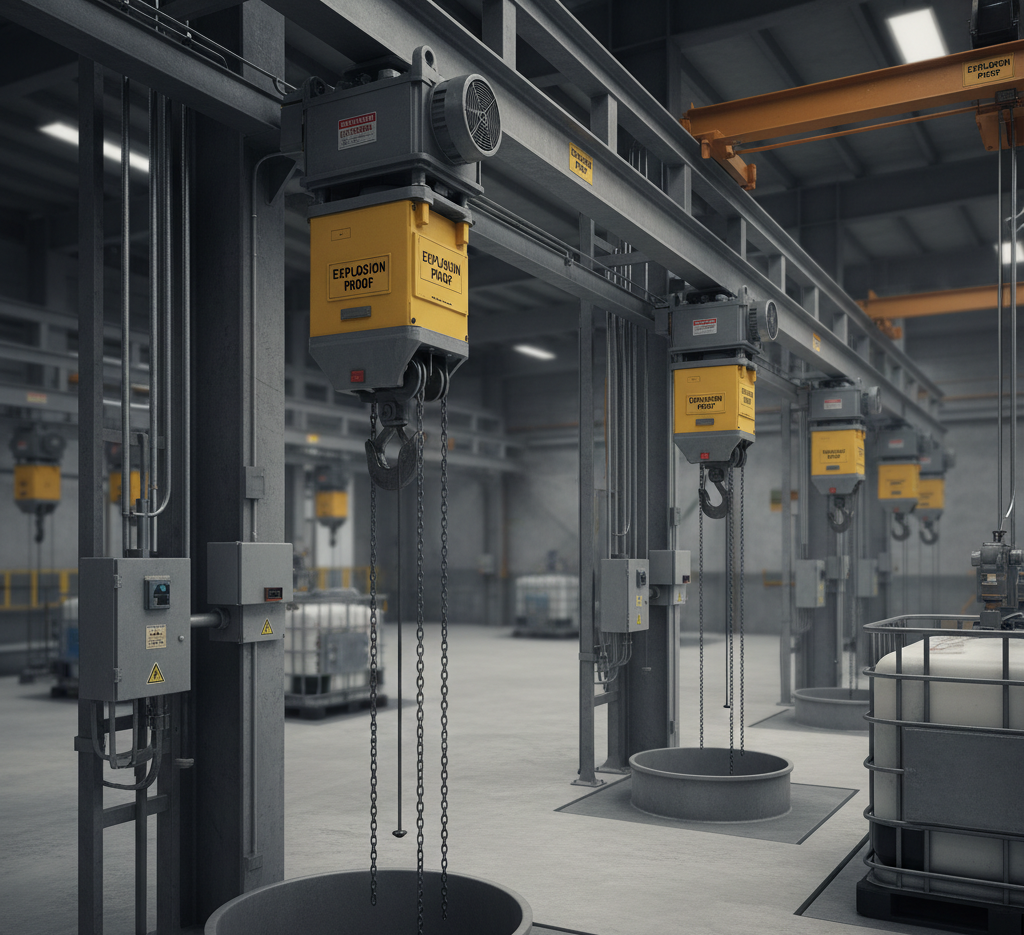
A flameproof hoist differs from standard lifting systems because it is designed to contain ignition sources within sealed enclosures. These systems are commonly used in chemical plants, refineries, gas facilities, and solvent-handling operations, where volatile conditions may arise during routine production.
Core Vulnerabilities in Standard Lifting Equipment
Conventional lifting equipment may contain open electrical systems, unsealed motors, or exposed braking components that can generate sparks or heat during operation. In hazardous chemical environments, these vulnerabilities create unacceptable risks.
A flameproof hoist addresses these concerns through protected enclosures, sealed electrical housings, and engineered containment systems. These features help reduce ignition exposure in volatile industrial settings.
Chemical processing facilities also face challenges related to moisture, corrosive exposure, airborne contaminants, and temperature fluctuations. Hazardous area lifting systems are engineered to maintain operational reliability under these demanding conditions.
Mechanical Frameworks Behind Explosion-Proof Hoists
The design of explosion-proof hoists focuses on controlled lifting performance, enclosure protection, and durability under industrial workloads.
Drive Type Comparisons for Engineering Selection
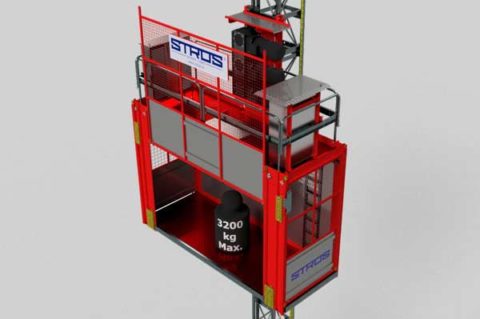
Rack-and-pinion systems are commonly selected for applications requiring stable vertical movement over long travel distances. These systems perform reliably where load control and positioning accuracy are important.
Traction drive systems may provide smoother movement and lower vibration levels during repetitive lifting operations. Engineering teams evaluate drive systems based on environmental conditions, lifting frequency, and long-term maintenance accessibility.
Enclosure Integrity and Spark Prevention
One of the most important features of hazardous lifting equipment is enclosure protection. Explosion-proof hoists use sealed electrical systems and ingress-protected components to help reduce the risk of ignition.
Flame path engineering is equally important. These designs help contain internal ignition events without allowing sparks or flames to escape into surrounding hazardous atmospheres.
Facilities evaluating hazardous lifting systems should work with experienced equipment specialists before finalizing system specifications. Early consultation helps ensure the equipment aligns with operational demands and plant classifications.
Implementing Safety Checks for Explosion-Proof Hoists
Preventive inspections are essential for maintaining hazardous area lifting systems in chemical plants.
Establishing Baseline Inspection Protocols
Industry standard inspection routines often include both frequent and periodic evaluations. Frequent inspections focus on visible operational concerns such as load chain wear, brake performance, vibration, and control responsiveness.
Periodic inspections involve more detailed assessments, including brake lining checks, enclosure verification, and electrical system evaluations. Proper documentation is especially important in regulated industrial environments.
Advanced Flame Path and Enclosure Audits
Inspection teams also verify flame path integrity, enclosure sealing surfaces, and containment hardware to confirm that hazardous protection features remain effective.
Preventive inspections are significantly more effective than reactive emergency repairs in chemical processing environments. Delayed maintenance can increase the risk of downtime and create avoidable compliance issues.
Integrating an Explosion-Proof Elevator with Plant Safety Systems
An explosion-proof elevator often functions as part of a larger plant safety infrastructure.
Many facilities integrate lifting systems with plant-wide emergency shutdown controls. During atmospheric anomalies or gas detection events, integrated systems may automatically isolate electrical functions or restrict equipment movement.
This coordinated response helps facilities manage emergency conditions more effectively while supporting safer operational procedures.
Securing Your Facility with Compliant Explosion-Proof Hoists
Selecting compliant lifting systems involves more than reviewing basic equipment specifications. Facilities must evaluate maintenance planning, engineering support, inspection requirements, and long-term operational demands.
Some facilities benefit from equipment ownership for continuous operations, while others may require rental solutions during shutdowns or temporary expansion projects. Lifecycle planning should include maintenance scheduling, technical support availability, and access to replacement components.
UCEL Inc provides project support, rental and sales options, and hazardous area lifting expertise for industrial operations across Ontario. Procurement teams seeking compliant explosion-proof hoists can benefit from early equipment assessments to help reduce installation conflicts and long-term operational risks.