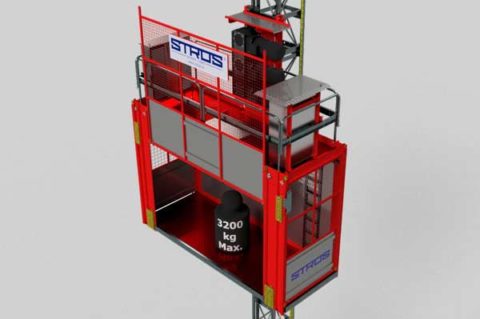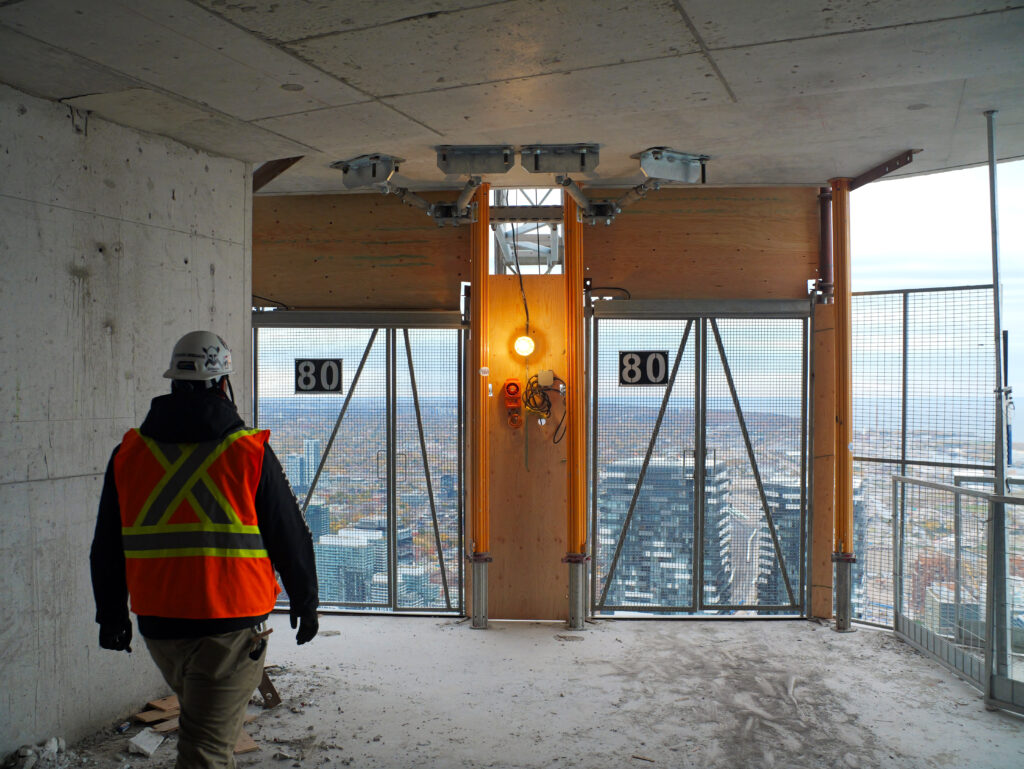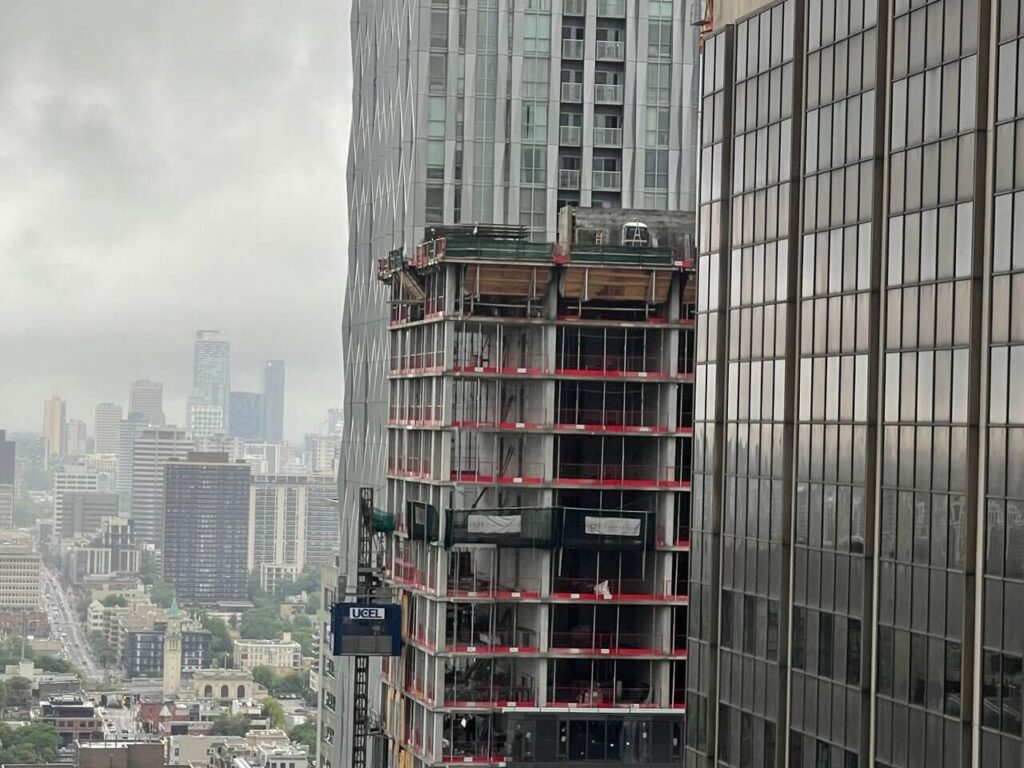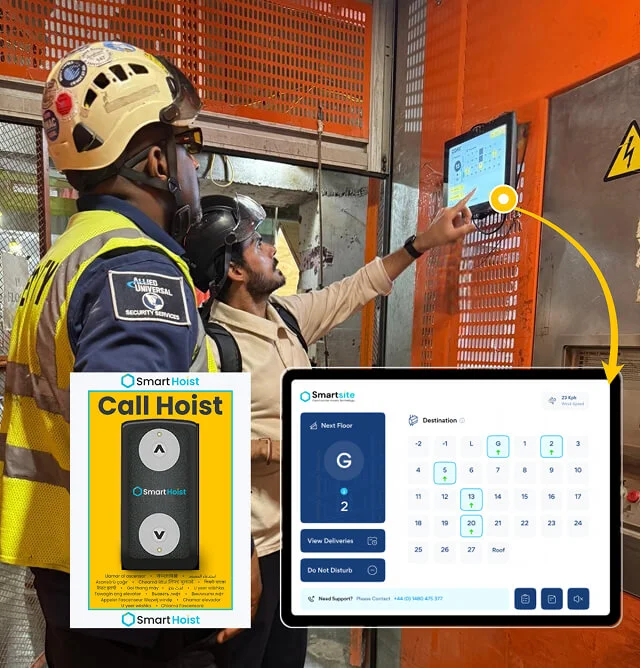
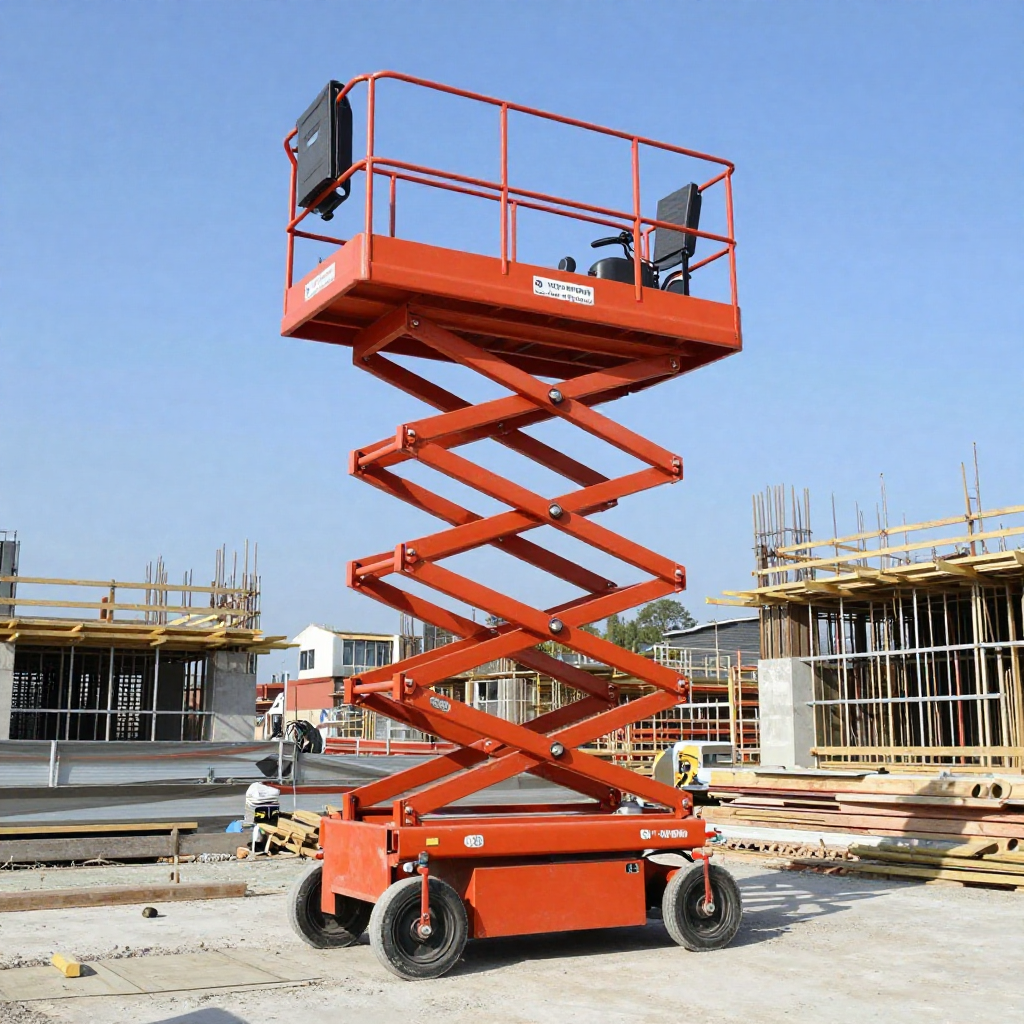
Regulatory compliance in industrial environments is often treated as a checklist activity. That assumption becomes risky when lifting systems are involved. Even a minor oversight in an industrial elevator lift can expose operations to serious consequences, especially as regulatory enforcement tightens across Canada and the USA.
Thank you for reading this post, don't forget to subscribe!As facilities scale and operational demands increase, compliance gaps tend to remain hidden until an incident or audit occurs. At that point, corrective action is no longer preventive. It becomes reactive, costly, and legally complex. Risks associated with industrial elevators do not remain contained. They escalate quickly across safety, financial, and operational dimensions.
People Also Ask
What are the risks of non-compliance in industrial elevator systems?
Non-compliance in industrial elevators can lead to fines, legal liability, operational shutdowns, and increased safety risks, especially during audits or incidents.
How often should industrial elevator lift systems be inspected?
Industrial elevator lift systems should undergo routine inspections and testing in accordance with regulatory standards, with proper documentation maintained to verify compliance.
Why Compliance in Industrial Lift Systems Cannot Be Overlooked
Compliance with industrial elevator regulations is not optional. It directly affects operational continuity and legal exposure. Lifting systems operate under high loads and strict regulatory frameworks. Any deviation from standards increases the likelihood of failure, inspection penalties, or shutdown orders. Facilities that delay compliance upgrades often face compounded risks when issues are identified during audits or after incidents.
Use of Non-Certified Industrial Elevators and Lifting Systems
The use of non-certified or outdated industrial elevator lift systems introduces immediate regulatory risk. Equipment that does not meet current standards may fail inspections or operate outside allowable safety limits. This creates liability exposure for facility owners and contractors. Non-compliant systems also limit insurability, increasing financial vulnerability in the event of accidents.
Improper Installation and Failure to Meet Code Requirements
Even certified industrial elevators can become non-compliant if installation does not meet code requirements. Improper alignment, structural anchoring issues, or incorrect electrical integration can lead to operational instability. These issues are often not visible during early operation but can trigger failures under load conditions. Once identified, remediation may require partial system replacement or extended downtime.
Lack of Routine Inspection, Testing, and Documentation
Routine inspection is a core compliance requirement for industrial elevator lift systems. Without documented testing and maintenance records, facilities cannot demonstrate compliance during audits. Missing documentation creates immediate red flags for regulators and insurers. It also increases the risk of undetected wear, which can lead to unexpected system failure.
Missing or Inadequate Safety Systems and Load Controls
Safety systems are integral to compliant industrial elevators. Load monitoring, emergency braking, and fail-safe mechanisms must function reliably under all conditions. Missing or poorly maintained safety components increase the probability of accidents. These failures often result in immediate operational shutdowns and trigger regulatory investigations that extend beyond the lifting system itself.
Consequences of Non-Compliance: Legal Liability, Fines, and Operational Downtime
Non-compliance in lifting systems leads to more than technical issues. Legal liability, financial penalties, and operational downtime often follow. Facilities operating non-compliant industrial elevator lift systems may face fines, project delays, or contract disputes. In severe cases, incidents involving lifting equipment can result in litigation, reputational damage, and long-term financial loss.
Compliance Is Critical to Protect Operations and Investment
Hidden compliance failures do not remain hidden for long. Once exposed, they create a chain reaction of operational disruption, legal risk, and financial strain. UCEL Inc. delivers engineered lifting solutions designed to meet regulatory standards from installation through operation. Addressing compliance early protects both infrastructure and investment. Delaying corrective action increases the likelihood of enforcement and costly remediation.
Avoid preventable risk exposure. Partner with UCEL Inc. to ensure lifting systems meet required standards and maintain safe, compliant performance across all phases of operation with reliable industrial lifts.