
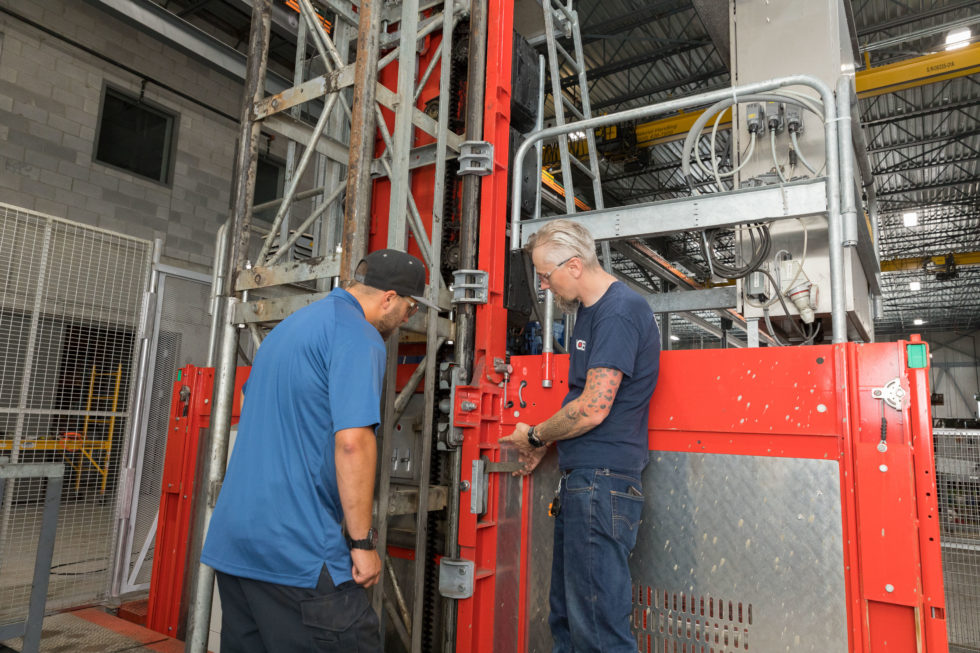
Navigating the choices of construction hoists can be complex. Whether you’re looking at construction hoist rentals or considering a purchase for long-term use, understanding when to rent vs when to buy is crucial for maximizing efficiency and cost-effectiveness.
The right approach depends on project duration, equipment utilization, budget, and long term operational plans. Understanding the advantages of each option helps teams choose a solution that supports productivity while managing costs effectively.
When Renting Construction Hoists Makes Sense
Rental solutions are often the preferred option for projects with defined timelines or changing equipment requirements.
Contractors working on a single project or temporary construction phase may benefit from avoiding the capital investment associated with purchasing equipment. Rental agreements also eliminate the need for long term storage after project completion.
Another advantage is maintenance support. Many rental programs include scheduled servicing, inspections, and technical assistance, allowing project teams to focus on construction activities rather than equipment management.
Rental solutions also provide flexibility when project requirements change. Larger or differently configured units can often be arranged as site conditions evolve.
When Purchasing a Construction Elevator Is the Better Choice
Purchasing a construction elevator is often appropriate for organizations that regularly manage multiple projects requiring vertical transportation.
Owning equipment gives contractors greater scheduling flexibility because the hoist is available whenever needed without depending on rental availability. Over time, frequent utilization may also improve the long term value of ownership.
Purchased equipment can also be customized to meet recurring operational requirements. Contractors with specialized applications or consistent project types often benefit from configuring equipment around their standard workflows.
However, ownership also brings responsibilities such as inspections, maintenance planning, storage, and lifecycle management.
Factors to Consider Before Making a Decision
Every project has different operational requirements. Before deciding whether to buy or rent, project teams should evaluate several important factors.
Project Duration
Short term projects often benefit from rental solutions, while long term or recurring projects may justify purchasing equipment.
Equipment Utilization
Organizations using construction hoists across multiple sites throughout the year may find ownership more practical than repeated rental agreements.
Budget Planning
Renting generally requires a lower upfront investment, while purchasing involves higher initial costs but may provide value over years of continuous use.
Maintenance Responsibilities
Rental providers typically manage routine servicing and repairs. Purchased equipment requires internal maintenance planning or external service contracts to maintain reliable operation.
The Importance of Planning Ahead
Whether renting or purchasing, early planning helps prevent project delays.
Equipment selection should consider building height, lifting capacity, available installation space, power requirements, and anticipated workforce demand. Coordinating these requirements before mobilization reduces the likelihood of installation conflicts or equipment changes during construction.
Working with experienced vertical access specialists also helps ensure the selected hoist elevator aligns with project objectives and site conditions.
Why Partnering With an Experienced Provider Matters
Choosing between rental and ownership is only part of the decision. Reliable technical support, equipment quality, and project planning expertise are equally important.
UCEL Inc has supported construction and industrial projects since 1963 by providing rental and sales solutions for a wide range of vertical access applications. Through partnerships with leading global manufacturers, the company supplies equipment designed to meet demanding project requirements while supporting safety and compliance objectives.
Project teams also benefit from site assessments, installation guidance, maintenance planning, and ongoing technical support throughout the project lifecycle.
Conclusion
Both rental and ownership offer distinct advantages depending on project requirements. Rental provides flexibility, reduced upfront costs, and maintenance support for temporary projects, while purchasing can offer long term value for contractors with ongoing equipment needs.
Evaluating project timelines, utilization, budget, and operational requirements helps determine the right solution. Whether your next project requires a rental or a permanent construction elevator, UCEL Inc can help identify the most suitable construction hoists and hoist elevator solution through expert consultation and project specific planning.